

GMC R1500 Engine Coolant Temperature Sensor: A Vehicle-Specific Guide for 1987
Fix poor idling and rich running conditions on your 1987 GMC R1500 by understanding and replacing the right temperature sensor.
- The ECT sensor for the computer is on the intake manifold; the sender for the gauge is on the cylinder head.
- A bad sensor typically causes stalling when the engine warms up and very poor fuel economy.
- Replacement is a very easy DIY job, requiring only basic tools and about 15-30 minutes.
- Look for OBD-I flash codes 14 or 15 if your Check Engine Light is on.
Is your 1987 GMC R1500 running rough?
If your classic square body truck is suddenly stalling after it warms up, getting terrible gas mileage, or has a Check Engine Light on, a faulty Engine Coolant Temperature (ECT) sensor could be the culprit. This small, inexpensive sensor plays a huge role in how the Throttle Body Injection (TBI) system functions. Replacing it is a simple job that can solve major drivability problems.
Symptoms of a Failing ECT Sensor
A bad ECT sensor often tricks the engine's computer into thinking the engine is always cold. This results in a fuel mixture that is too rich for a warm engine.
- Stalling When Warm: The engine runs fine when cold but begins to sputter, run rough, or stall as it reaches operating temperature.
- Poor Fuel Economy: The computer continuously dumps extra fuel, thinking the engine is cold, which drastically reduces your miles per gallon.
- Black Smoke or Fuel Smell: A rich-running engine may produce black smoke from the exhaust or a noticeable smell of unburnt gasoline.
- Check Engine Light: Your truck's OBD-I system may trigger a code. For the ECT sensor, this is typically Code 14 (high resistance) or Code 15 (low resistance).
- Hard Starting When Hot: The engine may be difficult to restart after it has been running for a while and is fully warmed up.
The Two Coolant Sensors
Your 1987 R1500 has two different sensors for coolant temperature. The one for the ECM, which affects engine performance, is located on the front of the intake manifold near the thermostat housing. The one for the dashboard temperature gauge is a single-wire sender located on the driver's side cylinder head between the spark plugs. Make sure you are replacing the correct one for your symptoms.
Choosing the Right Aftermarket Sensor
For a vehicle like the 1987 R1500, aftermarket sensors offer excellent value and performance. OEM parts can be hard to find and are not always necessary for a simple component like this. Here’s a breakdown of available brands:
- Premium Brands (Delphi, NGK): Delphi is a well-known original equipment supplier for GM, and their sensors are widely regarded as a top-quality choice. NGK (under the NTK brand) is another trusted name in engine management sensors. You can expect reliable, out-of-the-box performance from these brands.
- Professional-Grade Brands (Standard Motor Products): Standard Motor Products (SMP) is a long-standing, reputable aftermarket manufacturer. They offer quality parts that are often factory-tested and meet or exceed OE specifications. They sometimes provide kits that include a new electrical connector, which is a great value if your old one is brittle or broken.
- Standard/Value Brands (Four Seasons, Holstein, Motorad, True Tech): These brands provide functional replacements that meet the basic requirements for your truck. They are a cost-effective option for getting your vehicle back on the road.
- A Note on Beck Arnley: Beck Arnley is a parts reseller, not a manufacturer. This means the part in the box could be from a premium supplier like Denso, or it could be a lower-quality, unbranded part. While you can sometimes get a great deal on a re-boxed OEM part, the quality can be inconsistent.
Quick and Easy Installation
Replacing this sensor is a job most DIY mechanics can do in under 30 minutes. Let the engine cool completely. Locate the sensor on the intake manifold. Have your new sensor ready in your hand. Unplug the connector, use a 3/4" or 19mm deep socket to unscrew the old sensor, and quickly install the new one to minimize coolant loss. A little bit of coolant will spill, so have a rag handy.
Cost of a New Engine Coolant Temperature Sensor
| Part Type | Price Range |
|---|---|
| New Aftermarket | $12.58 - $37.74 |
| New OEM (ACDelco) | $25 - $50 |
| Shop Labor | $50 - $100 |
Frequently Asked Questions
Where is the ECT sensor located on my 1987 GMC R1500?
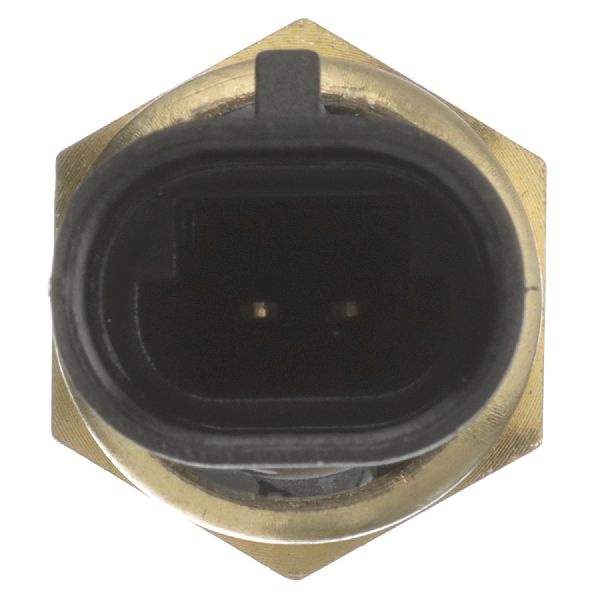
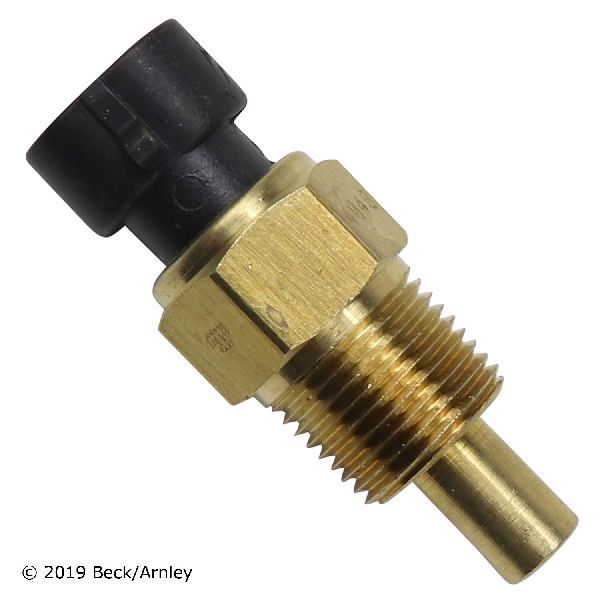
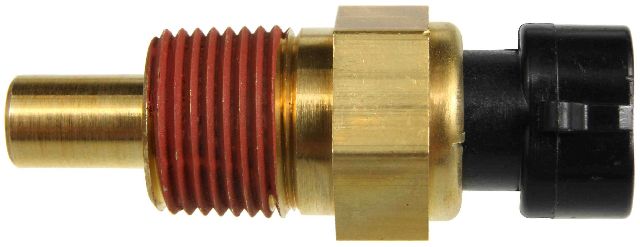
The Engine Coolant Temperature sensor that communicates with the ECM is located on the front of the intake manifold, usually right next to the thermostat housing. It has a two-wire electrical connector.
How do I check for codes on my 1987 truck?
Your truck has an OBD-I system. To read codes, locate the Assembly Line Diagnostic Link (ALDL) connector under the dashboard. Use a paperclip or jumper wire to connect terminals 'A' and 'B'. Turn the ignition to the 'On' position (without starting the engine), and the 'Check Engine' light will flash any stored codes. For example, a Code 14 will be one flash, a pause, then four flashes.
Will a bad ECT sensor prevent my truck from starting?
It's unlikely to cause a complete no-start condition when the engine is cold. However, it can cause a 'hot-soak' issue where the engine is very difficult to restart after it has been warmed up and shut off, due to flooding from a rich fuel mixture.
My temperature gauge doesn't work. Is this the right part to fix it?
No. The temperature gauge on your dashboard is operated by a separate, single-wire component called a coolant temperature *sender* or *sending unit*. This is typically located on the driver's side cylinder head. The ECT sensor discussed here only sends information to the engine computer.
Technical Specifications
OEM Part Numbers: 213-4514 10096181 12146312 15326386
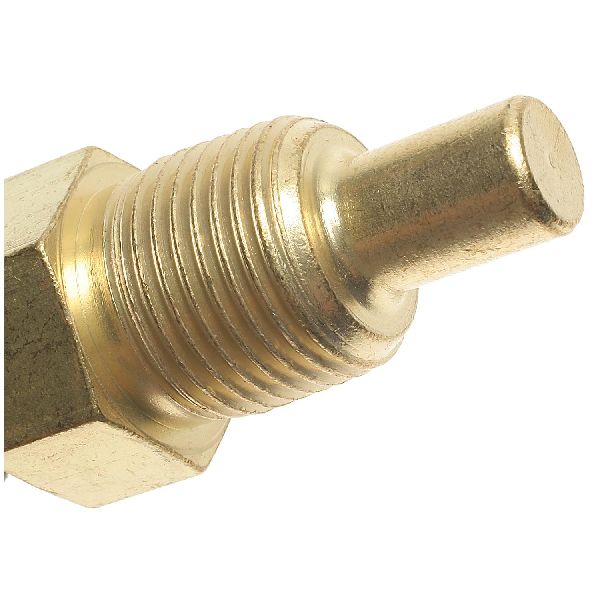
The sensor for the ECM is a two-wire thermistor located on the intake manifold, not to be confused with the single-wire sender for the gauge on the cylinder head. It has a 2-pin connector and typically a 3/8" - 18 NPTF thread size.
We Have This Part in Stock


The information in this article is provided for general reference and educational purposes only. Vehicle specifications, procedures, and part compatibility can vary by production date, trim level, and region. Always consult your vehicle's factory service manual and verify part numbers before purchasing or performing repairs. Safety-critical components such as airbags, seat belts, and braking systems should be installed by a qualified professional.
- GMC R1500: