

Choosing the Right Distributor Cap for Your 1987-1988 Chevrolet R20
A complete guide to fixing misfires and rough running in your classic Chevy truck with a new distributor cap.
- A bad distributor cap is a very common cause of misfires, rough idle, and hard starting on the 1987-1988 Chevrolet R20.
- Always choose a replacement cap with solid brass terminals for better performance and a longer lifespan.
- The distributor rotor should always be replaced at the same time as the cap; they are typically sold as a kit.
- Carefully label your spark plug wires before removal to ensure the firing order remains correct when installing the new cap.
Is Your R20 Running Rough? It Could Be the Distributor Cap.
If your 1987-1988 Chevrolet R20 is experiencing engine misfires, a rough idle, or has trouble starting, a worn-out distributor cap is a likely suspect. This part is a normal wear-and-tear item that plays a critical role in your truck's ignition system. Over time, the metal terminals inside the cap corrode or wear down, and the plastic can crack, leading to poor engine performance. Because this is a common issue on older GM trucks, inspecting the distributor cap and rotor is a great first step in troubleshooting these symptoms.
Symptoms of a Failing Distributor Cap
A bad distributor cap can cause a variety of problems. You might notice one or more of these signs:
- Engine Misfires: The engine may shake or stumble, especially under acceleration. This happens when spark fails to reach a cylinder correctly.
- Rough Idle: The truck may idle unevenly or feel like it's about to stall when stopped.
- Hard Starting: It might take longer than usual for the engine to turn over and start.
- Stalling: The engine may stall unexpectedly, sometimes after running for a while.
- Check Engine Light: On some models, a persistent misfire can trigger the check engine light.
Visual Inspection is Key
You can often diagnose a bad cap visually. Unlatch the two clips or remove the screws holding the cap to the distributor. Look inside for white or greenish corrosion on the metal terminals, cracks in the plastic, or thin black lines that look like pencil marks (this is called carbon tracking). If you see any of these, the cap needs to be replaced.
Choosing the Right Aftermarket Distributor Cap
For a vehicle like the '87-'88 R20, aftermarket parts offer excellent value. The key difference between a basic and a premium cap is the material used for the electrical contacts.
Pro Tip: Always choose a distributor cap with solid brass terminals. Brass offers better conductivity and corrosion resistance than the aluminum terminals found in many cheaper caps, leading to a stronger spark and longer part life.
Here’s a breakdown of the available brands:
- Premium / Performance (MSD): MSD is a top name in performance ignition systems. Their caps are made from high-quality materials to prevent voltage leaks and use brass terminals. While more expensive, they are an excellent choice if you are running a high-output ignition or simply want the best durability.
- OEM-Quality Aftermarket (Delphi, Standard Ignition): Delphi was an original equipment manufacturer for GM, and their parts are known for reliable, stock-level performance. Standard Motor Products (SMP) is a highly respected aftermarket brand; their "Blue Streak" line is a premium option often featuring brass terminals. Both are solid choices for a dependable, long-lasting repair.
- Standard / Economy (Walker Products): Walker is known for producing parts that meet OEM specifications and can be a good budget-friendly choice. However, for critical ignition components, carefully check that the cap features brass terminals for the best results.
Estimated Cost for a New Distributor Cap
Replacing the distributor cap is an affordable and effective tune-up item. You should always replace the distributor rotor at the same time, and they are often sold together in a kit.
| Part Type | Typical Price Range |
|---|---|
| New Aftermarket Distributor Cap & Rotor Kit | $15 - $45 |
| Shop Labor for Installation | $50 - $100 |
Frequently Asked Questions
Do I need special tools to replace the distributor cap?
No. A Phillips or flathead screwdriver is usually all that is needed to release the two hold-down screws. The cap is designed for easy access as part of regular maintenance.
Why should I replace the rotor with the cap?
The rotor is the spinning component inside the cap that distributes the spark. It wears out at the same rate as the cap terminals. Replacing both at the same time is critical for a complete and effective ignition tune-up.
How do I avoid mixing up the spark plug wires?
This is the most important step. If you mix up the wires, the engine's firing order will be wrong and it won't run. The best method is to use a piece of masking tape and a pen to label each spark plug wire with its cylinder number before you remove it from the old cap. Alternatively, you can move the wires one by one from the old cap to the exact same position on the new cap.
Are there any recalls or TSBs for this part?
No. There are no official recalls or Technical Service Bulletins (TSBs) from Chevrolet or the NHTSA for the distributor cap on the 1987-1988 R20. Failures are related to normal wear and age.
Technical Specifications
OEM Part Numbers: D328A
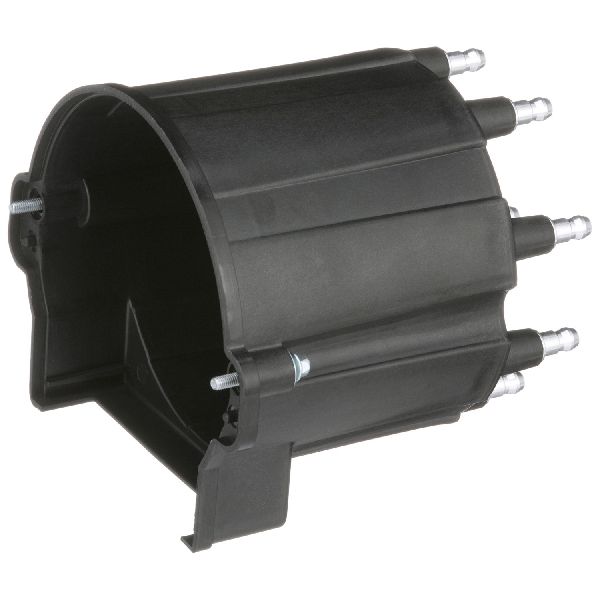
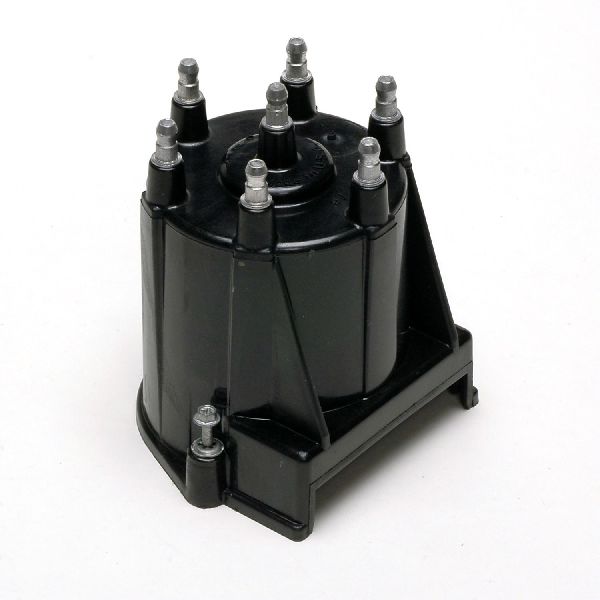
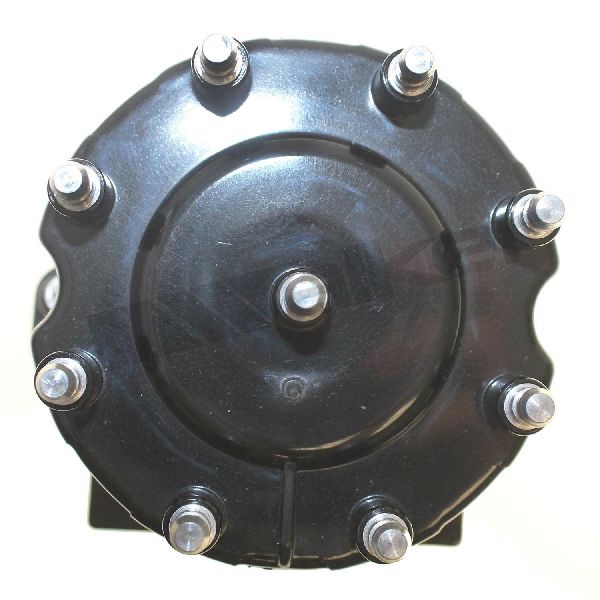
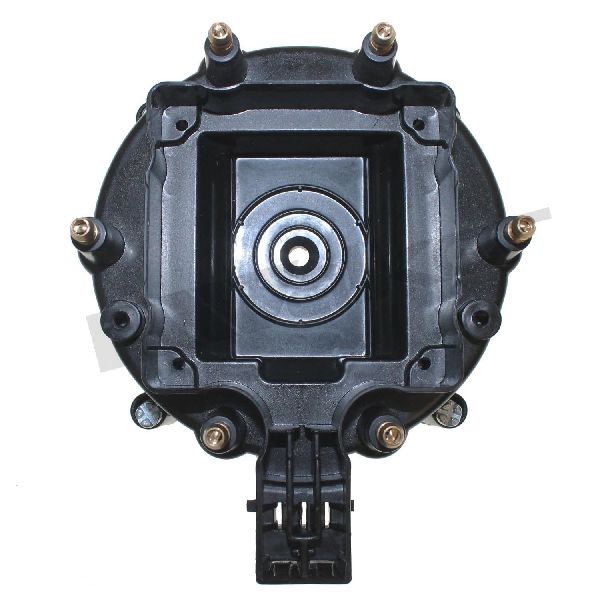
The 1987-1988 Chevrolet R20 uses a large-diameter, male HEI (High Energy Ignition) style distributor cap with an integrated ignition coil cover. Terminals can be aluminum (standard) or brass (premium).
We Have This Part in Stock


The information in this article is provided for general reference and educational purposes only. Vehicle specifications, procedures, and part compatibility can vary by production date, trim level, and region. Always consult your vehicle's factory service manual and verify part numbers before purchasing or performing repairs. Safety-critical components such as airbags, seat belts, and braking systems should be installed by a qualified professional.
- Chevrolet R20: