

Spark Plug Guide for the 1987-1988 Chevrolet R20
Get your classic Chevy R20 running smoothly with the right set of new spark plugs.
- For the TBI engines in these trucks, standard copper spark plugs from AC-Delco (OEM) or NGK are the most recommended choice.
- Always check and set the spark plug gap to 0.035 inches before installation, even if the plugs are pre-gapped.
- Replacing spark plugs is an easy, low-cost maintenance item that can significantly improve engine performance and reliability.
- Avoid using expensive platinum or iridium plugs, as they offer little benefit for this specific ignition system and may cause running issues.
Symptoms of Failing Spark Plugs
Worn-out or fouled spark plugs can cause noticeable engine problems. Because these trucks have a simple distributor-based ignition system, they are very sensitive to spark plug condition. You might notice one or more of these signs when it's time for a change.
- Rough Idle: The engine may shake or vibrate more than usual when stopped.
- Engine Misfires: You may feel a hesitation or stumble from the engine during acceleration, sometimes accompanied by a popping sound.
- Poor Acceleration: The truck may feel sluggish or slow to respond when you press the gas pedal.
- Reduced Fuel Economy: Inefficient combustion from bad plugs means you'll be stopping for gas more often.
- Difficulty Starting: The engine may crank for a long time before it starts, or it may not start at all.
Choosing the Right Aftermarket Spark Plug
For the 1987-1988 R20 and its TBI engine, newer doesn't always mean better. The ignition system was designed for standard copper-core spark plugs. While expensive iridium or platinum plugs last longer, they often don't provide a performance benefit on these engines and can sometimes cause issues. Given how easy these plugs are to change, sticking with the original style is a reliable and cost-effective choice.
Brand Tiers for Your R20
Tier 1: OEM-Equivalent (Highly Recommended)
These brands provide the performance and reliability your truck's engine was designed for. They are the safe, correct choice for a stock or lightly modified R20.
- AC-Delco: As the original equipment manufacturer for GM, AC-Delco is the benchmark. The standard copper resistor plug (part number CR43TS for the 5.7L V8) is the most recommended option in owner forums.
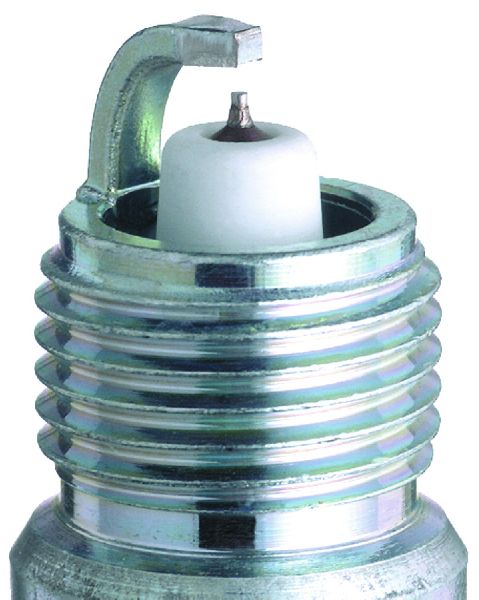
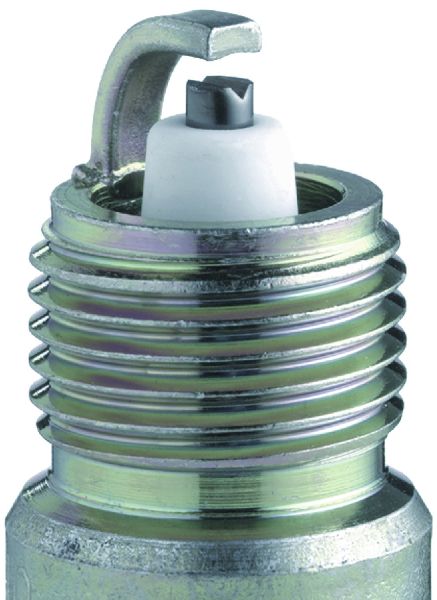
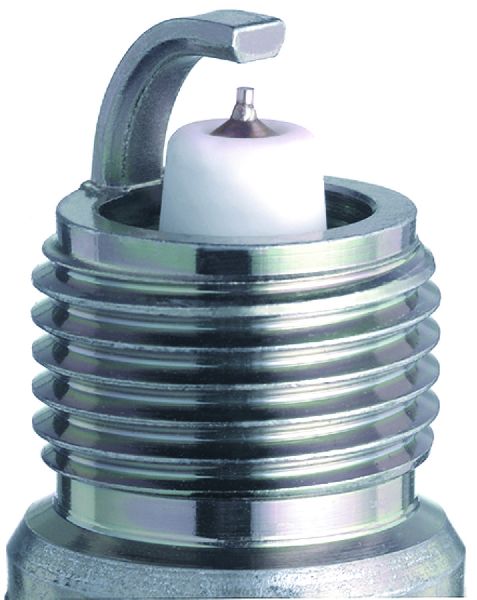
- NGK: A top-tier Japanese brand known for excellent quality control. Many consider NGK plugs to be equal to or better than modern AC-Delco plugs. The NGK V-Power (part #2771) is a direct copper alternative to the factory plug.
Pro Tip: For the TBI ignition system, a fresh set of affordable copper plugs changed regularly will often perform better than expensive, long-life plugs that are left in too long.
Tier 2: Standard Aftermarket
These brands offer a good balance of price and quality for daily driving.
- Autolite: A well-known American brand offering reliable copper and platinum plugs that meet OEM specifications. They are a common and affordable choice.
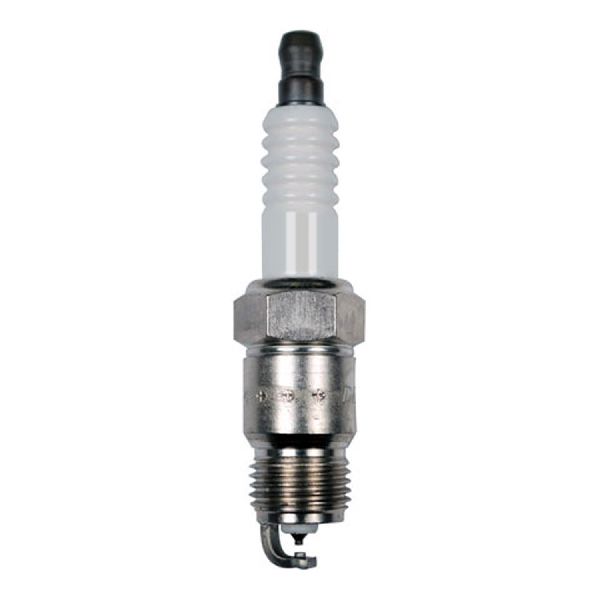
- Denso: Another major OEM supplier from Japan, Denso produces high-quality standard and performance plugs.
Tier 3: Performance & Specialty
These brands are geared towards modified engines. For a stock R20, they are generally not necessary.
- MSD & Accel: Known for performance ignition systems, these brands offer spark plugs designed to work with their high-output components.
A Note on Platinum and Iridium Plugs
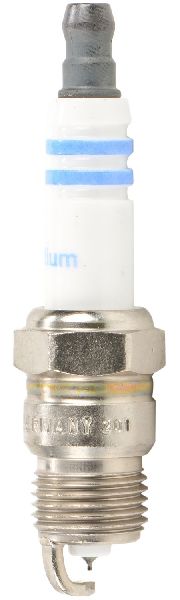
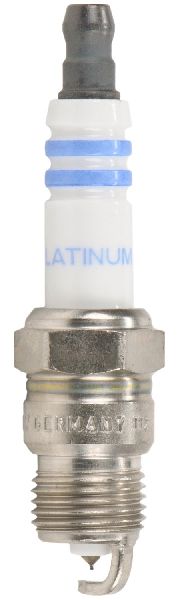
While modern engines require precious-metal plugs for longevity, the ignition system in the '87-'88 R20 was not designed for them. Some owners report that certain types, particularly Bosch platinum plugs, can cause a rough idle or misfires in TBI engines. It's best to stick with the recommended copper core plugs unless you have a specific, modified application.
Cost of New Spark Plugs (1987-1988 Chevrolet R20)
| Category | Price Range (Per Plug) | Notes |
|---|---|---|
| Standard Copper (Recommended) | $3.53 - $8.00 | Best choice for stock TBI engines (AC-Delco, NGK, Autolite). |
| Platinum | $5.00 - $20.00 | Longer life, but may not offer performance gains. |
| Iridium / Performance | $9.00 - $96.59 | For high-performance or modified engines. Overkill for most R20s. |
Frequently Asked Questions
What is the correct spark plug gap for my R20?
For gasoline V8 engines like the 5.7L (350) and 7.4L (454), the most commonly recommended spark plug gap is 0.035 inches. Even if plugs are advertised as "pre-gapped," you should always verify the gap with a feeler gauge or gapping tool before installation.
How often should I replace the spark plugs?
With standard copper plugs, a good interval is every 25,000 to 30,000 miles or every two to three years. Since the job is easy and the parts are inexpensive, frequent changes will keep your engine running at its best.
Should I use anti-seize on the threads?
This is a topic of debate. Some plug manufacturers, like NGK, advise against it because their plugs have a special plating that prevents seizing. Applying anti-seize can act as a lubricant, causing you to over-torque the plug and potentially damage the cylinder head. If you do use it, apply only a very small amount to the threads, avoiding the electrode, and reduce the manufacturer's torque specification.
What about dielectric grease?
Yes, applying a small amount of dielectric grease to the inside of the spark plug wire boot is recommended. It helps seal out moisture, prevents corrosion, and makes it easier to remove the wires in the future.
Are there any recalls for the spark plugs on my truck?
No, a search of the National Highway Traffic Safety Administration (NHTSA) database shows no recalls or technical service bulletins (TSBs) related to spark plugs for the 1987-1988 Chevrolet R20.
Technical Specifications
OEM Part Numbers: CR43TS
<ul><li><strong>Recommended Plug Type:</strong> Copper Core Resistor</li><li><strong>Recommended Gap:</strong> 0.035" (0.889mm)</li><li><strong>Hex Size:</strong> 5/8"</li><li><strong>Seat Type:</strong> Tapered</li></ul>
We Have This Part in Stock

The information in this article is provided for general reference and educational purposes only. Vehicle specifications, procedures, and part compatibility can vary by production date, trim level, and region. Always consult your vehicle's factory service manual and verify part numbers before purchasing or performing repairs. Safety-critical components such as airbags, seat belts, and braking systems should be installed by a qualified professional.
- Chevrolet R20: