

1987-1988 GMC R2500 Engine Coolant Bypass Hose Replacement Guide
Everything you need to know about replacing the engine coolant bypass hose on your classic GMC R2500 truck.
- A failing bypass hose will cause a coolant leak, a sweet smell, or engine overheating; do not drive if the engine is overheating.
- You must use a quality, pre-molded aftermarket hose from a brand like Gates or Dayco for a proper fit; do not use straight hose.
- This is a very DIY-friendly repair that most owners can complete with basic tools.
- After replacing the hose, you must bleed the air from the cooling system to prevent overheating.
Is Your Engine Coolant Bypass Hose Failing?
On a workhorse truck like the GMC R2500, the cooling system works hard. After decades of heat cycles, the rubber on the coolant bypass hose can break down and fail. Ignoring the signs can lead to your engine overheating and causing serious, expensive damage. Look for these common symptoms.
Warning: Do Not Ignore Leaks
A small coolant drip can quickly turn into a major spray, leaving you stranded with an overheated engine. Address any coolant leak, no matter how small, as soon as you notice it to prevent catastrophic engine damage.
Choosing the Right Aftermarket Bypass Hose
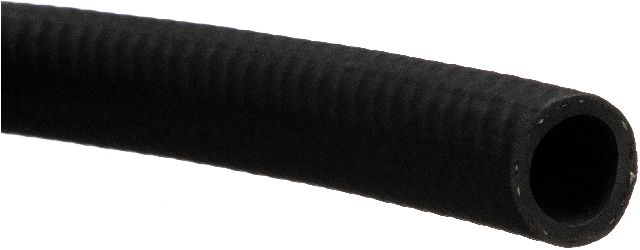
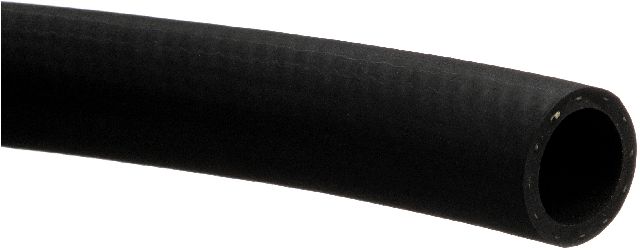
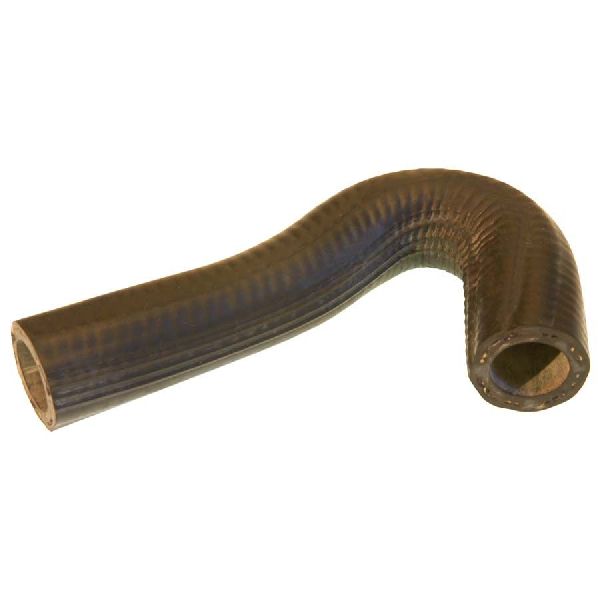
For a truck from this era, you don't need to hunt down an original GM part. Modern aftermarket hoses from reputable brands are often made with better materials than what was available in the 1980s. The most important factor is getting the correct molded hose. Do not use a straight piece of bulk hose, as it can kink and block coolant flow, causing the exact overheating problem you're trying to fix.
Brand Tiers
- Gates: Often seen as a top-tier aftermarket brand, Gates hoses are known for their excellent, OE-like fit and durable materials. They are engineered to resist electrochemical degradation, which is a common cause of hose failure from the inside out.
- Dayco: Dayco is another well-respected brand that produces quality hoses. Some mechanics note that Dayco hoses can feel thicker, while others have found fitment to be an issue on rare occasions. However, for most applications, they are a reliable and cost-effective choice.
When you get your new hose, compare it directly to the old one before you install it. Make sure all the bends and angles match up perfectly to ensure a kink-free installation.
Typical Replacement Costs
Replacing a bypass hose is one of the more affordable cooling system repairs. The part itself is not expensive, and labor is minimal for a professional mechanic. Many owners with basic tools can also do this job at home in about an hour.
| Part or Service | Estimated Cost |
|---|---|
| New Aftermarket Hose | $23 - $94 |
| Shop Labor | $100 - $200 |
| Total Professional Replacement | $123 - $294 |
Frequently Asked Questions (FAQ)
Can I replace the coolant bypass hose myself?
Yes, this is a great DIY job for someone with basic mechanic's tools. The process involves draining some coolant, removing the old hose clamps, wrestling the old hose off the fittings, and installing the new part. The most critical final step is to properly refill and "burp" the cooling system to remove any trapped air that could cause overheating.
What kind of coolant should I use in my 1987-1988 R2500?
For these older GM trucks, you should use a conventional green IAT (Inorganic Additive Technology) antifreeze. Always mix it 50/50 with distilled water, not tap water. Check your owner's manual to confirm the correct type for your specific engine.
If the bypass hose failed, should I replace other hoses too?
Yes. If one rubber hose has failed due to age, it's very likely that the main radiator hoses and heater hoses are also near the end of their life. It is highly recommended to replace all of them at the same time to prevent another breakdown in the near future. Don't forget to get new hose clamps as well.
Are there any recalls for this part?
No, searches of the National Highway Traffic Safety Administration (NHTSA) database show no recalls or technical service bulletins (TSBs) specifically for the engine coolant bypass hose on the 1987-1988 GMC R2500. Failures are typically due to normal wear and tear over time.
Technical Specifications
The bypass hose for this application is a molded EPDM rubber hose. Depending on the specific engine (4.3L, 5.0L, 5.7L, 6.2L, 7.4L), the inside diameter of the ends will typically be between 1/2 inch and 3/4 inch.
We Have This Part in Stock

The information in this article is provided for general reference and educational purposes only. Vehicle specifications, procedures, and part compatibility can vary by production date, trim level, and region. Always consult your vehicle's factory service manual and verify part numbers before purchasing or performing repairs. Safety-critical components such as airbags, seat belts, and braking systems should be installed by a qualified professional.
- GMC R2500: