

1987-1991 BMW 325i Ignition Coil Replacement and Diagnosis Guide
Keep your classic E30 running smoothly by understanding the signs of a failing ignition coil and how to replace it.
- A failing ignition coil on an E30 325i will cause symptoms like misfires, stalling, or a no-start condition.
- Replacement is a simple, beginner-friendly DIY job that takes less than 30 minutes.
- There are no specific recalls or TSBs for the ignition coil on this model; failures are due to age.
- Quality aftermarket brands like Standard Ignition are a reliable and cost-effective alternative to OEM Bosch parts for this vehicle.
Understanding Ignition Coil Failure in Your E30 325i
The ignition coil is a durable component, but it can fail over time due to age, heat, and vibration. For the 1987-1991 BMW 325i, which uses a single, canister-style coil, a failure will affect the entire engine. Recognizing the symptoms early can prevent you from being stranded and can help avoid damage to other ignition components.
Symptoms of a Bad Ignition Coil
A failing ignition coil on your 325i will usually produce noticeable symptoms. Because it's a single point of failure for the entire ignition system, the signs are often immediate and hard to ignore.
- Engine Misfires or Rough Idle: This is one of the most common signs. The engine may sputter, shake, or vibrate heavily, especially when stopped.
- Difficulty Starting or No Start: A weak or dead coil won't provide enough voltage to create a spark, making the engine hard to start or preventing it from starting at all.
- Stalling: The engine may unexpectedly shut off while driving or idling.
- Reduced Power and Fuel Economy: Your car may feel sluggish and less powerful. A faulty coil can lead to incomplete fuel combustion, forcing your engine to use more fuel than normal.
- Check Engine Light: A misfire caused by a bad coil can trigger the check engine light.
Known Issues and Recalls
Searches for official recalls or Technical Service Bulletins (TSBs) from the NHTSA or BMW specifically for the ignition coil on the 1987-1991 E30 325i did not yield any results. While newer BMW models have had recalls and service actions related to ignition coils, this specific classic model does not have any active campaigns. Failures are typically due to the age and wear of the original part.
Choosing an Aftermarket Ignition Coil
For a classic vehicle like the E30 325i, both OEM and aftermarket parts are available. The original coil was likely made by Bosch.
- OEM (Bosch): Generally considered the benchmark for quality and reliability. If you want to maintain originality and ensure factory performance, an OEM Bosch coil is a strong choice.
- Aftermarket (Standard Ignition): Reputable aftermarket brands like Standard Motor Products offer a cost-effective alternative. These parts are designed to meet or exceed OEM specifications and are a reliable option for daily drivers and restoration projects. For the E30, a quality aftermarket coil is a perfectly acceptable replacement that provides good performance and value.
Pro Tip: While replacing the ignition coil, it's a good time to inspect other ignition components like the distributor cap, rotor, and spark plug wires. These parts wear together and replacing them at the same time can restore engine performance and prevent future issues.
Cost of Replacing a 1987-1991 BMW 325i Ignition Coil
| Part Type | Estimated Cost |
|---|---|
| New Aftermarket (e.g., Standard Ignition) | $47 - $72 |
| New OEM (e.g., Bosch) | $71 - $83 |
| Shop Labor | $50 - $100 |
Frequently Asked Questions (FAQ)
Where is the ignition coil located on my 1987-1991 325i?
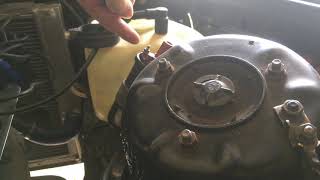
The ignition coil is a canister-shaped component located in the engine bay, typically mounted on one of the inner fenders or near the firewall. It has a large central wire (the "King Post") leading to the distributor cap and two smaller electrical connectors.
Is replacing the ignition coil a difficult DIY job?
No, this is a very straightforward job for a DIYer. It involves disconnecting the battery, unplugging the two small electrical connectors, removing the main high-tension lead, and unbolting the coil from its bracket. The entire process usually takes less than 30 minutes with basic hand tools.
How can I test my ignition coil?
You can test the coil with a multimeter. You'll measure the resistance between the two small primary terminals (terminals 1 and 15) and between the negative primary terminal and the large central secondary terminal. The primary resistance should be very low (around 0.5 Ohms), while the secondary resistance should be in the thousands of Ohms (e.g., 5000-8000 Ohms). A reading that is significantly off or shows an open circuit indicates a bad coil.
Should I replace my spark plugs and wires with the coil?
It is highly recommended. A new, strong coil will send more voltage through the system, which can cause old or worn spark plugs and wires to fail. Replacing all related ignition components at once is good preventative maintenance and ensures the entire system is healthy.
Helpful Videos


Technical Specifications
OEM Part Numbers: 12131286087 12131273216
Canister-style, oil-filled, bolt-on ignition coil with two screw-type primary terminals.
We Have This Part in Stock


The information in this article is provided for general reference and educational purposes only. Vehicle specifications, procedures, and part compatibility can vary by production date, trim level, and region. Always consult your vehicle's factory service manual and verify part numbers before purchasing or performing repairs. Safety-critical components such as airbags, seat belts, and braking systems should be installed by a qualified professional.
- BMW 325i: