

Guide to Replacing the Starter Motor on a 1987-1991 GMC V3500
Get your heavy-duty GMC V3500 turning over reliably again by understanding its starter system and choosing the right replacement part.
- Common failure symptoms include clicking, slow cranking, grinding, or a no-crank condition.
- These trucks can suffer from starter 'heat soak,' where a hot engine prevents the starter from working. A high-torque starter is a common fix.
- Replacement is a DIY-friendly job, typically requiring only basic hand tools and about 1-2 hours.
- Before replacing the starter, always verify the battery is fully charged and its connections are clean and tight.
Is Your Starter Failing? Common Symptoms in a GMC V3500
A failing starter rarely dies without warning. For a heavy-duty truck like the V3500, paying attention to these signs can prevent you from being stranded.
- Clicking Sounds: A single, loud click when you turn the key often points to a bad starter solenoid or relay. A series of rapid clicks, however, usually means the battery is too weak to power the starter.
- Slow Engine Crank: If the engine turns over sluggishly, like the battery is weak, but the battery is good, the starter motor itself may be wearing out and drawing too much power.
- Grinding Noise: A grinding sound during or after the engine starts can mean the starter gear is not meshing correctly with the flywheel or is failing to retract. This could be caused by damaged teeth on the starter or flywheel.
- No-Crank, No-Start: You turn the key, the dashboard lights come on, but nothing happens. If the battery is charged and you don't hear a click, the starter may have completely failed.
- Smoke: Smoke coming from under the vehicle can indicate an overheated starter. This can happen from trying to crank the engine too many times with a failing starter, causing electrical components to burn.
Known Issue: Starter Heat Soak
A common issue on older GM trucks, especially those with large V8 engines and tight engine bays, is "heat soak." This happens when heat from the exhaust manifold radiates onto the starter and its solenoid after the engine is shut off. This added heat increases electrical resistance, preventing the starter from getting enough power to crank the hot engine. You might find the truck starts fine when cold but won't crank after a hot run until it cools down for 15-30 minutes. Upgrading to a high-torque mini-starter or installing a heat shield can often solve this problem.
Choosing the Right Aftermarket Starter
For a vehicle from this era, new OEM starters are often unavailable. Aftermarket parts are the go-to solution and can offer significant advantages over the original design.
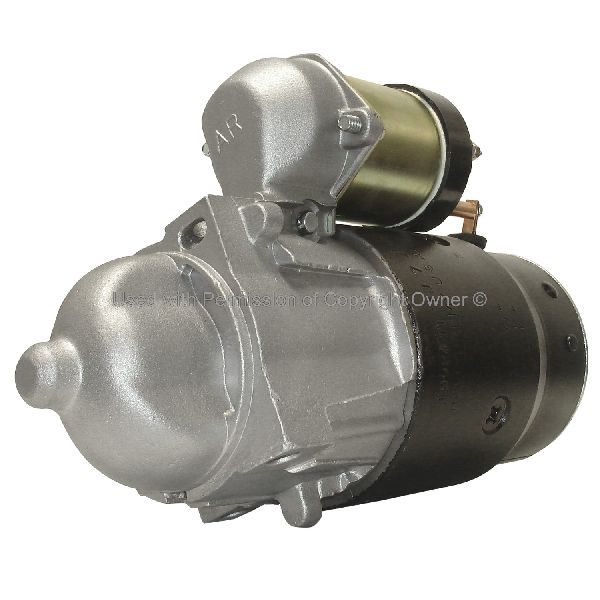
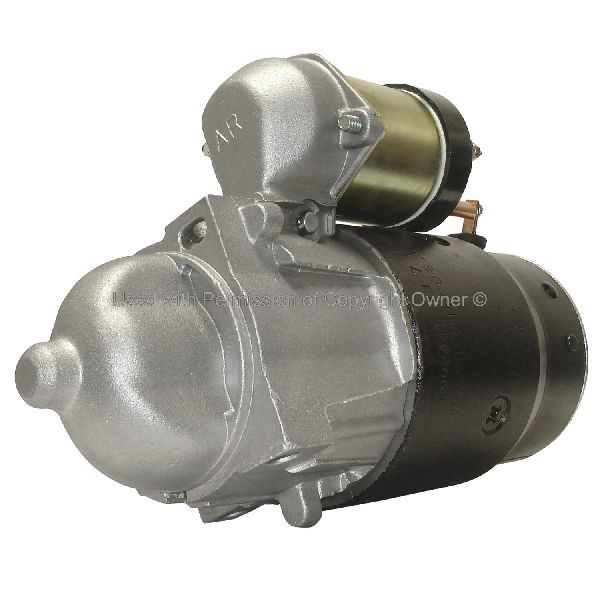
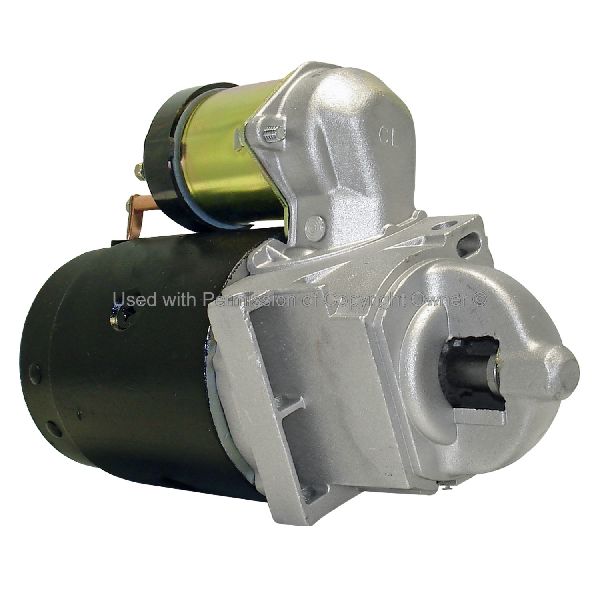
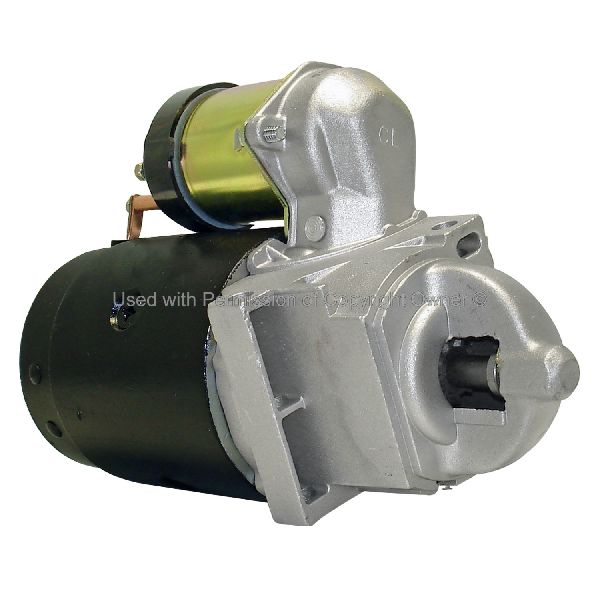
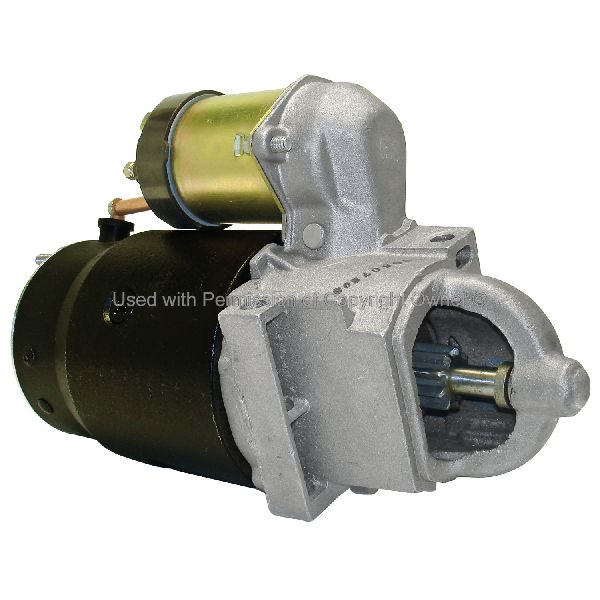
Standard Replacement Starters (MPA): For a stock V3500 used for regular duty, a standard replacement starter, like those from MPA (Motorcar Parts of America), is a cost-effective choice. These are built to meet or exceed original factory specifications and provide reliable performance for daily use. They are a direct-fit replacement, making installation straightforward.
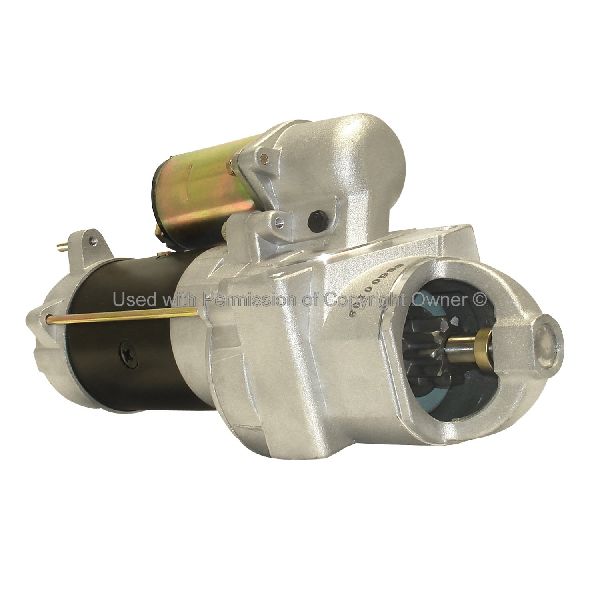
High-Torque & Performance Starters (Powermaster, Proform): If you have modified your engine, have a high-compression big-block, or are experiencing heat soak issues, a high-torque starter is a smart upgrade.
- Powermaster: Often considered a premium choice, Powermaster starters provide powerful cranking for high-compression engines and are a popular solution for heat soak. They feature gear reduction for more torque and are often smaller and lighter than the original, which can improve clearance around exhaust headers.
- Proform: Similar to Powermaster, Proform offers high-torque, gear-reduction starters that are a good upgrade for performance applications or to solve starting issues.
Pro Tip: When installing a high-torque starter like a Powermaster, consider upgrading the main power cable from the battery to the starter. A thicker gauge wire ensures the powerful new starter gets all the amperage it needs to perform its best.
Cost of Replacing a GMC V3500 Starter
| Part Category | Estimated Cost |
|---|---|
| New Aftermarket Starter | $87 - $434 |
| Shop Labor | $100 - $250 |
| Total Estimated Cost | $187 - $684 |
Costs are estimates and can vary based on your location, the specific product chosen, and your vehicle's condition.
Frequently Asked Questions
Is it hard to replace the starter on a 1987-1991 V3500?
No, it's generally considered a straightforward job for someone with basic mechanical skills. Access is typically good on these trucks. The process involves disconnecting the battery, raising the vehicle, removing the electrical connections and two mounting bolts, and then swapping the starter. The main challenges are the weight of the old starter and working underneath the truck safely.
Do I need to shim my new starter?
Maybe. Some GM starters require shims to create the proper distance between the starter gear and the flywheel. An incorrect gap can cause grinding noises or damage to both parts. Check the instructions with your new starter; some modern designs do not require shims.
Could my starting problem be the battery and not the starter?
Yes, absolutely. A weak or dead battery is the most common cause of starting issues. Before replacing the starter, ensure your battery is fully charged and have it load-tested at an auto parts store. Also, clean any corrosion from the battery terminals and check that the cable connections are tight.
Have there been any recalls or TSBs for the starter on this truck?
No specific recalls were found for the starter motor on the 1987-1991 GMC V3500. While GM has issued technical service bulletins (TSBs) for starter-related noises on other, much newer vehicles, none were found that specifically apply to this generation of V3500.
Technical Specifications
The 1987-1991 GMC V3500 uses a starter with a block-mounted solenoid. Aftermarket options include standard direct-drive replacements and high-torque, gear-reduction mini-starters. High-torque models are recommended for engines with high compression or to combat heat soak issues. Some starters may require shims for proper alignment with the flywheel.
We Have This Part in Stock

The information in this article is provided for general reference and educational purposes only. Vehicle specifications, procedures, and part compatibility can vary by production date, trim level, and region. Always consult your vehicle's factory service manual and verify part numbers before purchasing or performing repairs. Safety-critical components such as airbags, seat belts, and braking systems should be installed by a qualified professional.
- GMC V3500: