

Chevrolet Blazer Engine Oil Pressure Switch and Sender Guide (1987-1992)
Understanding the oil pressure sending unit is key to keeping your Blazer's engine safe and the gauge reading correctly.
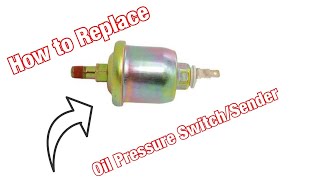
- Confirm if you need a 'sending unit' for a gauge or a 'switch' for a light.
- A bad sender is the most common cause of incorrect oil pressure gauge readings; don't panic unless you also hear engine noise.
- The sender is often located in a tight spot behind the distributor; a special socket makes the job much easier.
- For reliability, choosing a premium aftermarket brand like Standard Ignition or Rostra is a wise investment over budget options.
Is It a Switch or a Sending Unit?
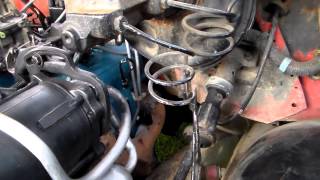
It is important to know what you are ordering for your 1987-1992 Blazer. If your dashboard has a needle that shows the oil pressure, you need an oil pressure sending unit. This part sends a variable signal to move the gauge. If you only have a warning light, you need an oil pressure switch. For most Blazers of this era with full gauges, you need the sending unit. Some models, particularly those with Throttle Body Injection (TBI), may have both: a sending unit for the gauge and a separate switch for the fuel pump circuit. 🎬 Watch this walkthrough for replacing the unit on TBI models. Always check what your specific truck has before ordering.
Common Symptoms of a Failing Oil Pressure Sender
A bad oil pressure sending unit can be alarming, but it often isn't a sign of a serious engine problem. The sender itself is a common failure point. Here are the most frequent symptoms:
- Gauge Reads Zero or Maxed Out: The most common sign is the oil pressure gauge suddenly reading zero or pegging all the way to the maximum. If the engine sounds normal with no new noises, the sender is the likely culprit.
- Erratic Gauge Readings: The needle may jump around randomly, or fluctuate wildly as you drive. This can be caused by a failing sender or a poor electrical connection to it.
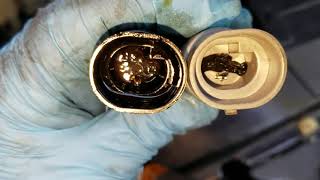
- Oil Leak: The sender itself can develop a leak. Oil may seep from the plastic housing or the electrical connector. This is a common reason for replacement.
Important: Verify Actual Oil Pressure
If your gauge shows low or zero oil pressure and you hear new engine noises like tapping or knocking, stop the engine immediately. This could be a real loss of oil pressure, which is a critical engine emergency. A faulty sender will not cause engine noise. A mechanic can test the true oil pressure with a mechanical gauge to confirm if the problem is the sender or the engine itself.
Choosing the Right Aftermarket Part
For a vehicle like the 1987-1992 Blazer, aftermarket parts are widely available. Quality can vary, so it's helpful to understand the different tiers of brands.
- Standard Ignition (Standard Motor Products): Often considered a top-tier aftermarket brand. They have been making electrical components for a long time and are known for good quality control and engineering. Their parts are a reliable choice that often meets or exceeds original specifications.
- Rostra Powertrain: Rostra is a well-regarded manufacturer, particularly for transmission components and other electronic sensors. They are an OE supplier for some manufacturers and are IATF-16949 certified, indicating a high level of quality control. Their sensors are a solid alternative to OEM parts.
- Global Parts: This brand name often represents a more budget-friendly option. While they can offer significant savings, quality can be less consistent than with premium aftermarket brands. For a critical sensor like this, it's often worth spending a little more for a brand with a stronger reputation.
Many owners and mechanics recommend using a well-known brand like ACDelco (the original GM parts supplier) or a premium aftermarket equivalent like Standard Ignition for critical sensors to avoid premature failure and inaccurate readings.
Pro Tip: Get the Right Socket
The oil pressure sending unit has a unique shape and requires a special socket for removal and installation without breaking the new part. 🎬 See how to use the special socket for a safe replacement. These sockets are inexpensive and are a worthwhile investment to make the job much easier and safer for the part.
Estimated Costs
| Part Type | Estimated Cost |
|---|---|
| New Aftermarket (Value) | $14 - $30 |
| New Aftermarket (Premium) | $30 - $75 |
| Shop Labor | $70 - $150 |
Frequently Asked Questions
Where is the oil pressure sending unit located on a 1987-1992 Blazer?
The location can vary. On many small block Chevy engines (like the 5.7L V8), it is located at the top of the engine block, behind the distributor, near the firewall. It can be difficult to reach. 🎬 Watch this video to see the exact location on a Blazer. On some models or engine configurations, it may be located on the driver's side of the engine block, above the oil filter. A separate fuel pump oil pressure switch, if equipped, is almost always behind the distributor.
Can I drive with a bad oil pressure sending unit?
If you have confirmed with a mechanical gauge that the actual oil pressure is good, then yes, you can drive the vehicle. However, you will not have an accurate way to monitor your engine's oil pressure, which is risky. If the sender is leaking oil, it should be replaced as soon as possible to prevent oil loss. If the switch is part of the fuel pump circuit, a failure could potentially cause the vehicle to not start or stall.
Do I need to drain the oil to replace the sending unit?
No, you do not need to drain the engine oil. The sensor is located high enough on the engine that only a very small amount of oil will drip out when you remove it. Simply have a rag ready to clean up any drips.
Are there any recalls for this part?
No, searches of the National Highway Traffic Safety Administration (NHTSA) database did not show any recalls specifically for the engine oil pressure switch or sending unit on the 1987-1992 Chevrolet Blazer.
Helpful Videos

Technical Specifications
OEM Part Numbers: 12677836 D1846A
Varies by part. Some models use a single-terminal sender for the gauge, while others use a three-terminal switch/sender combination unit that also controls the fuel pump circuit. Thread size is also critical for proper fitment.
We Have This Part in Stock


The information in this article is provided for general reference and educational purposes only. Vehicle specifications, procedures, and part compatibility can vary by production date, trim level, and region. Always consult your vehicle's factory service manual and verify part numbers before purchasing or performing repairs. Safety-critical components such as airbags, seat belts, and braking systems should be installed by a qualified professional.
- Chevrolet Blazer: