

Choosing the Right Catalytic Converter for Your 1987-1993 Mazda B2600
Everything you need to know before replacing the catalytic converter on your classic Mazda truck.
- Always diagnose and fix the root cause of failure (like a rich fuel mix or oil burning) before replacing the converter.
- For fuel-injected B2600i models, check for known ECU problems that can cause a rich condition and destroy a new converter.
- Choose a direct-fit converter over a universal one to ensure proper fit and avoid welding.
- For longevity, brands like MagnaFlow and Walker are a better investment than cheaper economy options.
Is Your Mazda B2600 Catalytic Converter Failing?
When the catalytic converter on an older truck like the B2600 starts to fail, the signs are usually hard to ignore. A bad converter can directly impact your truck's performance. Here’s what to look for:
- Loss of Power: This is the most common symptom. If the converter gets clogged, it creates backpressure, which chokes the engine. Your truck may feel sluggish, hesitate when you accelerate, or struggle to get up hills.
- Rattling Noise: A rattling sound from under the truck, especially when you start it or rev the engine, often means the ceramic honeycomb inside the converter has broken apart.
- Rotten Egg Smell: A strong sulfur or rotten egg smell from the exhaust is a classic sign. This means the converter isn't properly changing the exhaust gases. However, Mazda has noted that this smell can also be caused by high sulfur content in gasoline, so it's worth trying a different brand of fuel before assuming the converter is bad.
- Reduced Fuel Economy: A clogged converter forces your engine to work harder, which burns more fuel.
- Failed Emissions Test: For many owners, a failed emissions test is the first sign that the converter is no longer working correctly.
Fix the Real Problem First
A catalytic converter usually doesn't fail on its own. It's almost always a symptom of another issue. Common causes include engine misfires, a bad oxygen sensor, or oil/coolant leaking into the exhaust. On fuel-injected B2600i models, failing capacitors in the engine's computer (ECU) are a known issue that can cause the engine to run rich, which will quickly destroy a new converter. Always find and fix the root cause before installing a new converter, or the new one will fail too.
Choosing the Right Aftermarket Converter
For a vehicle of this age, an original Mazda (OEM) converter is often too expensive. Aftermarket parts are the most common choice. They are grouped into different quality and price tiers.
Brand Quality Tiers
| Tier | Brands | Description |
|---|---|---|
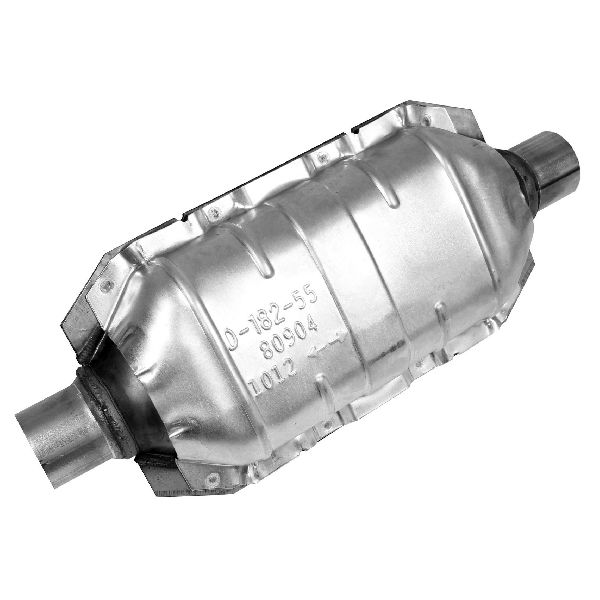
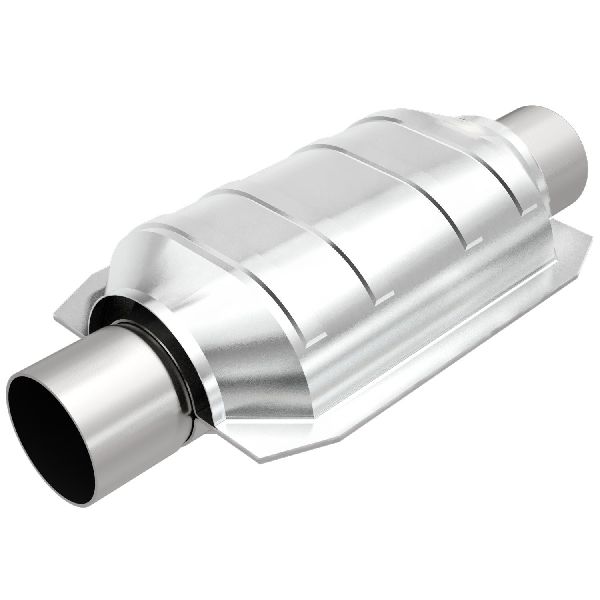
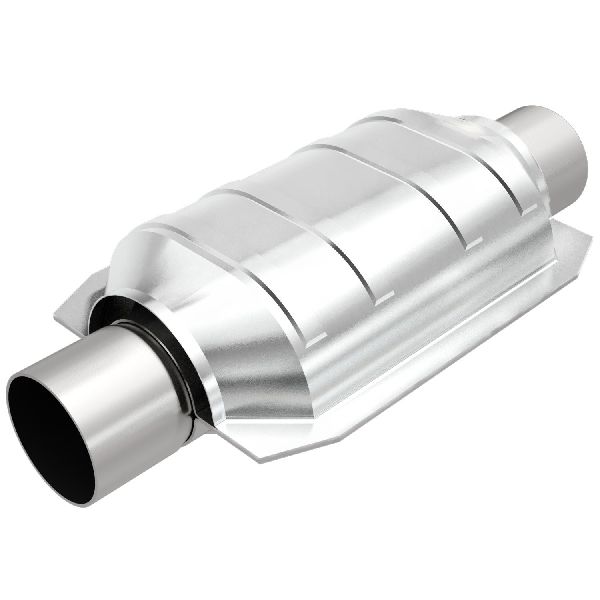
| Premium / Performance | MagnaFlow, Walker Exhaust | These brands are well-regarded for quality and reliability. MagnaFlow often uses stainless steel construction and is known for performance-oriented designs. Walker is a trusted name that produces converters designed to fit and function like the original part. They are a safe bet for longevity and proper fit. |
| Standard / Economy | AP Exhaust, Eastern Catalytic, Original Performance | These brands offer a more budget-friendly option. While they can be a good value, owner reviews are often mixed. Some experience premature failures or fitment issues that may require extra work during installation. They meet the basic requirement but may not last as long as premium brands. |
Direct-Fit vs. Universal Converters
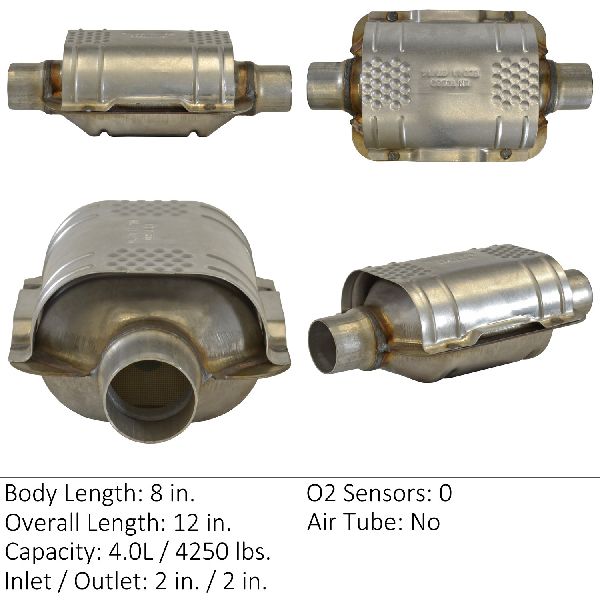
Always choose a direct-fit converter for your B2600 if possible. These are designed to bolt directly into your truck's exhaust system without any cutting or welding, making installation much easier. Universal converters are cheaper but will require a professional to weld them into place, adding to the labor cost.
Frequently Asked Questions (FAQ)
Do I need a CARB-compliant converter?
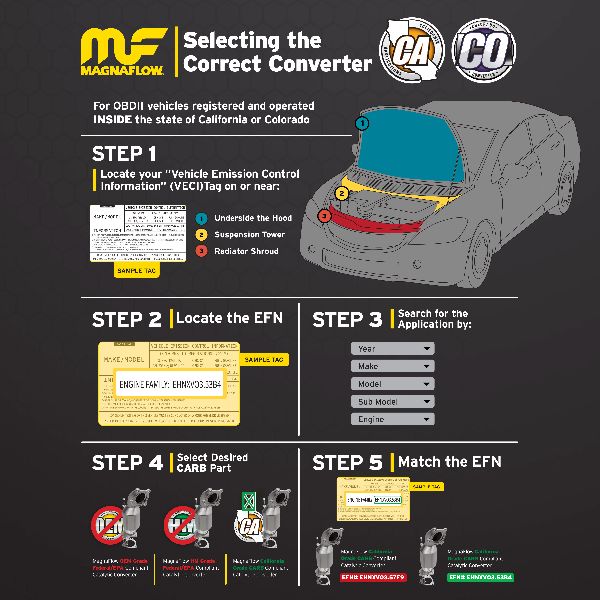
Only if you live in California or another state that has adopted California Air Resources Board (CARB) emissions standards (like Colorado, New York, Maine). These converters are more expensive because they contain more precious metals to meet stricter standards. For all other states, a Federal/EPA-compliant converter is sufficient.
Is it hard to replace the catalytic converter myself?
For a direct-fit part, the job is straightforward for a DIY mechanic with the right tools. The biggest challenge is usually dealing with rusted and seized exhaust bolts. You may need a torch, penetrating oil, and an impact wrench. If the bolts break, you may need to drill them out. If you are not comfortable with this, a professional installation is recommended.
Should I replace my oxygen sensor at the same time?
Yes, it's highly recommended. The oxygen sensor tells the engine computer how to adjust the fuel mixture and works directly with the converter. A worn-out sensor can send bad information, hurting fuel economy and potentially damaging your new converter. Given the age of the truck, replacing it is cheap insurance.
Are there any recalls for the B2600 catalytic converter?
No, there are no specific recalls issued by Mazda or the NHTSA for the catalytic converter on the 1987-1993 Mazda B2600.
Technical Specifications
Varies by year and model (2WD vs 4WD). Direct-fit is recommended. Check for Federal (EPA) or California (CARB) emissions compliance based on your state's laws.
We Have This Part in Stock


The information in this article is provided for general reference and educational purposes only. Vehicle specifications, procedures, and part compatibility can vary by production date, trim level, and region. Always consult your vehicle's factory service manual and verify part numbers before purchasing or performing repairs. Safety-critical components such as airbags, seat belts, and braking systems should be installed by a qualified professional.
- Mazda B2600: