

Ford E-350 Econoline (1987-1994) Fuel Injection Pressure Regulator: A Complete Guide
Solve common engine problems like black smoke, hard starts, and hesitation by understanding this critical fuel system part in your van.
- A key symptom is black smoke from the exhaust, which points directly to a ruptured regulator diaphragm.
- The easiest diagnostic check is to pull the vacuum line off the regulator and check for the presence of fuel.
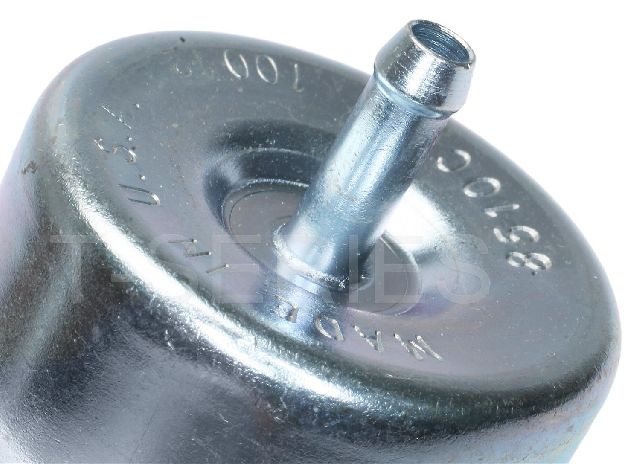
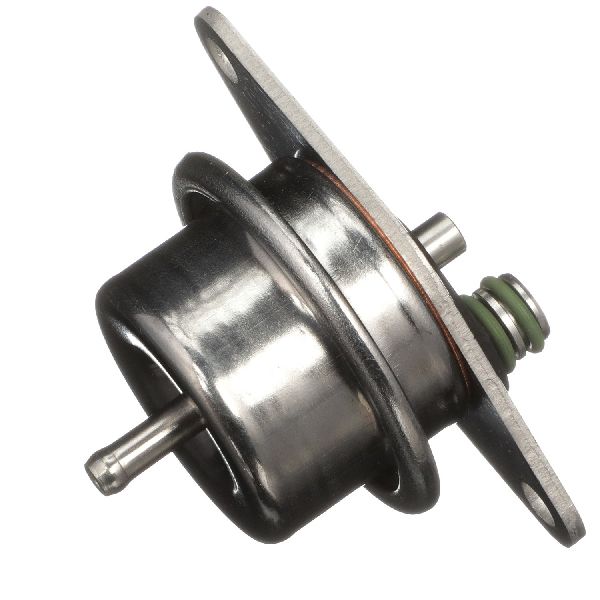
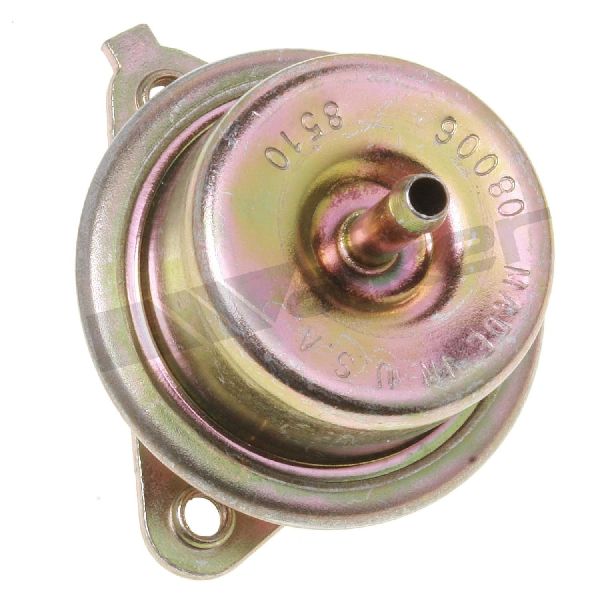
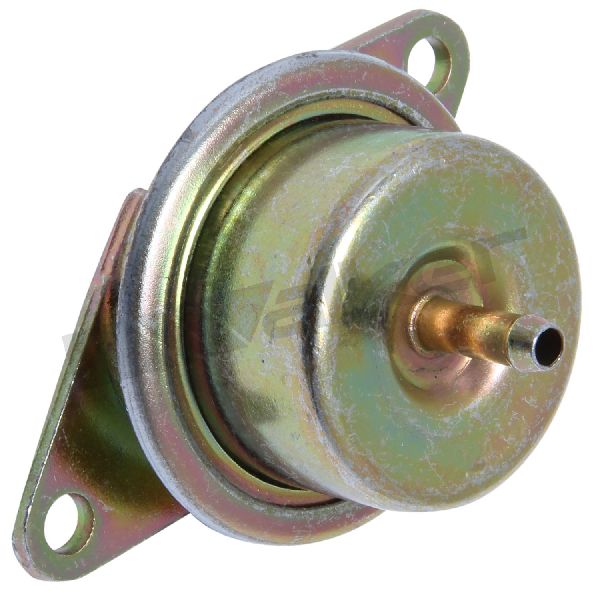
- Before ordering, you must confirm if your van needs a 2-bolt or 3-bolt regulator, as both were used in this period.
- For long-term reliability, choosing a premium brand like Delphi or Standard Ignition is recommended over economy options.
Is Your E-350's Fuel Pressure Regulator Failing?
A bad fuel pressure regulator can cause a surprising number of problems that are often mistaken for other issues. Because these vans use a simple, vacuum-operated regulator, the failure symptoms are usually clear and consistent. If you notice any of the signs below, this small part could be the culprit.
Common Symptoms of Failure
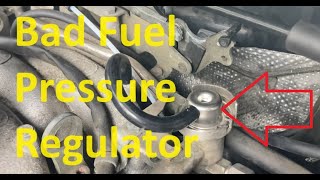
- Black Smoke from Exhaust: This is a classic sign of a ruptured regulator diaphragm. Raw fuel gets sucked through the vacuum line directly into the engine, causing it to run extremely rich.
- Hard Starting or Long Cranking: When the regulator fails, it can no longer hold pressure in the fuel rail when the engine is off. This means the fuel pump has to work extra hard to re-pressurize the system every time you start the van.
- Hesitation and Power Loss: If the regulator is stuck open, it can cause low fuel pressure. This starves the engine for fuel, leading to stumbling, hesitation when you accelerate, and a general lack of power.
- Fuel Smell: A strong smell of gasoline, especially under the hood or inside the cabin near the engine cover, is a major red flag. A common test is to pull the vacuum line off the regulator; if you see or smell raw fuel, the regulator is bad.
- Reduced Fuel Economy: Whether the engine is running too rich or too lean, a faulty regulator will hurt your gas mileage.
Known Issue: Dual-Tank Fuel Transfer
Many E-350s of this era with dual fuel tanks experience a problem where fuel from one tank is incorrectly returned to the other, causing the receiving tank to overfill and spill. While often caused by a faulty check valve in the fuel pump assembly, Ford's own technical documents for a similar F-Series recall (93S68) mention the fuel pressure regulator as a potential, though less common, part of the problem. If you have this issue, inspect your regulator as part of your diagnosis.
Choosing the Right Aftermarket Regulator
For a vehicle of this age, aftermarket parts are the most common and cost-effective solution. Quality can vary, so it's important to choose a brand that offers reliability. Here’s a breakdown of available brands.
Brand Quality Tiers
- Premium Brands ($80 - $103): Delphi and Standard Ignition (SMP) are top-tier choices. Delphi has a strong background as an Original Equipment (OE) manufacturer, and their parts are known for quality and durability. Standard Motor Products is a highly respected aftermarket manufacturer, often considered an OE-equivalent or better. For a part that is critical to engine operation and somewhat difficult to access, spending a little more on one of these brands is a wise investment.
- Standard Brands ($60 - $80): Walker Products fits into this category. They are a large manufacturer that produces parts to meet or exceed OEM specifications and have quality certifications. They offer a good balance of quality and value for daily drivers and work vans.
- Economy Brands ($51 - $60): Brands like True Tech fall into the economy tier. These parts meet basic fit and function requirements and are the most budget-friendly. They can be a good choice if the price is your primary concern, but long-term durability may not match premium brands.
Cost to Replace the Fuel Pressure Regulator
This is a job that a skilled DIYer can handle. For those who prefer a professional, the cost is reasonable.
| Item | Estimated Cost |
|---|---|
| New Aftermarket Part | $51.19 - $103.06 |
| Shop Labor | $125 - $250 |
| Total Professional Replacement | $176 - $353 |
Frequently Asked Questions
Can I replace the fuel pressure regulator myself?
Yes, this is a DIY-feasible job. The main steps are to first relieve the fuel system pressure. Then, remove the interior engine cover (the "doghouse"). The regulator is on the fuel rail, held by two or three Allen or Torx bolts. Have a rag ready for minor fuel spillage. Lubricate the new O-rings with clean motor oil before installation to prevent tearing.
How do I test the fuel pressure regulator?
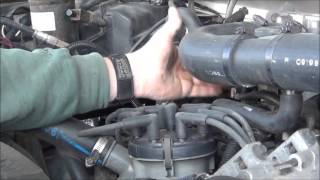
The easiest test is to pull the small vacuum hose off the regulator nipple. If you see or smell gasoline in the hose, the internal diaphragm has torn and the regulator must be replaced. 🎬 Watch: How to test for a failed regulator diaphragm For a more thorough test, you can connect a fuel pressure gauge to the Schrader valve on the fuel rail. Pressure should be around 30-45 PSI at idle and should increase when you remove the vacuum line. A pressure reading that is too high (e.g., 70+ PSI) indicates a bad regulator.
What's the difference between running "rich" and "lean"?
Running "rich" means there is too much fuel and not enough air. This is often caused by a ruptured regulator diaphragm and results in black smoke and a strong fuel smell. Running "lean" means there is too much air and not enough fuel. This can happen if the regulator is stuck open, causing low pressure, and results in hesitation, stalling, and poor power.
Do I need any special tools?
You will need a set of Allen keys or Torx bits. For some 7.5L (460) engines, the rear bolt can be hard to reach, 🎬 Watch: Troubleshooting symptoms on the 7.5L 460 engine and some mechanics recommend cutting down a 4mm Allen wrench to get access. A fuel pressure gauge is also highly recommended for proper diagnosis.
Helpful Videos
Technical Specifications
Key specifications for ordering are the model year, engine size (5.8L V8 or 7.5L V8), and the bolt pattern (2-bolt vs. 3-bolt flange). Fuel pressure should be approximately 30-45 PSI at idle.
We Have This Part in Stock


The information in this article is provided for general reference and educational purposes only. Vehicle specifications, procedures, and part compatibility can vary by production date, trim level, and region. Always consult your vehicle's factory service manual and verify part numbers before purchasing or performing repairs. Safety-critical components such as airbags, seat belts, and braking systems should be installed by a qualified professional.
- Ford E-350 Econoline: