

Chevrolet Blazer Starter Motor Guide: 1987-1995 Models
If your Blazer won't crank, don't immediately blame the battery—your starter might be the real problem.
- Heat soak is a common problem for V8 Blazers, causing slow or no-start conditions when hot; a high-torque starter or heat shield can fix this.
- Always test the battery and check for clean, tight cable connections before assuming the starter is bad.
- ACDelco is a trusted OEM-equivalent brand, while Powermaster and Proform offer high-torque upgrades for performance or heat-related issues.
- When replacing the starter, it is crucial to check for proper gear clearance with the flywheel and use shims if necessary to prevent grinding.
Is Your Blazer's Starter Failing?
A bad starter can mimic a dead battery, but there are a few key differences. Before you replace any parts, make sure your battery is fully charged and the terminals are clean and tight. If the battery is good, but the engine still won't start, look for these classic signs of a failing starter.
Common Failure Symptoms:
- Single Loud Click: You turn the key and hear one sharp click, but the engine doesn't turn over. This often points to a bad starter solenoid, which is part of the starter assembly.
- No Sound at All: If your dashboard lights turn on but you hear nothing when you turn the key, the starter motor may not be receiving the signal or has failed completely.
- Slow, Labored Cranking: If the engine turns over very slowly, as if the battery is weak, it could be the starter motor struggling due to internal wear or high resistance.
- Grinding or Whirring Noise: A grinding sound indicates the starter gear is not meshing correctly with the flywheel, which can cause damage to both parts. A whirring noise without the engine turning over means the starter motor is spinning, but the gear is not engaging the flywheel.
A Common Issue: Heat Soak
A frequent problem on these older Chevy trucks, especially those with V8 engines and aftermarket headers, is "heat soak." This happens when the starter and its solenoid get so hot from the nearby exhaust manifold that their internal electrical resistance increases. The result is a starter that works fine when cold but seems weak or dead after a long drive when the engine bay is hot. It might crank slowly or not at all until it cools down for 15-30 minutes. Upgraded high-torque starters and heat shields are common solutions.
Choosing the Right Aftermarket Starter
For a vehicle from this era, original OEM starters are often discontinued or only available as expensive remanufactured units. New aftermarket starters provide excellent value and, in some cases, offer significant upgrades over the original design. They are typically categorized into a few tiers.
1. OEM-Equivalent Brands
These brands aim to meet or exceed original factory specifications. They are a reliable choice for stock or lightly modified Blazers.
- ACDelco (Gold/Professional): As GM's own parts division, ACDelco is the closest you can get to a factory part. They offer new and remanufactured starters that are considered a high-quality, dependable option for a direct replacement.
2. Performance & Upgraded Brands
If you have a modified engine, larger exhaust, or are experiencing heat soak issues, these brands offer solutions with more cranking power and better heat resistance.
- Powermaster: A popular choice for high-performance applications. Powermaster starters are often smaller (mini-starters), lighter, and provide significantly more torque than stock units, which helps overcome heat soak and crank high-compression engines.
- Proform: Similar to Powermaster, Proform offers high-torque and gear-reduction starters that are a good upgrade for performance and reliability.
3. Standard Aftermarket Brands
These brands offer a balance of quality and affordability, making them a good fit for daily drivers and budget-conscious repairs.
- MPA (Motorcar Parts of America): A major supplier of new and remanufactured starters and alternators, often sold under various store brands.
Do I Need a Mini-Starter or a High-Torque Starter?
For most stock 1987-1995 Blazers, a standard replacement starter from a brand like ACDelco is perfectly fine. However, you should consider a high-torque or mini-starter from a brand like Powermaster if you have: aftermarket headers that sit close to the starter, a high-compression engine, or persistent heat soak problems. These starters use gear reduction to multiply torque, allowing them to spin the engine faster with less effort.
Starter Replacement Cost for 1987-1995 Chevrolet Blazer
The cost to replace a starter motor depends on the parts you choose and whether you do the work yourself. Professional installation is fairly straightforward on these trucks.
| Part/Service | Estimated Cost |
|---|---|
| New Aftermarket Starter | $78 - $384 |
| Shop Labor | $150 - $300 |
| Total Professional Replacement | $228 - $684 |
Frequently Asked Questions
Do I need to use shims when installing my new starter?
Sometimes. Starter shims are thin metal plates used to create the correct gap between the starter gear and the flywheel. An incorrect gap can cause grinding noises or damage to the teeth on both parts. While many replacements don't require shims if the old one didn't have them, it's critical to check the clearance. Many high-quality aftermarket starters include shims and a guide for checking this clearance.
Should I replace the starter solenoid at the same time?
Yes. On a 1987-1995 Blazer, the starter solenoid is almost always attached to the starter motor itself and sold as a single assembly. A clicking sound when you turn the key is a classic sign of a failed solenoid, so replacing the entire unit is the standard repair.
Could a bad ground wire cause starter problems?
Absolutely. A loose or corroded ground wire from the battery to the engine block can prevent the starter from getting enough power, causing slow cranking or a no-start condition that acts like a bad starter. Always check your main battery cables and engine ground strap for clean, tight connections before replacing parts.
Were there any recalls for the starter on the 1987-1995 Blazer?
No. Searches of the National Highway Traffic Safety Administration (NHTSA) database did not show any recalls specifically for the starter motor on the 1987-1995 Chevrolet Blazer.
Technical Specifications
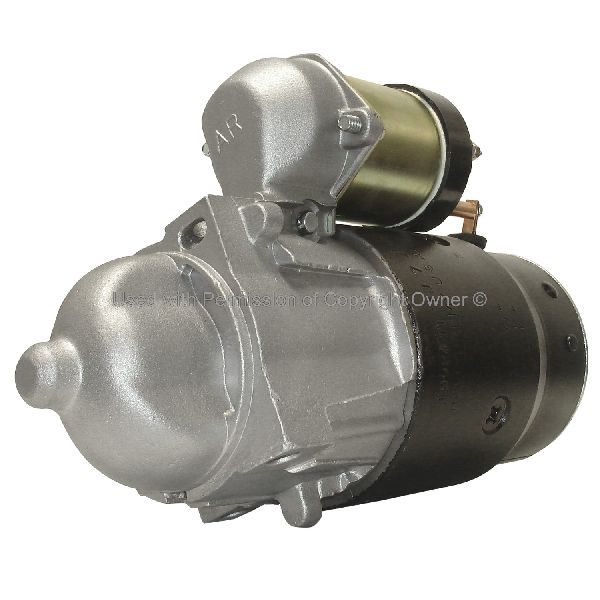
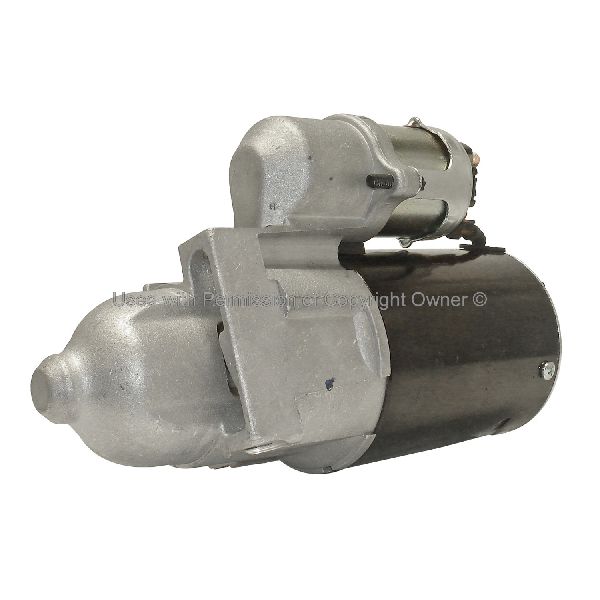
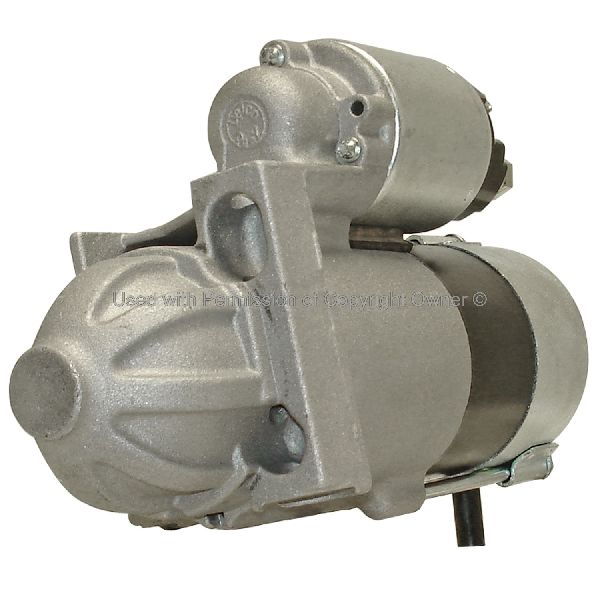
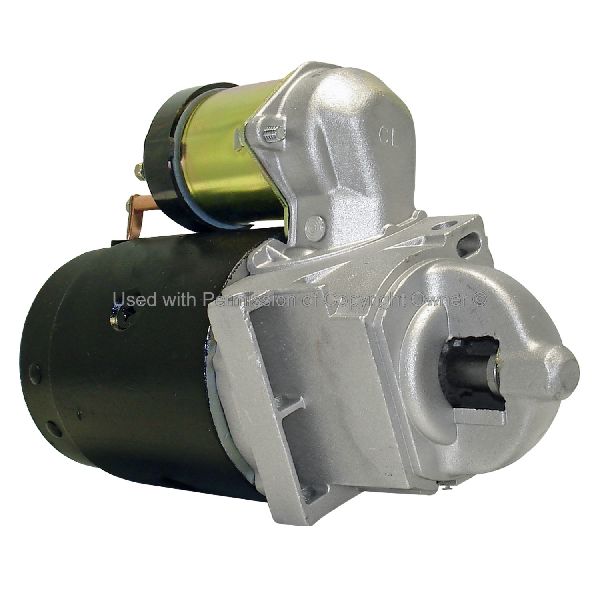
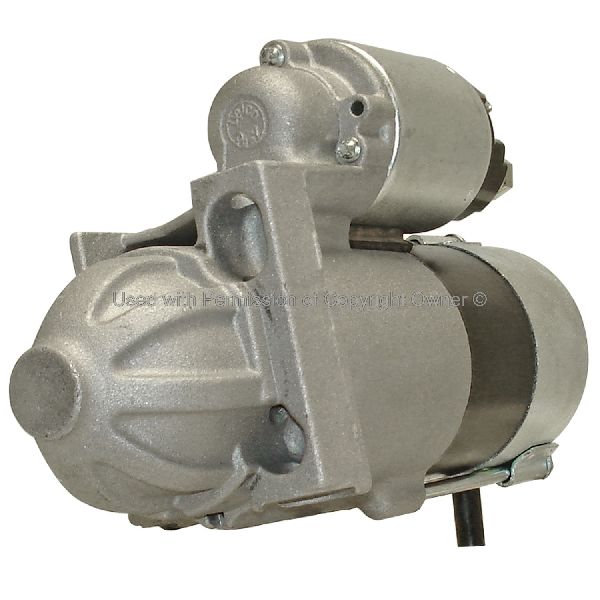
OEM Part Numbers: 12563176 12564107 89017441 1998588 1998589
Varies by engine (4.3L V6 or 5.7L V8) and transmission. Most are 12-volt, direct-drive or permanent magnet gear reduction (PMGR) style. V8 models typically use a starter with a staggered bolt pattern for a 168-tooth flywheel, though some configurations may vary.
We Have This Part in Stock

The information in this article is provided for general reference and educational purposes only. Vehicle specifications, procedures, and part compatibility can vary by production date, trim level, and region. Always consult your vehicle's factory service manual and verify part numbers before purchasing or performing repairs. Safety-critical components such as airbags, seat belts, and braking systems should be installed by a qualified professional.
- Chevrolet Blazer:
- 🛍️ Shop This Part
- Is Your Blazer's Starter Failing?
- Common Failure Symptoms:
- A Common Issue: Heat Soak
- Choosing the Right Aftermarket Starter
- 1. OEM-Equivalent Brands
- 2. Performance & Upgraded Brands
- 3. Standard Aftermarket Brands
- Do I Need a Mini-Starter or a High-Torque Starter?
- Starter Replacement Cost for 1987-1995 Chevrolet Blazer
- Frequently Asked Questions
- 🎟️ Get 5% Off