

1987-1996 Dodge Dakota Suspension Control Arm Bushing Replacement Guide
Eliminate front-end clunks and steering wander by understanding and replacing your first-generation Dakota's control arm bushings.
- Decide between quiet, comfortable rubber bushings (like Mevotech) or durable, responsive polyurethane bushings (like Nolathane) based on your driving needs.
- Replacing only the bushings is difficult and requires a press; replacing the entire control arm assembly is often easier for a DIY mechanic.
- A professional wheel alignment is mandatory after replacing control arm bushings to ensure safety and prevent tire damage.
- Always inspect related components like ball joints and tie rod ends at the same time, as they often wear at a similar rate.
Is Your Dakota's Front End Making Noise?
If you're hearing clunking, popping, or groaning sounds from the front of your truck, especially when going over bumps or braking, your control arm bushings are a likely suspect. These rubber components wear out over time from heat, stress, and exposure to the elements. On the first-generation Dodge Dakota, worn bushings are a common source of front-end noise, sloppy steering, and uneven tire wear.
Key Symptoms of Failing Bushings
- Clunking Noises: A metallic clunk or pop when driving over bumps, turning, or braking.
- Steering Wander: The truck pulls to one side and requires constant correction to drive straight.
- Uneven Tire Wear: The inside or outside edge of your front tires wears out faster than the rest.
- Vibrations: A shimmy or vibration felt in the steering wheel, especially at higher speeds.
Choosing the Right Aftermarket Bushing: Rubber vs. Polyurethane
When replacing the bushings on your Dakota, you have two main choices for aftermarket parts: traditional rubber or performance-oriented polyurethane. The right one for you depends on how you use your truck.
Standard Rubber Bushings (Mevotech)
Standard replacement bushings, like those offered by brands such as Mevotech, are typically made of rubber. This material is excellent at absorbing vibrations and provides a ride quality similar to the original factory parts. If you use your Dakota as a daily driver and prefer a quiet, comfortable ride, rubber bushings are a cost-effective and reliable choice. However, rubber can degrade over time and may need to be replaced again in the future.
Polyurethane Bushings (Nolathane)
Polyurethane (often called "poly") is a much firmer and more durable material than rubber. Brands like Nolathane specialize in these performance-oriented bushings. The main advantages are a longer lifespan and improved handling. Because they are stiffer, polyurethane bushings reduce control arm flex, making steering feel more responsive. The downside is that they can transmit more road noise and vibration into the cabin, resulting in a harsher ride. They also require special grease during installation to prevent squeaking.
🎬 Watch this step-by-step guide to upgrading your Dakota with polyurethane bushings.Pro Tip: For a work truck or one that sees spirited driving, polyurethane's durability and responsiveness are a major upgrade. For a comfortable daily commuter, sticking with quality rubber bushings is often the best bet.
| Feature | Rubber (e.g., Mevotech) | Polyurethane (e.g., Nolathane) |
|---|---|---|
| Ride Feel | Quiet and comfortable, absorbs vibration well. | Firmer, more road feel, can be harsher. |
| Performance | Softer, allows for more suspension flex. | Stiffer, improves steering response and handling. |
| Durability | Good, but degrades over time with exposure to elements. | Excellent, highly resistant to wear, oil, and heat. |
| Maintenance | None required. | Must be lubricated with special grease during installation to prevent squeaks. |
Frequently Asked Questions (FAQ)
Do I need a wheel alignment after replacing control arm bushings?
Yes, absolutely. Replacing control arm bushings will alter your truck's suspension geometry. A professional wheel alignment is required immediately after the job is done to ensure proper handling, prevent unsafe driving conditions, and avoid premature tire wear.
Should I replace the whole control arm or just the bushings?
While you can replace just the bushings, it requires a hydraulic press or special tools to remove the old ones and install the new ones. This can be a difficult and time-consuming process. For many Dakota owners, especially if the ball joints are also worn, replacing the entire control arm assembly is a much easier and faster job.
🎬 See how to replace the entire control arm assembly on your truck.Are there any recalls or TSBs for my Dakota's suspension?
Searches of the NHTSA database did not show any specific recalls for control arm bushings for the 1987-1996 Dodge Dakota. There was a general suspension recall noted for the 1988 model year, but details are sparse. Always check for worn components like ball joints and tie rods when you are inspecting your bushings.
Should I replace bushings on both sides at the same time?
Yes. Suspension components wear out at a similar rate. If the bushings on one side have failed, the other side is likely worn as well. Replacing them in pairs ensures balanced handling and prevents you from having to do the same job again in the near future.
Helpful Videos
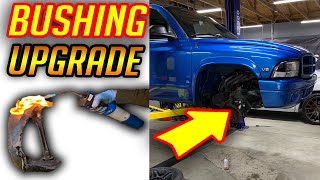
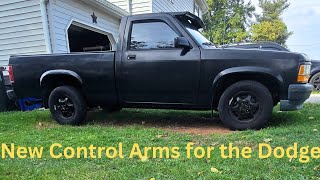
Technical Specifications
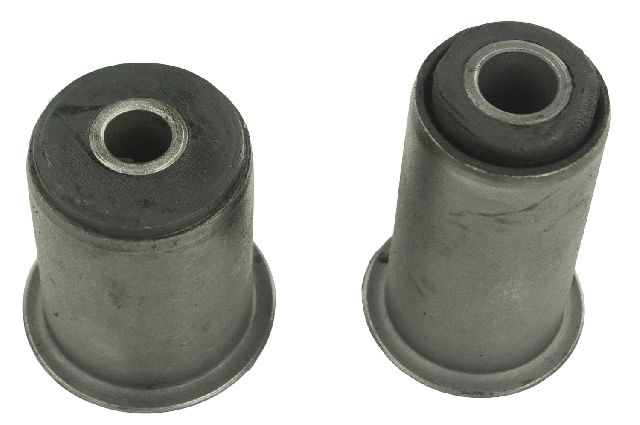
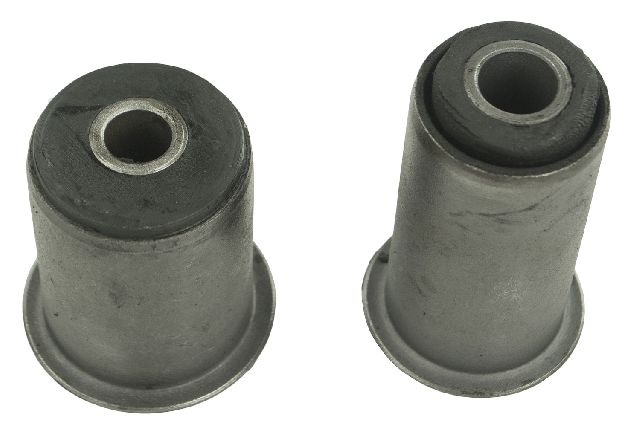
This part is for the front suspension, fitting either the upper or lower control arms. Bushings are available in standard rubber or performance polyurethane materials.
We Have This Part in Stock

The information in this article is provided for general reference and educational purposes only. Vehicle specifications, procedures, and part compatibility can vary by production date, trim level, and region. Always consult your vehicle's factory service manual and verify part numbers before purchasing or performing repairs. Safety-critical components such as airbags, seat belts, and braking systems should be installed by a qualified professional.
- Dodge Dakota: