

Dodge Dakota Parking Brake Cable Guide (1987-1997)
Everything you need to know before replacing the parking brake cables on your first-generation Dodge Dakota.
- Failure is common due to rust and lack of use; use your parking brake regularly to keep cables moving freely.
- Verify your Dakota's wheelbase and 2WD/4WD configuration before ordering to ensure you get the correct length cables.
- Aftermarket cables may not include all hardware; be prepared to reuse springs and clips from your old cables.
- If one cable is bad, the others are likely in poor condition too. It's best to replace them all at the same time.
Is Your Parking Brake Cable Failing?
On an older truck like the 1987-1997 Dodge Dakota, the parking brake cables are exposed to years of moisture, road salt, and dirt. The most common reason these cables fail is simply from rust and lack of use. If you rarely use your parking brake, the cables can seize inside their protective sheaths. When you finally try to use it, the cable might stick, break, or not engage at all.
Common Symptoms:
- Loose Pedal: The parking brake pedal feels loose, goes to the floor with no resistance, or doesn't spring back up when released.
- Truck Still Rolls: You engage the parking brake, but the truck won't hold its position on a hill.
- Brake Won't Release: The cable is seized, causing the rear brakes to drag, which can lead to a burning smell, smoke, and extreme heat at the wheels.
- Sagging Cable: You can see a broken or sagging cable hanging underneath the truck.
- Brake Warning Light: The brake warning light on your dashboard may stay on if the system detects a problem or if the pedal isn't returning to its fully released position.
A Note on Seized Parts
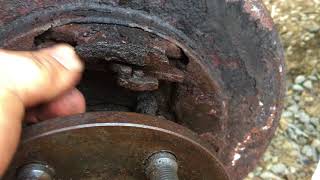
Sometimes, the problem isn't the cable itself but the mechanical levers and hardware inside the rear drum brakes. These components can also rust and seize. If you replace the cables but the brake still doesn't work, you may need to disassemble and service the rear drum brake hardware.
🎬 Watch: How to properly adjust your Dakota drum brakesChoosing the Right Aftermarket Cable
For a vehicle of this age, finding original Mopar parts can be difficult and expensive. The aftermarket is your most likely source. Dorman and Raybestos are two of the most common brands available.
There is a general consensus among mechanics that aftermarket quality can be inconsistent. Some owners report aftermarket cables being slightly the wrong length or missing small but essential hardware like return springs, requiring you to reuse old, rusty parts from your truck.
- Raybestos: Often considered a higher-tier aftermarket brand. If a "Professional Grade" or "Element3" option is available, it's generally viewed as a more reliable choice, though it may cost a few dollars more.
- Dorman: A widely available and budget-friendly option. Dorman products can be a mixed bag; some fit and work perfectly, while others might have minor issues with fitment or durability. They are engineered to match the original design and often feature corrosion-resistant coatings.
Pro Tip: Buy as a Set
Your Dakota has multiple cables (front, intermediate, rear left, rear right). If one has failed due to age and rust, the others are likely in similar condition. It's often best to replace them all at once to ensure the entire system is reliable.
What to Expect for Your Wallet
The cost for the parts themselves is quite reasonable. The main variable is labor if you're not doing the job yourself. Keep in mind you may need multiple cables depending on which ones have failed.
| Part/Service | Estimated Cost |
|---|---|
| New Aftermarket Cable (Single) | $15 - $47 |
| Shop Labor to Replace One or More Cables | $150 - $300 |
Frequently Asked Questions
Do I need to replace all the parking brake cables at once?
It's highly recommended. The cables are all the same age and have been exposed to the same conditions. If one has snapped or seized from rust, the others are likely not far behind. Replacing them all at once saves you from having to do the same job again in a few months.
Why is my new cable too long/short?
The 1987-1997 Dodge Dakota was available in different wheelbases (short bed, long bed) and drivetrain configurations (2WD, 4WD). These differences require different length cables. Always double-check that the part you are ordering specifically matches your truck's wheelbase and drive type to avoid this common mistake.
My new aftermarket cable didn't come with a spring. What do I do?
This is a common complaint with aftermarket cables. In many cases, you will have to carefully remove and reuse the springs and other small hardware from your old cables. This can be difficult if the old parts are heavily rusted. Try soaking them in penetrating oil before attempting removal.
Are there any recalls for the parking brake cable on my Dakota?
No. Searches of the National Highway Traffic Safety Administration (NHTSA) database show no specific recalls or safety campaigns for the parking brake cables 🎬 Watch: Original 1987 Dodge factory training video on this system on the 1987-1997 Dodge Dakota.
Is replacing the parking brake cable a difficult job?
It can be. While the steps are straightforward, the job requires working under the truck, and you will almost certainly be dealing with rusted bolts and clips. Disconnecting the old cable ends from the backing plates can be particularly challenging. It often requires a combination of pliers, screwdrivers, and patience. If you're not comfortable working with rusty components, it may be best to leave this job to a professional.
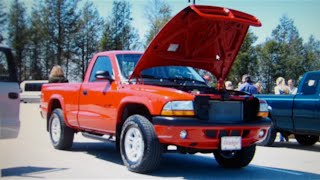
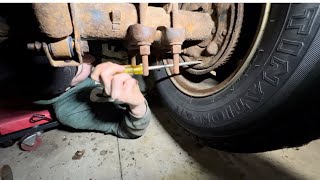
🎬 See these helpful highlights of the cable replacement processHelpful Videos
Technical Specifications
OEM Part Numbers: 52009314 5003790AA
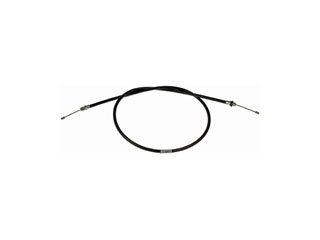
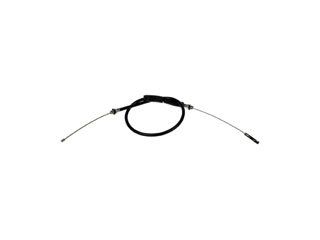
The system uses a multi-cable design, typically consisting of a front cable from the pedal, an intermediate cable, and separate left and right rear cables connecting to the drum brakes. Cables are specific to the vehicle's wheelbase (e.g., 111.9" or 130.9") and drivetrain (2WD or 4WD).
We Have This Part in Stock
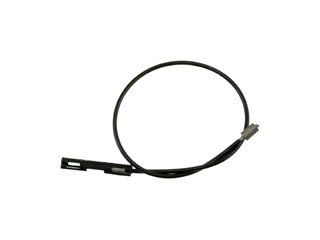

The information in this article is provided for general reference and educational purposes only. Vehicle specifications, procedures, and part compatibility can vary by production date, trim level, and region. Always consult your vehicle's factory service manual and verify part numbers before purchasing or performing repairs. Safety-critical components such as airbags, seat belts, and braking systems should be installed by a qualified professional.
- Dodge Dakota: