

Ford F-150 Alignment Caster & Camber Kit Guide (1987-1997)
Fix your F-150's notorious tire wear and steering wander by choosing the right alignment kit for its unique Twin I-Beam suspension.
- These kits are not optional; they are required to properly align a 1987-1997 F-150 due to its Twin I-Beam suspension design.
- Essential for any truck with a lift, leveling kit, or sagging front springs to prevent severe tire wear.
- Installation of the part can be done at home, but a professional alignment is mandatory immediately afterward.
- Choose a kit with enough degrees of adjustment for your truck's needs; lifted trucks require more adjustment.
Understanding Your F-150's Alignment Needs

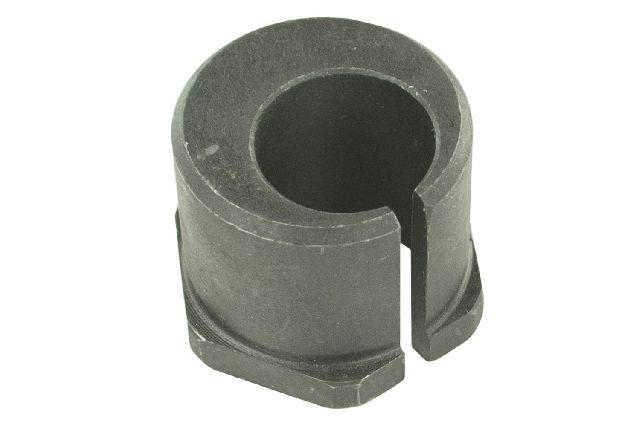
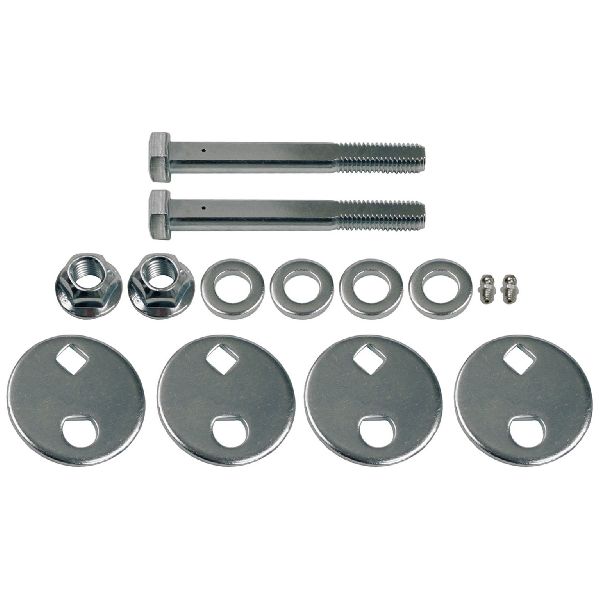
If you own an '87-'97 F-150, you're likely familiar with its tendency to wear out the inside or outside edges of the front tires. This is a classic symptom of incorrect camber on the Twin I-Beam suspension. 🎬 Watch a deep dive into how this suspension system works. Unlike modern trucks, you can't just take it to any shop for a standard alignment. From the factory, there is no way to adjust caster and camber. An alignment caster/camber kit is not just an upgrade; it's a necessary part for getting a proper alignment and saving your tires. These kits are essential if you've lifted, leveled, or even just have sagging original coil springs.
Symptoms of a Bad Alignment

When your F-150's alignment is off, it will give you clear warning signs. Ignoring them will lead to buying new tires much sooner than you should.
- Uneven Tire Wear: This is the most common sign. Excessive wear on the inner or outer shoulder of the front tires points directly to a camber issue.
- Vehicle Pulling: The truck drifts or pulls to the left or right on a straight, flat road, forcing you to constantly correct the steering wheel.
- Crooked Steering Wheel: To drive straight, your steering wheel is off-center.
- Squealing Tires: You may hear tires squealing during normal turns as they scrub against the pavement due to improper angles.
Choosing the Right Aftermarket Kit

For a vehicle of this age, aftermarket is your primary option. OEM parts are generally discontinued. The good news is that aftermarket brands offer a wide range of adjustability to solve even severe alignment problems. The available brands for your truck include Mevotech, Moog, Pro Comp, QuickSteer, and Skyjacker.
Aftermarket Brand Tiers
| Tier | Brands | Quality & Notes |
|---|---|---|
| Premium / Heavy-Duty | Moog, Mevotech (TTX/Supreme) | Often considered the go-to for suspension parts. Moog has a long-standing reputation, though some users report a decline in quality recently. Mevotech's higher-end lines (TTX and Supreme) are seen as high-quality, near-OEM level parts. Both brands are a solid choice for durability. |
| Off-Road / Lift Focused | Skyjacker, Pro Comp | These brands specialize in lift kits and off-road suspensions. Their alignment kits are designed to correct the extreme angles caused by lifting a truck. Reviews are often mixed and depend heavily on the specific kit and application, with some users preferring Skyjacker for better quality. |
| Standard / Economy | QuickSteer, Mevotech (Standard) | These brands provide a functional, budget-friendly solution for stock or near-stock trucks. They will get the job done for a daily driver without breaking the bank. |
A Note on Installation
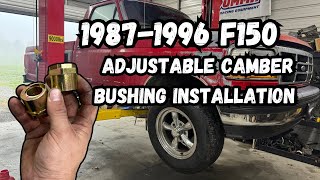
While replacing the bushing itself is feasible for a DIY mechanic, a professional wheel alignment is required immediately after installation. The part is installed, but the final adjustments must be made on an alignment rack to ensure the angles are correct. Getting the old, rusted bushing out is often the hardest part of the job. 🎬 See a step-by-step guide on installing adjustable camber bushings.
Known Issues, Recalls, and TSBs
There are no specific recalls or Technical Service Bulletins (TSBs) from the NHTSA for the alignment caster/camber kits on the 1987-1997 F-150. The primary "issue" is the design of the Twin I-Beam suspension itself, which necessitates these kits for proper alignment, a fact well-known to experienced mechanics. A recall (98S14) was issued for this generation for wheel lug nuts, but it is unrelated to the alignment components.
Frequently Asked Questions (FAQ)

Do I really need an alignment kit after installing a leveling kit?
Yes, absolutely. Lifting or leveling your F-150 changes the suspension geometry, which causes a positive camber (top of the tires tilt outward). An adjustable bushing kit is the only way to correct this and prevent rapid tire wear.
Can I install this part myself?
You can install the bushing yourself if you have the right tools, like a ball joint press or pullers, and are comfortable with suspension work. However, you cannot complete the job at home. The truck must be taken to an alignment shop immediately after to have the caster and camber angles professionally set.
🎬 Learn what happens during a professional Twin I-Beam alignment.Why do alignment shops charge extra to install these?
Shops charge extra labor because they have to remove the old, often seized, factory sleeve and install the new one before they can even begin the alignment. This adds time to the service. A fair price for the installation labor is about one hour per side.
What's the difference between a 2-degree and a 4-degree kit?
The degree rating indicates the maximum amount of adjustment the bushing provides. A standard truck might only need a small adjustment, while a truck with a 2-inch leveling kit will need a bushing with a larger degree range to bring the alignment back into specification. An alignment technician can measure your current angles to determine the correct bushing to use.
Helpful Videos
Technical Specifications
OEM Part Numbers: E0TZ-3B440-P EOTZ3B440C
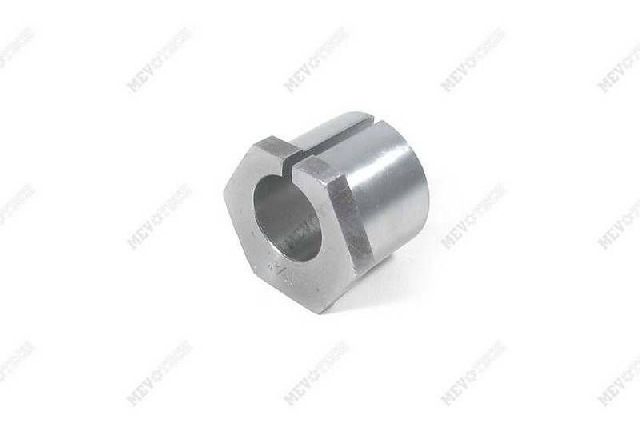
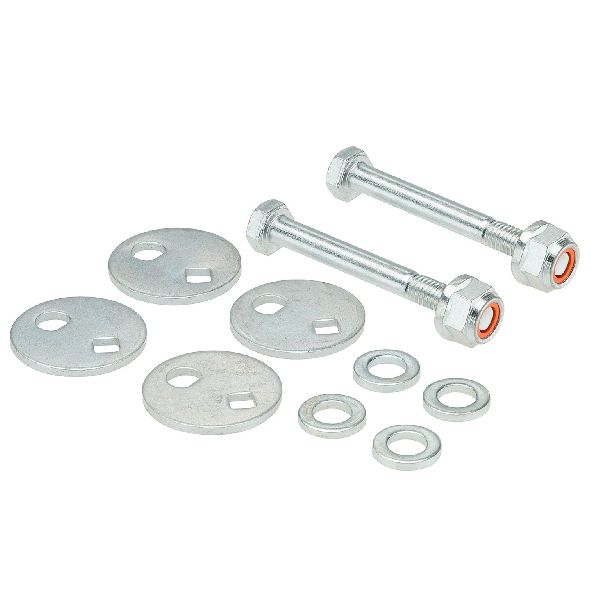
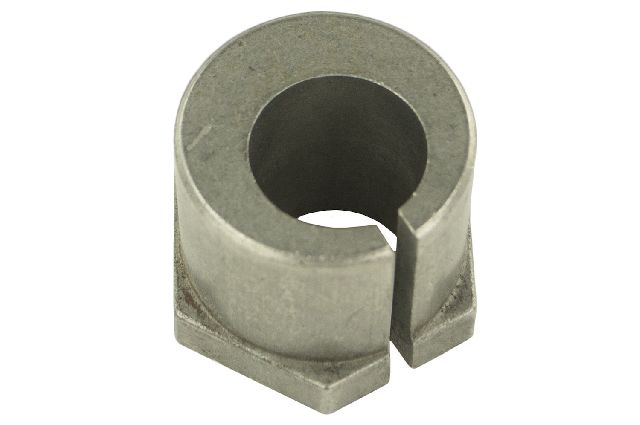
Replaces the upper ball joint sleeve to provide camber and caster adjustment. Available in various degrees of adjustment, typically from +/- 0 degrees to over +/- 4 degrees.
We Have This Part in Stock

The information in this article is provided for general reference and educational purposes only. Vehicle specifications, procedures, and part compatibility can vary by production date, trim level, and region. Always consult your vehicle's factory service manual and verify part numbers before purchasing or performing repairs. Safety-critical components such as airbags, seat belts, and braking systems should be installed by a qualified professional.
- Ford F-150: