

Jeep Wrangler YJ & TJ Disc Brake Caliper: A Mechanic's Guide (1987-2002)
Solve common brake problems like pulling, dragging, and seizing by choosing the right replacement caliper for your YJ or TJ.
- Sticking or seized calipers are the most common failure on 1987-2002 Wranglers, often caused by rust.
- Choose new calipers with phenolic (composite) pistons to prevent future rust and seizing issues.
- Always replace calipers and brake pads in pairs (both front wheels) to ensure safe, balanced braking.
- Strongly consider replacing your old rubber brake hoses at the same time; they can cause similar symptoms and are a common failure point.
Is Your Wrangler's Brake Caliper Failing?
On a YJ or TJ Wrangler, brake calipers live a tough life. They are constantly exposed to the elements, which leads to rust and contamination. The most common failure is a seized or sticking caliper, which can cause serious safety and performance issues. If you notice any of the following signs, it's time to inspect your calipers.
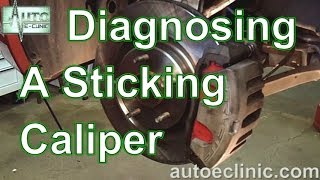
🎬 Watch: A simple test to diagnose a sticking brake caliper- Vehicle Pulling to One Side: When you brake, a bad caliper can cause your Jeep to pull sharply to the left or right. This happens because one brake is working harder than the other.
- Dragging Sensation or Burning Smell: A caliper that doesn't release properly will cause the brake pads to constantly rub against the rotor. This creates a dragging feeling, reduces fuel economy, and can produce a distinct burning smell from the excessive heat.
- Uneven Brake Pad Wear: When you inspect your brake pads, if the pad on one side is significantly more worn than the other, it's a classic sign of a sticking caliper or seized slide pins.
- Brake Fluid Leaks: Puddles of fluid near your wheels are a critical warning sign. A leaking caliper piston seal can compromise your entire brake system.
- Spongy or Soft Brake Pedal: While this can have many causes, a leak in the caliper can introduce air into the system, resulting in a soft pedal that goes too close to the floor.
Choosing the Right Aftermarket Caliper for Your YJ/TJ
When replacing calipers on your 1987-2002 Wrangler, you have several good aftermarket options. The most important decision isn't always the brand, but the type of piston inside the caliper.
Piston Material: Phenolic vs. Steel
This is the most critical choice for a Jeep owner. Your original calipers likely had phenolic pistons for a reason.
- Phenolic Pistons: These are made from a high-strength composite resin. Their main advantage is that they do not rust. For a Wrangler that gets wet and muddy, this prevents the piston from seizing in the caliper bore due to corrosion—a very common problem. They also insulate the brake fluid from heat better during normal driving.
- Steel Pistons: These are stronger and better at dissipating heat during extreme, repetitive braking (like long downhill descents with a heavy load). However, their major drawback is that they can rust, leading to the piston sticking or seizing inside the caliper.
Recommendation: For the vast majority of YJ and TJ owners, new calipers with phenolic pistons are the better choice. The superior corrosion resistance is a huge benefit for a vehicle that is often exposed to the elements.
Aftermarket Brand Tiers
The brands available offer a range of quality and price. They can be grouped into a few general categories:
- Performance Upgrade (PowerStop): Known for complete kits that often include red powder-coated calipers, upgraded pads, and drilled/slotted rotors. This is a popular choice for owners looking for improved stopping power and a custom look.
- Jeep Specialists (Crown, Omix-Ada): These brands specialize in Jeep replacement parts and are a go-to for factory-style components. Forum discussions show that both are considered reliable options, with some users having personal preferences for one over the other.
- Reputable Aftermarket (Raybestos, Dynamic Friction, ACDelco): These are well-known brands that produce quality replacement parts for a wide range of vehicles. Raybestos, in particular, is often praised for its quality new and remanufactured components.
- Value-Focused (Cardone, BBB Industries): These brands, especially Cardone, are major suppliers of remanufactured calipers. While they offer a cost-effective solution, quality can sometimes be inconsistent, according to some user experiences. However, many have used them without any issues.
IMPORTANT: Check for Brake Hose Recall on 1987-1992 YJ
There was a safety recall (NHTSA Campaign ID: 92V148000) for 1987-1992 Jeep Wranglers where the front brake hoses could rub against a shield, wear through, and cause a loss of front brakes. When replacing your calipers, it is a perfect time to inspect your brake hoses for wear and consider replacing them, especially if they are original. A collapsed internal hose lining can also mimic the symptoms of a seized caliper.
Aftermarket Disc Brake Caliper Cost for 1987-2002 Jeep Wrangler
| Part Type | Estimated Cost (Per Caliper) | Notes |
|---|---|---|
| New Aftermarket | $35 - $110 | Our recommended choice. Often includes new hardware and a choice of piston material. No core charge. | 🎬 See this walkthrough for replacing front calipers on a YJ
| Remanufactured Aftermarket | $30 - $75 | A rebuilt OEM or aftermarket core. Quality can vary. Usually requires a core charge. |
| New OEM (Mopar) | $85 - $150+ | Highest cost, direct factory replacement. May be difficult to find for older models. |
| Shop Labor | $100 - $200 per axle | Includes installation and bleeding the brake system. |
Frequently Asked Questions
Should I replace calipers in pairs?
Yes, absolutely. You should always replace brake calipers in pairs (both front or both rear). This ensures even braking performance and prevents the vehicle from pulling to one side. Replacing only one can create a dangerous imbalance.
What is a core charge?
A core charge is a deposit you pay when buying a remanufactured part. You get this deposit back when you return your old, failed part (the "core") to the store. New calipers do not have a core charge.
Can I just unstick my old caliper?
While it is sometimes possible to free up a stuck slide pin or even a piston, it is often a temporary fix. The corrosion and damage that caused it to stick in the first place will likely cause it to fail again soon. Given the low cost of new aftermarket calipers and the critical safety function they perform, replacement is the safest and most reliable option.
Do I need to replace my brake hoses too?
It is highly recommended. Over time, the rubber brake hoses on your YJ or TJ can degrade from the inside. This can cause them to act like a one-way valve, trapping pressure and causing the caliper to stick, even if the caliper is new. Replacing the hoses when you replace the calipers is cheap insurance and ensures your entire brake system is reliable.
🎬 Watch: How to replace your Jeep's calipers and soft linesHelpful Videos

Technical Specifications
OEM Part Numbers: 5252985 5252984 05252984 05252609
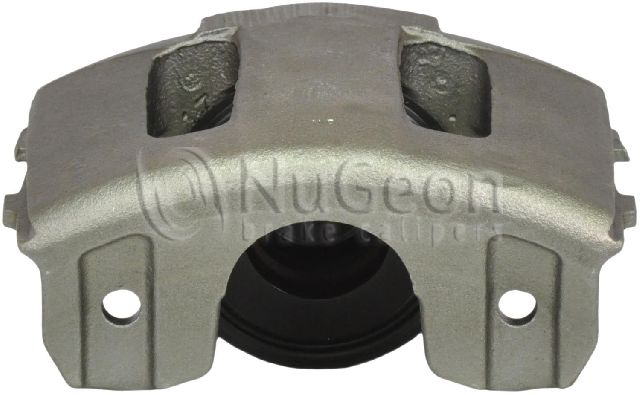
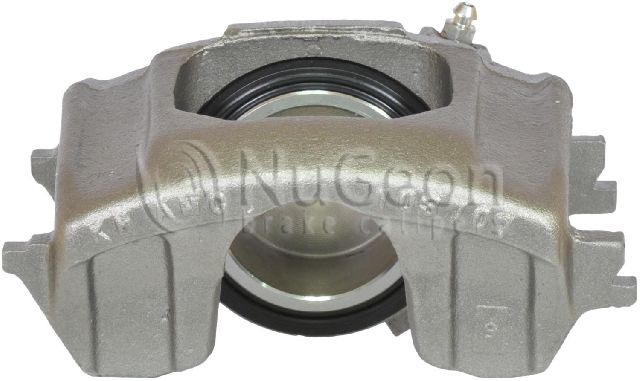
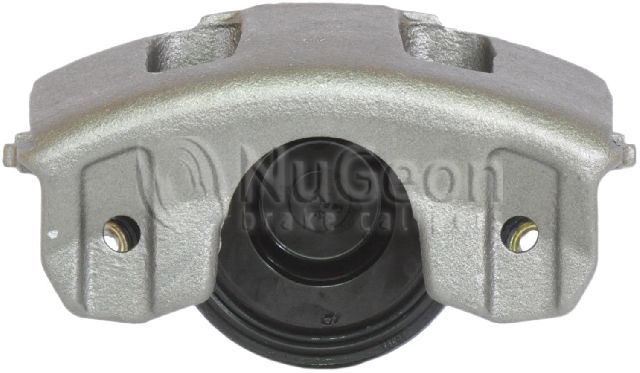
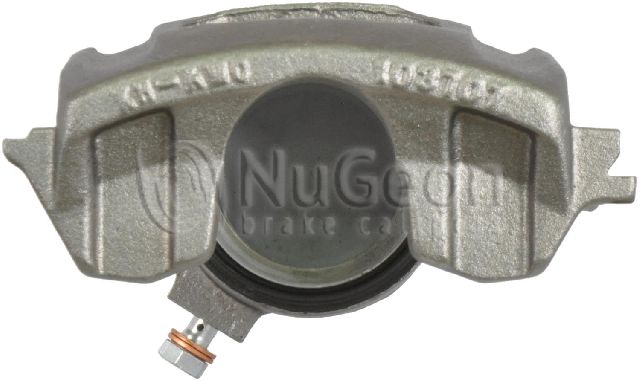
Fits 1987-1995 YJ and 1997-2002 TJ Wrangler models. All front calipers on these models are of a single-piston, floating design. The primary difference in aftermarket options is the piston material (phenolic or steel) and whether the caliper is new or remanufactured.
We Have This Part in Stock

The information in this article is provided for general reference and educational purposes only. Vehicle specifications, procedures, and part compatibility can vary by production date, trim level, and region. Always consult your vehicle's factory service manual and verify part numbers before purchasing or performing repairs. Safety-critical components such as airbags, seat belts, and braking systems should be installed by a qualified professional.
- Jeep Wrangler:
- 🎬 Helpful Videos
- 🛍️ Shop This Part
- Is Your Wrangler's Brake Caliper Failing?
- Choosing the Right Aftermarket Caliper for Your YJ/TJ
- Piston Material: Phenolic vs. Steel
- Aftermarket Brand Tiers
- IMPORTANT: Check for Brake Hose Recall on 1987-1992 YJ
- Aftermarket Disc Brake Caliper Cost for 1987-2002 Jeep Wrangler
- Frequently Asked Questions
- 🎟️ Get 5% Off