

Choosing the Right Alternator for Your 1988-1993 Dodge W250
Keep your classic Dodge W250 properly powered by understanding its unique charging system before you buy a new alternator.
- First, diagnose the external voltage regulator; it often fails before the alternator itself, especially on 1988-1991 models.
- For Cummins models, the massive power draw from the grid heaters is normal and a key reason to consider a high-output alternator upgrade.
- Upgrading to a high-output alternator (e.g., Powermaster) is highly recommended if you have added accessories and requires upgrading the main charge wire.
- The original Nippondenso alternators are very reliable; rebuilding one is a good option if you can find a reputable shop.
Understanding Your W250's Unique Charging System
Before buying a replacement alternator for your 1988-1993 Dodge W250, you need to know about its specific design. Unlike modern trucks, these models used an external voltage regulator. This is a critical detail.
- 1988-1991 Models: These trucks have a separate voltage regulator mounted on the firewall. It's very common for this part to fail, not the alternator itself. A failing regulator can cause the voltage gauge to swing wildly or get pegged at 18+ volts, which can damage your battery and electronics.
- 1992-1993 Models: Dodge moved the voltage regulator function inside the main computer, called the Powertrain Control Module (PCM). If the regulator circuit in the PCM fails, it can be expensive to fix. A common solution for a failed PCM regulator is to bypass it and install an older-style external regulator kit.
Pro Tip: Diagnose First!
If your voltage gauge is acting erratically, have the voltage regulator tested before you buy a new alternator. The alternator might be perfectly fine, and you could save yourself time and money by just replacing the regulator.
Signs of a Failing Alternator
Even with the regulator issues, the alternator itself can still wear out. Here are the common signs:
- Dimming or Flickering Lights: Headlights and dash lights may dim, especially at idle, or flicker as the alternator struggles to provide consistent power.
- Weak or Dead Battery: The alternator isn't recharging the battery, leading to slow engine cranking or needing frequent jump-starts.
- "Check Gauges" or Battery Light: A warning light on your dashboard is a clear signal of a charging system problem.
- Whining or Grinding Noises: Worn-out bearings inside the alternator can produce a distinct whining or grinding sound that changes with engine speed.
- Electrical Gremlins: Power windows, the radio, or the blower motor may work intermittently or slowly.
Cummins Grid Heater Draw is Normal
If you own a Cummins-powered W250, you will notice the lights dimming and the voltage gauge dipping significantly for a few minutes after a cold start. This is normal. The intake grid heaters pull over 200 amps of power to warm the engine, putting a heavy but temporary load on the alternator. Do not mistake this for a failing alternator.
Choosing the Right Aftermarket Alternator
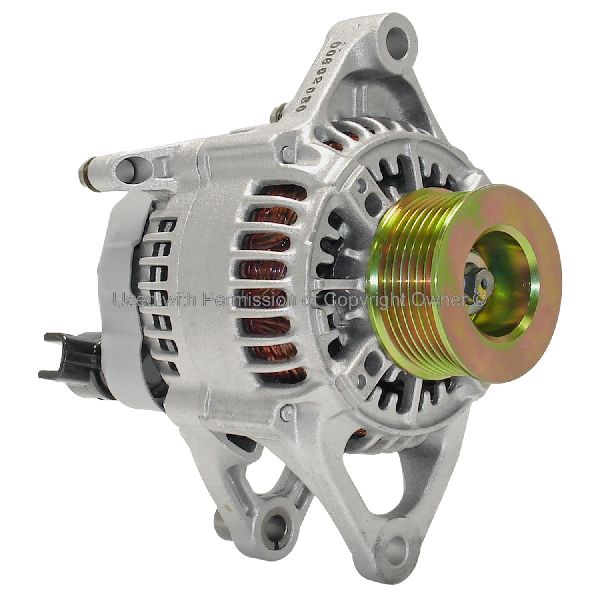
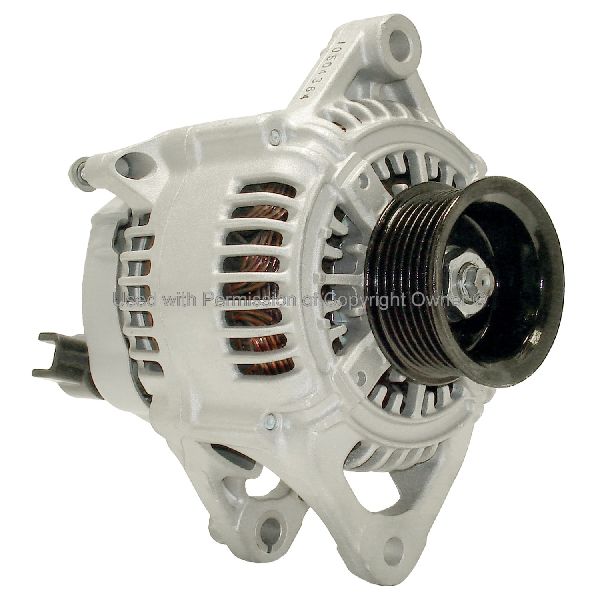
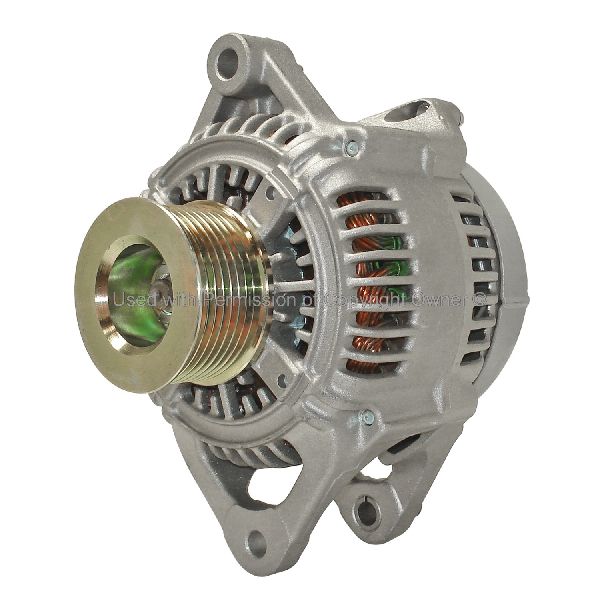
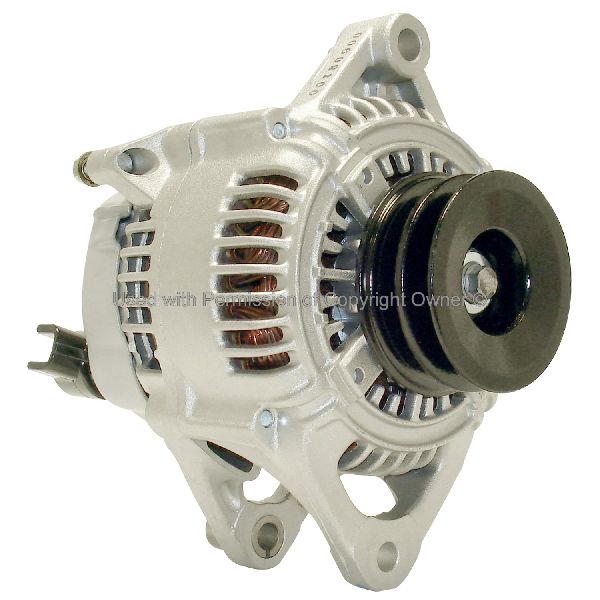
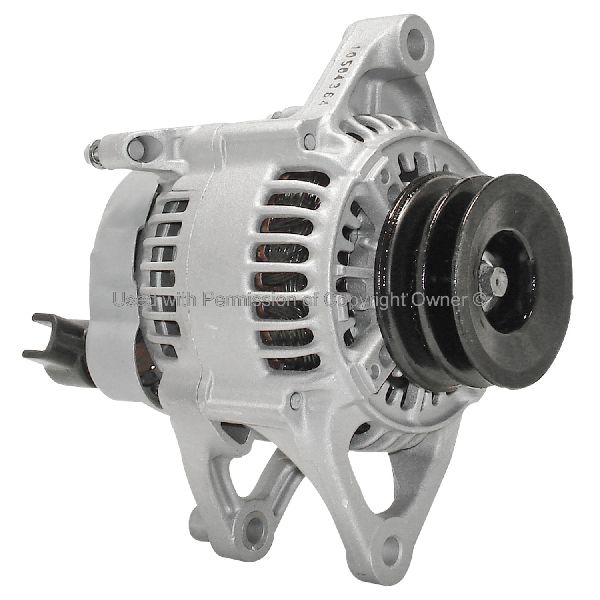
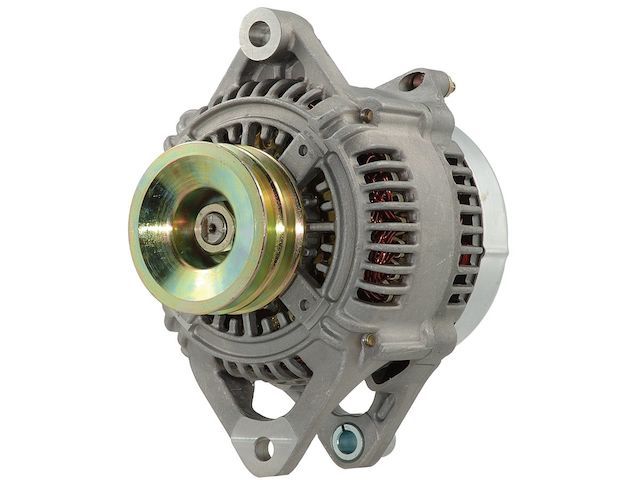
The original Nippondenso alternators on these trucks were very durable. While finding a new one is difficult, you have several good aftermarket options. They generally fall into three tiers.
| Brand Tier | Brands | Best For | Notes |
|---|---|---|---|
| Standard Replacement | BBB Industries, MPA, Remy, Skyward | A budget-friendly, stock-power replacement for a truck with no extra electrical accessories. | Quality can be inconsistent with remanufactured units. Many owners suggest a new unit is a safer bet than a store-brand reman. |
| OE-Quality Replacement | ACDelco, Bosch | Owners looking for reliability and performance similar to the original factory part. | These brands have a strong reputation for quality and are often recommended on owner forums. They are a solid choice for a mostly stock truck. |
| High-Output / Performance | Powermaster | Trucks with added electrical loads like winches, extra lights, snowplows, or upgraded stereos. Also a great upgrade for Cummins owners to better handle grid heater loads. | These offer significantly more amperage (160A+). Upgrading often requires you to also upgrade the main charge wire from the alternator to the battery (known as the "Big 3 Upgrade"). |
Frequently Asked Questions
Do I need a high-output alternator?
If your truck is stock, you probably don't need one. However, if you have a Cummins diesel, a high-output alternator (120A or more) provides a big advantage in helping the batteries recover after a cold start with the grid heaters. If you've added any high-draw accessories like a winch, plow, or large sound system, a high-output alternator is strongly recommended.
What is a "1-wire" alternator?
A 1-wire alternator has an internal voltage regulator and only needs the main battery cable connected to function. This can be a great solution for 1992-93 W250 owners with a failed PCM, as it completely bypasses the factory regulator circuit. It's also popular for engine swaps due to the simplified wiring.
Are there any recalls on the alternator for my W250?
No. Searches of the National Highway Traffic Safety Administration (NHTSA) database show no open recalls for the alternator on the 1988-1993 Dodge W250.
What about the core charge?
Most replacement alternators, especially remanufactured ones, will have a core charge. This is a deposit that you get back when you return your old alternator to the store. Be sure to keep your old part and the receipt to get your refund.
Technical Specifications
Voltage: 12V. Amperage: Varies by engine and options, typically 90A to 120A for stock replacements. Regulator: External (firewall-mounted on '88-'91, PCM-controlled on '92-'93).
We Have This Part in Stock

The information in this article is provided for general reference and educational purposes only. Vehicle specifications, procedures, and part compatibility can vary by production date, trim level, and region. Always consult your vehicle's factory service manual and verify part numbers before purchasing or performing repairs. Safety-critical components such as airbags, seat belts, and braking systems should be installed by a qualified professional.
- Dodge W250: