

GMC C1500 Engine Oil Pressure Switch & Sender Guide (1988-1993)
Fix your bouncy or dead oil pressure gauge with the right part for your truck.
- A gauge reading zero or max is almost always a bad sensor, not a bad engine.
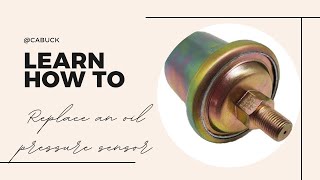
- Visually inspect your old part to see if you need a 1-wire or 3-wire connector before buying.
- The sensor is located in a tight spot behind the distributor; a special socket makes the job much easier.
- Do not drive if the oil light comes on or the gauge reads zero until you have checked the oil level.
Is Your Oil Pressure Gauge Acting Up?
A faulty oil pressure switch is a common issue on GMT400 trucks like your C1500. The symptoms are usually obvious and shouldn't be ignored. Because this sensor is tied to your engine's lubrication system, a failure can leave you guessing about the health of your engine. Luckily, it's a straightforward part to replace.
🎬 Watch: Step-by-step guide to replacing your oil pressure sensor.Common Failure Symptoms
- Gauge Reads Zero: The most common sign is the oil pressure gauge dropping to zero and staying there, even when the engine is running. This usually points to a failed sensor rather than an actual loss of oil pressure.
- Gauge Maxed Out: The gauge needle might get stuck at the maximum reading, often 80 PSI. This is another clear sign of an electrical failure within the sending unit.
- Flickering or Bouncing Gauge: A needle that jumps around erratically is a classic symptom of a sensor that's on its way out.
- Oil Leaks: The sensor itself can develop leaks over time. You might see oil residue on the sensor or drips on the ground from the back of the engine.
Don't Ignore a Zero Reading
While a bad sensor is the most likely cause for a zero reading on the gauge, you should not continue to drive. Always verify your engine oil level first. If the oil level is correct, it's safest to assume you might have a real oil pressure problem and get the truck checked out to avoid catastrophic engine damage.
🎬 Watch: How to test your actual oil pressure and switch.Choosing the Right Aftermarket Switch
For the 1988-1993 C1500, there can be confusion about which part you need. Some early models used two separate units: one for the gauge and one for the fuel pump circuit. Later models combined these into a single three-prong unit. It is critical to visually inspect your current part before ordering.
Pro Tip: Check Your Connector
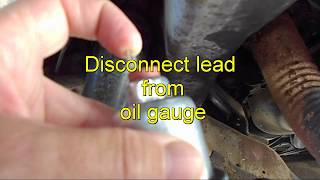
The easiest way to get the right part is to look at the sensor on your engine. See if it has a single-wire connector or a three-wire connector. The location is typically at the top of the engine block, behind the distributor, which can be hard to reach.
When it comes to brands, quality can vary. Many owners of older GM trucks prefer to stick with AC Delco (the original part manufacturer) when possible, citing better reliability. However, quality aftermarket brands can offer a good balance of price and performance.
- Standard Ignition (Standard Motor Products): Generally considered a higher-quality aftermarket brand with a long history. They often use high-quality materials and test their parts thoroughly. However, some users have reported premature failures, making brand loyalty a mixed bag.
- Rostra Powertrain: Rostra is a known manufacturer of various automotive electronics. Their parts are presented as OE-replacement quality, but user reviews specific to this application are less common than for Standard or AC Delco.
- Global Parts: This brand likely falls into the budget-friendly category. While it may save you money upfront, long-term durability can be a concern for critical sensors like this one.
Cost of a New Engine Oil Pressure Switch (1988-1993 GMC C1500)
| Part Type | Typical Cost |
|---|---|
| New Aftermarket | $13.93 - $73.13 |
| Shop Labor | $75 - $150 |
Cost estimates are for the part only and do not include taxes or shipping. Labor costs are estimates and will vary by location and shop.
Frequently Asked Questions
Where is the oil pressure switch on my C1500?
For most 1988-1993 models, the main oil pressure sending unit is located at the top rear of the engine block, just behind the distributor cap. 🎬 See this walkthrough for reaching that tricky sensor location. It is in a tight spot and can be difficult to see and reach. Some earlier models may have a second switch for the gauge located on the driver's side of the block, near the oil filter.
Do I need a special tool to replace it?
Yes, a special socket is highly recommended. An oil pressure switch socket is designed to fit over the sensor's unusual shape and plastic connector. Trying to use regular pliers or wrenches can easily damage the new or old sensor.
My new switch is leaking. What went wrong?
First, ensure the switch is tightened properly. It should be snug, but do not overtighten, as this can crack the sensor or the engine block fitting. Second, do not use plumber's tape on the threads unless the part specifically calls for it. Most new sensors come with a pre-applied thread sealant. Using additional tape can interfere with the sensor's ground connection, leading to incorrect gauge readings.
Are there any recalls for this part?
As of now, there are no specific recalls from the NHTSA for the engine oil pressure switch on the 1988-1993 GMC C1500. Always check for the latest recall information using your vehicle's VIN on the NHTSA website.
Helpful Videos

Technical Specifications
OEM Part Numbers: 12677836 D1846A
Varies by model year. Can be a single-terminal switch or a three-terminal switch/sender combination. The three-terminal version often serves as a redundant power source for the fuel pump.
We Have This Part in Stock


The information in this article is provided for general reference and educational purposes only. Vehicle specifications, procedures, and part compatibility can vary by production date, trim level, and region. Always consult your vehicle's factory service manual and verify part numbers before purchasing or performing repairs. Safety-critical components such as airbags, seat belts, and braking systems should be installed by a qualified professional.
- GMC C1500: