

Engine Coolant Temperature Sensor for 1988-1994 Chevrolet C3500
Fix poor fuel economy, rough idle, and incorrect temperature gauge readings by understanding and replacing the right sensor.
- Identify the correct part: Your truck has two sensors. The two-wire ECT sensor near the thermostat controls the engine, while the one-wire sender on the head controls the gauge.
- Symptoms point to the problem: Poor engine performance and a Check Engine Light point to a bad ECT sensor. A faulty gauge reading points to a bad sender.
- Replacement is simple: Replacing the sensor is a quick, easy job for a DIYer with basic tools, requiring less than 30 minutes.
- Quality aftermarket is a smart buy: Reputable aftermarket brands like Delphi, NGK, or Standard Ignition offer reliable performance at a good price for this vehicle.
Is Your Truck Running Rough or Getting Bad Gas Mileage?
If your 1988-1994 Chevrolet C3500 is experiencing issues like poor fuel economy, a rough idle, or an inaccurate temperature gauge, a faulty Engine Coolant Temperature (ECT) sensor could be the culprit. This small sensor plays a big role in how your engine performs. It tells the engine's computer how hot the coolant is, which affects everything from the fuel mixture to the ignition timing.
Two Different Sensors, One Common Problem
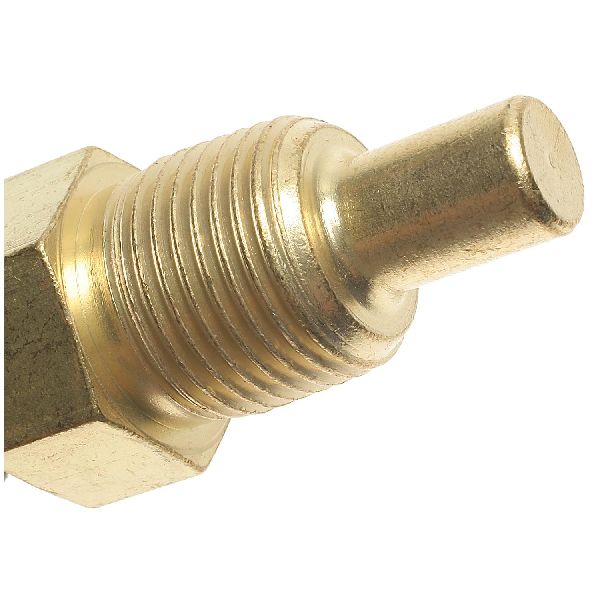
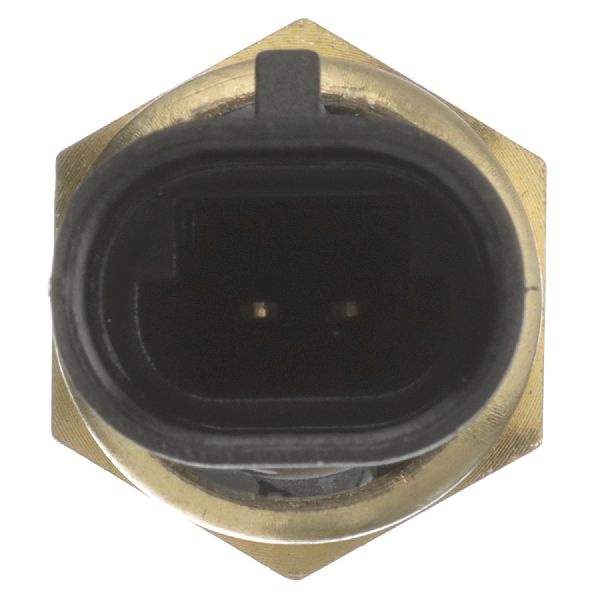
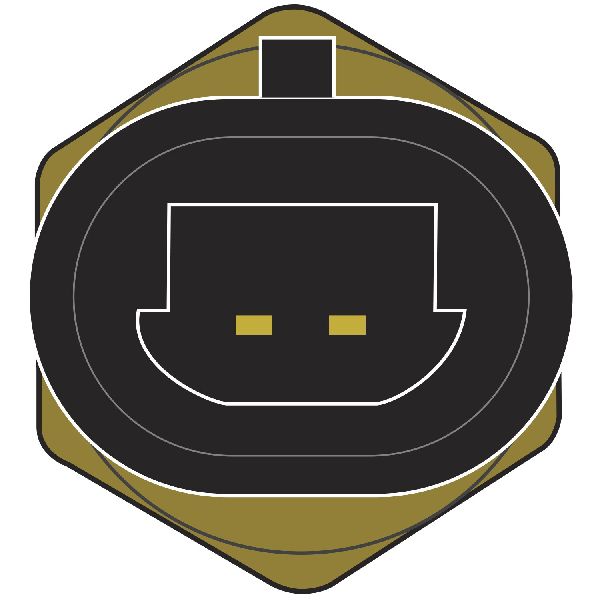
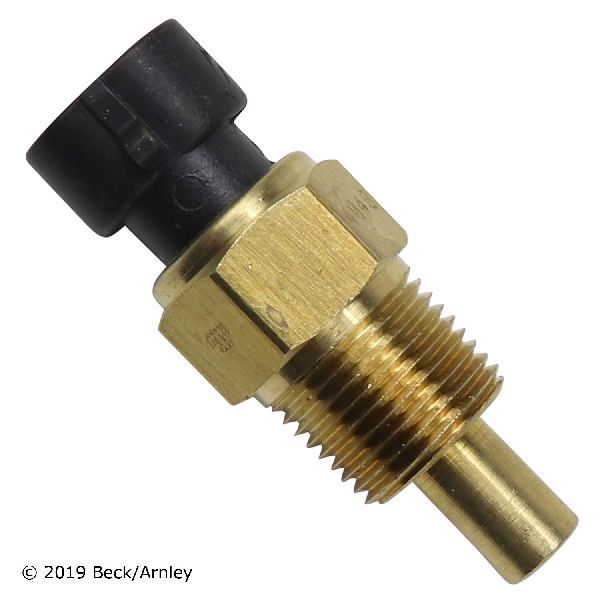
A common point of confusion on these GMT400 trucks is the presence of two temperature-related sending units. The Engine Coolant Temperature (ECT) Sensor is for the engine computer (ECM). It has two wires and is typically located on the front of the intake manifold near the thermostat housing. A failure here will affect engine performance and can trigger a Check Engine Light. The Coolant Temperature Sender (or switch) is for the dashboard temperature gauge. It usually has a single wire and is located on the driver's side cylinder head. If your gauge is acting up but the truck runs fine, the sender is the likely problem. This guide focuses on the ECT sensor for the computer.
Symptoms of a Failing ECT Sensor
When the ECT sensor fails, it sends incorrect information to the engine's computer. This can lead to several noticeable problems:
- Poor Fuel Economy: If the sensor wrongly tells the computer the engine is cold, the computer will enrich the fuel mixture, causing the engine to use more gas than necessary.
- Black Smoke from Exhaust: A rich fuel mixture can result in unburnt fuel exiting through the exhaust, creating black smoke.
- Rough Idle and Stalling: An incorrect fuel mixture can cause the engine to idle poorly, hesitate, or even stall.
- Check Engine Light: A faulty sensor can trigger diagnostic trouble codes like P0117 (circuit low) or P0118 (circuit high), illuminating the Check Engine Light.
- Engine Overheating: While less common, a faulty sensor can fail to trigger the cooling fans or adjust performance to prevent overheating.
Choosing the Right Aftermarket ECT Sensor
For a vehicle like the '88-'94 C3500, a high-quality aftermarket ECT sensor is a reliable and cost-effective choice. OEM parts (ACDelco) are excellent but can be more expensive. Many aftermarket brands offer parts that meet or exceed original specifications.
Here’s a breakdown of available brands to help you choose:
- OEM-Grade Aftermarket (Top Tier): Brands like Delphi and NGK are often original equipment suppliers to many automakers and are known for their quality and reliability. Standard Ignition (SMP) is a highly respected aftermarket brand with a long history of producing dependable sensors. These are excellent choices for a direct, reliable replacement.
- Quality Aftermarket (Mid-Tier): Brands such as Beck Arnley, Hella, and Holstein provide good quality parts that offer a balance between price and performance. They are a solid choice for most repairs.
- Value-Oriented (Standard Tier): Brands like Four Seasons, Global Parts, and True Tech offer functional replacements at a very competitive price point. These are suitable for budget-conscious repairs.
| Brand Tier | Price Range |
|---|---|
| OEM-Grade (Delphi, NGK, Standard Ignition) | $25 - $38 |
| Quality Aftermarket (Beck Arnley, Hella) | $18 - $30 |
| Value-Oriented (Four Seasons, etc.) | $12 - $22 |
Pro Tip: Quick and Easy Replacement
Replacing the ECT sensor is a simple job. Make sure the engine is completely cool. Have the new sensor ready to go. When you unscrew the old sensor, a small amount of coolant will leak out. Quickly install the new sensor to minimize coolant loss. Don't forget to top off your coolant afterward.
Frequently Asked Questions (FAQ)
Where is the ECT sensor located on my C3500?
The main Engine Coolant Temperature (ECT) sensor for the computer is typically located on the front of the intake manifold, near the thermostat housing. It will have a two-wire electrical connector. The sender for the dash gauge is usually on the driver's side cylinder head, between the first and third spark plugs.
Can I replace the ECT sensor myself?
Yes, this is a very DIY-friendly job. It typically requires only basic hand tools, such as a deep socket or wrench (often 19mm or 13/16"). The job can usually be completed in under 30 minutes. Ensure the engine is cool before starting to avoid burns and pressure release from the cooling system.
Do I need to drain the coolant to replace the sensor?
You do not need to drain the entire cooling system. Some coolant will leak out when the sensor is removed. To minimize loss, have the new sensor ready to thread in immediately after removing the old one. You can also slightly loosen the radiator cap (on a cold engine) to release any residual pressure. Always check and top off the coolant level after replacement.
How do I know if I need the sensor or the sender?
If you are experiencing engine performance issues like poor mileage, rough idle, or a Check Engine Light, the two-wire ECT sensor for the computer is the likely cause. If your engine runs fine but the temperature gauge on your dashboard is not working or reads incorrectly, the single-wire temperature sender is the part you need to replace.
Technical Specifications
OEM Part Numbers: 12146312 15326386 213-4514 213-77
The ECT sensor for the ECM has a two-pin connector and is typically located in the intake manifold. The temperature sender for the gauge has a single-pin or spade connector and is located in the cylinder head.
We Have This Part in Stock


The information in this article is provided for general reference and educational purposes only. Vehicle specifications, procedures, and part compatibility can vary by production date, trim level, and region. Always consult your vehicle's factory service manual and verify part numbers before purchasing or performing repairs. Safety-critical components such as airbags, seat belts, and braking systems should be installed by a qualified professional.
- Chevrolet C3500: