

Throttle Position Sensor Guide for the 1988-1994 GMC K3500
Fix poor acceleration and rough idling on your GMT400 truck by understanding and choosing the right throttle position sensor.
- Symptoms of a bad TPS include hesitation, rough/high idle, stalling, and a 'Service Engine Soon' light with codes 21 or 22.
- For best results, choose a premium aftermarket brand like Delphi, ACDelco, or Standard Motor Products, as they have a strong reputation for reliability.
- Replacement is a simple DIY task, requiring only a T-25 Torx driver and basic tools, and can be completed in under 30 minutes.
- No complex 'relearn' procedure is needed; disconnecting the battery for a few minutes after installation is a common practice to reset the ECM.
Symptoms of a Failing Throttle Position Sensor
A bad TPS can make your truck difficult to drive. Because it sends incorrect information to the engine's computer, a failing sensor can mimic other fuel or ignition problems. Watch for these common signs:
- Hesitation or Stumbling: The truck may hesitate or bog down when you press the gas pedal.
- Rough or High Idle: Your engine might idle erratically, surging up and down, or idling much higher than normal.
- Poor Acceleration: You might feel a noticeable lack of power, and the truck may not want to accelerate even when you floor it.
- Stalling: The engine can stall unexpectedly, especially when you come to a stop or when it's idling.
- Check Engine Light: These trucks use an OBD-I system. A failing TPS can trigger a "Service Engine Soon" light, often with codes 21 (signal voltage too high) or 22 (signal voltage too low).
Watch Out for Water
The TPS is an electronic sensor that is sensitive to moisture. Power washing the engine bay or driving through deep mud and water can cause a sensor to fail prematurely. Many owners report problems starting after the sensor gets wet.
Choosing the Right Aftermarket TPS
For an older truck like the '88-'94 K3500, you have many aftermarket options. The original ACDelco parts are often preferred, but some aftermarket brands offer comparable quality. It's generally best to avoid the cheapest, no-name brands for electronic sensors, as they can be unreliable right out of the box.
Brand Quality Tiers
- Premium Brands (Recommended): These brands are often original equipment (OE) suppliers or have a strong reputation for quality electronic components. They are your most reliable choice for a long-lasting repair.
Brands: Delphi, ACDelco, Standard Motor Products (SMP) - Standard Aftermarket: These brands are widely available and offer a balance of price and quality. They are a good option for budget-conscious repairs, though quality can sometimes be inconsistent.
Brands: Beck Arnley, Dorman, Walker Products, NGK - Budget-Friendly: These are the most affordable options. While tempting, they carry a higher risk of being faulty out of the box or having a shorter service life. Use with caution.
Brands: Replacement, Global Parts, True Tech
Pro Tip: Consider the Source
Delphi was a part of General Motors, so their parts are often identical to the original ACDelco components. Standard Motor Products is another well-regarded manufacturer, with many forum users trusting their electronic parts. When in doubt, sticking with one of these premium brands is a safe bet.
Typical Cost for a New TPS
The price for a new throttle position sensor can vary significantly based on the brand's quality and reputation. Labor costs are generally low due to the simplicity of the job.
| Part/Service | Estimated Cost |
|---|---|
| Premium Aftermarket TPS Part | $45 - $90 |
| Standard Aftermarket TPS Part | $25 - $55 |
| Shop Labor | $50 - $100 |
| Total Professional Replacement | $75 - $190 |
Frequently Asked Questions
Is replacing the TPS a difficult job?
No, this is a very easy job for a DIYer. The TPS is located on the side of the throttle body and is held on by two T-25 Torx screws. The process involves removing the air cleaner housing, unplugging the sensor, removing the two screws, and swapping the part. The entire job typically takes less than 30 minutes.
Do I need to calibrate or "relearn" the new TPS?
For the 1988-1994 model years, a specific electronic "relearn" procedure is not typically required like on newer vehicles. However, after installation, the engine's computer will adjust to the new sensor. Some owners recommend disconnecting the battery for about 5-10 minutes to reset the ECM, which can help it adapt more quickly. If you experience a high idle after replacement, it should settle down after a few drive cycles.
Can a bad TPS cause transmission shifting problems?
Yes. The engine computer shares TPS data with the transmission control module to help determine shift points. A faulty sensor can send incorrect data, leading to delayed, rough, or erratic shifting in automatic transmissions.
What tools do I need to replace the TPS?
You will need basic hand tools. A T-25 Torx bit or screwdriver is the most important tool for the sensor's mounting screws. You may also need a flathead screwdriver or a socket set to remove the air cleaner assembly.
Technical Specifications
OEM Part Numbers: 19187340 213-918 213-3859 25036663
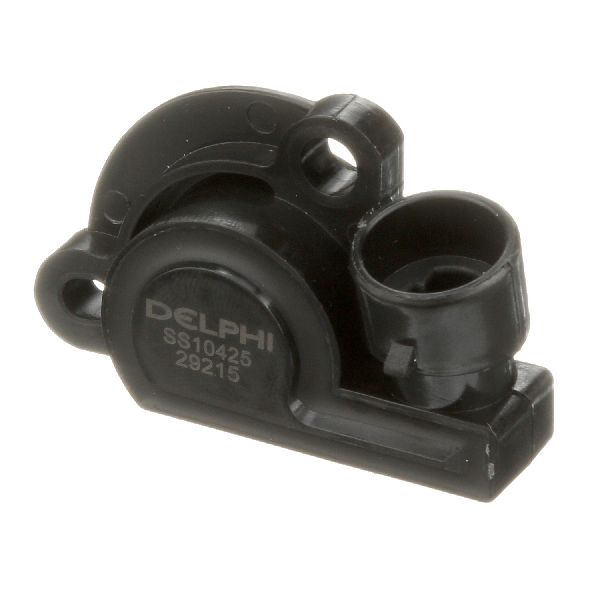
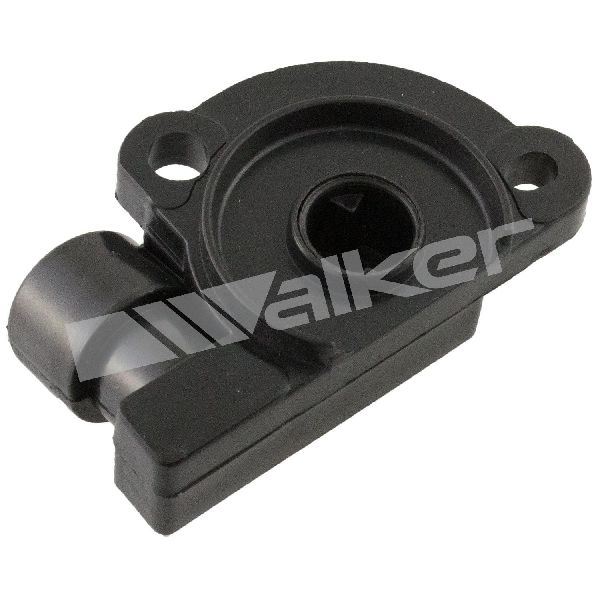
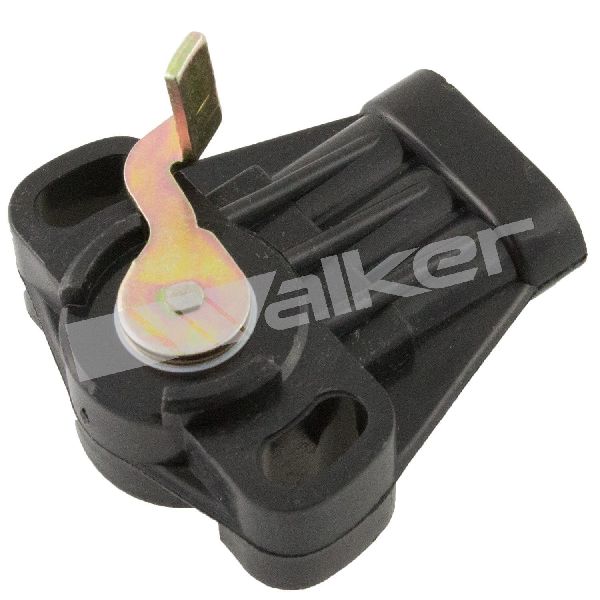
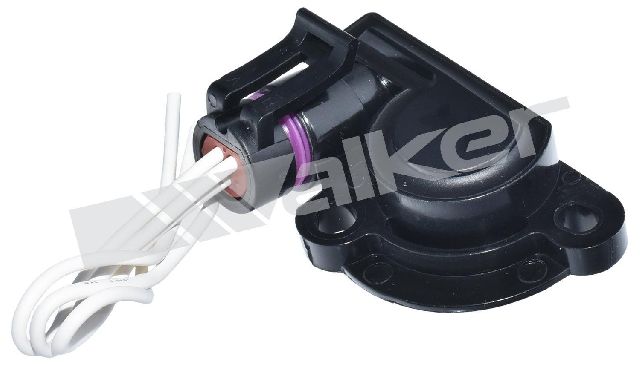
This sensor is a 3-pin potentiometer style sensor, typically mounted to the side of the throttle body with two T-25 Torx screws. It operates on a 5-volt reference signal from the ECM.
We Have This Part in Stock


The information in this article is provided for general reference and educational purposes only. Vehicle specifications, procedures, and part compatibility can vary by production date, trim level, and region. Always consult your vehicle's factory service manual and verify part numbers before purchasing or performing repairs. Safety-critical components such as airbags, seat belts, and braking systems should be installed by a qualified professional.
- GMC K3500: