

Choosing a Replacement Catalytic Converter for Your 1988-1995 Audi 90
Keep your classic Audi 90 running clean and strong by understanding your options for a new aftermarket catalytic converter.
- Verify your Audi 90's engine (5-cylinder or V6) and year before ordering, as B3 and B4 models have different exhaust systems.
- A direct-fit converter is strongly recommended over a universal one to avoid welding and ensure proper installation.
- Fix any engine running issues like oil burning or a rich fuel mixture before replacing the converter to prevent damaging the new part.
- If you live in CA, CO, NY, or ME, you must purchase a specific CARB-compliant converter; standard 49-state converters are not legal there.
Signs of a Failing Catalytic Converter
When the catalytic converter on your Audi 90 starts to fail, your car will give you several warning signs. Because these vehicles pre-date modern OBD-II diagnostics, paying attention to physical symptoms is key.
- Loss of Power: If the converter is clogged, it restricts exhaust flow, choking the engine. You'll notice sluggish acceleration and a general lack of power.
- Rattling Noise: The ceramic honeycomb inside the converter can break apart over time. You might hear a rattling sound from underneath the car, especially on startup or at low speeds.
- Rotten Egg Smell: A strong smell of sulfur or rotten eggs from the exhaust is a classic sign. This means the converter isn't properly processing the exhaust gases.
- Poor Fuel Economy: A clogged converter makes your engine work harder, which means it will burn more fuel.
- Check Engine Light: While less sophisticated than modern systems, a check engine light on later models can still indicate an emissions-related problem.
Generation and Engine Differences
The 1988-1995 Audi 90 spans two generations: the B3 (1988-1992) and the B4 (1993-1995). The B3 models primarily used a 5-cylinder engine, while the B4 introduced a V6. These engines have different exhaust systems. It is critical to order a catalytic converter that is specified for your exact year and engine type (I5 or V6) to ensure proper fitment.
Choosing the Right Aftermarket Converter
For a vehicle of this age, an aftermarket converter is the most common and cost-effective choice. OEM parts are likely discontinued or extremely expensive. Aftermarket quality can vary, but several reputable brands offer reliable options.
| Brand Tier | Brands | Typical Characteristics |
|---|---|---|
| Economy / Standard | AP Exhaust, Eastern Catalytic, Walker Exhaust | These brands provide functional, EPA-compliant replacements that meet federal emissions standards. They are a cost-effective solution for getting your car back on the road and passing emissions tests in most states. While they may not have the same longevity or high-grade materials as premium options, they are a solid choice for daily drivers. |
| Premium / Performance | MagnaFlow, MagnaFlow Performance Exhaust | MagnaFlow is known for high-quality stainless steel construction and high-flow designs that can improve exhaust efficiency. While more expensive, they often offer better durability and a slight performance benefit. These are a good option if you prioritize longevity and build quality. |
A Note on Universal vs. Direct-Fit
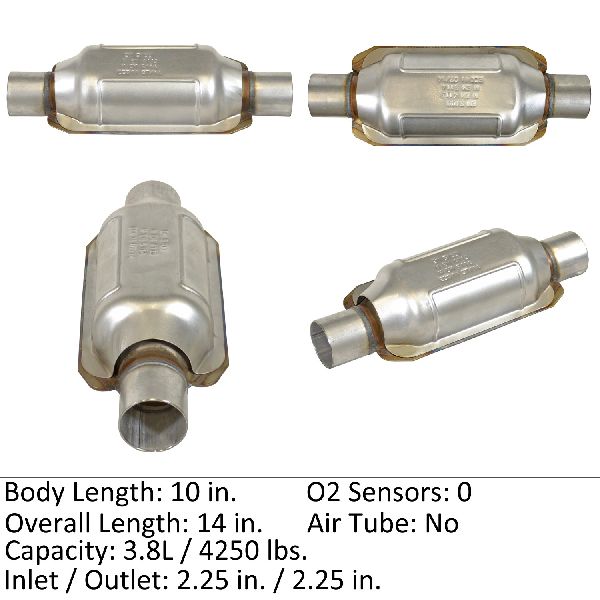
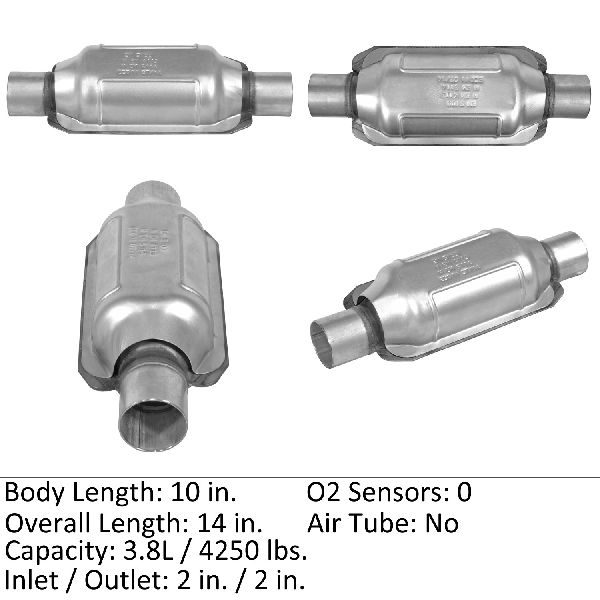
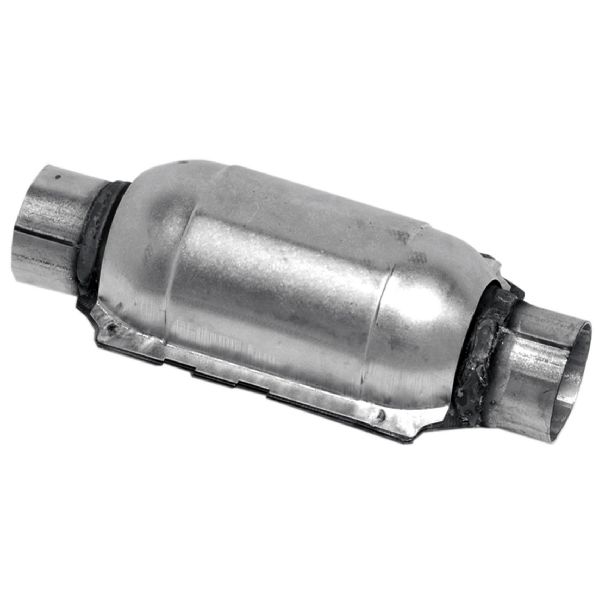
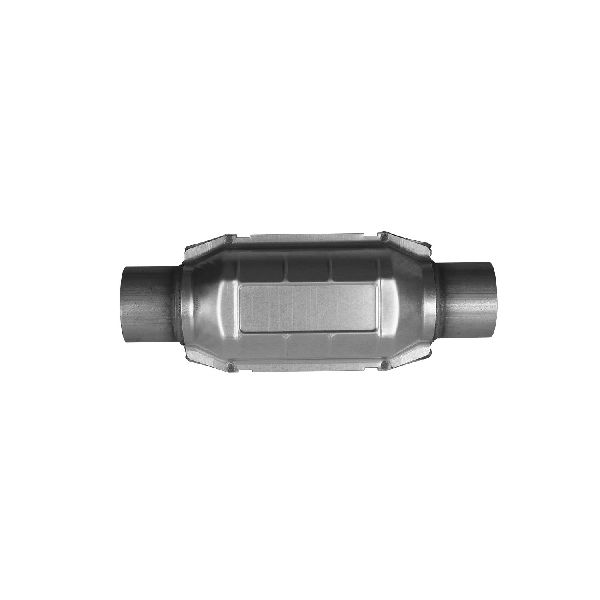
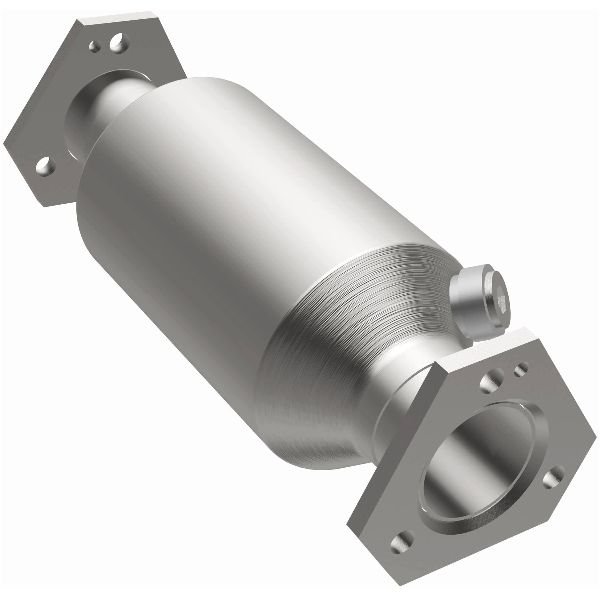
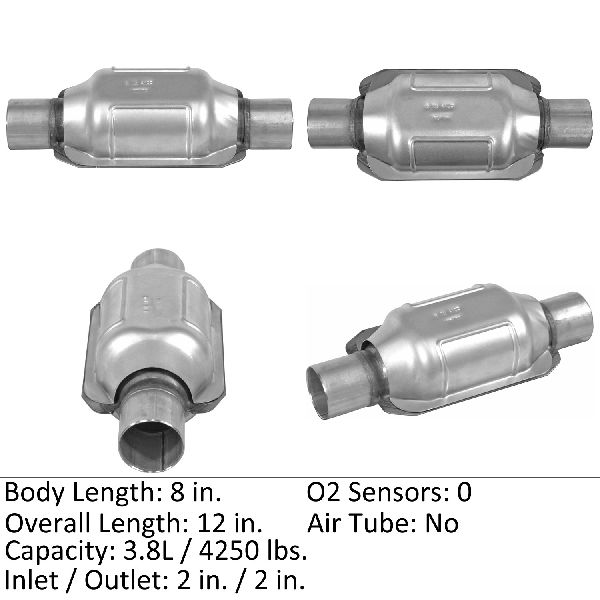
Many aftermarket converters are offered in "universal" or "direct-fit" styles. A direct-fit part is designed to bolt right into your Audi 90's specific exhaust system without modification. A universal converter requires cutting and welding for installation. For a straightforward repair, a direct-fit model is highly recommended.
Frequently Asked Questions (FAQ)
Do I need a special converter for California, New York, or Colorado?
Yes. States with stricter emissions standards (like CA, NY, CO, ME) require CARB-compliant catalytic converters. Most aftermarket converters for this vehicle are EPA-compliant (49-state legal) and cannot be legally sold or installed in these states. Always check your local regulations before purchasing.
Will a new aftermarket converter last as long as the original?
Generally, an original equipment (OEM) converter has a higher concentration of precious metals and may last longer. However, for a 30-year-old vehicle, a quality aftermarket converter from a brand like MagnaFlow or Walker is a reliable and practical choice that should provide many years of service, provided the engine is in good running condition.
What causes a catalytic converter to fail?
Aside from old age and physical damage, engine problems are the primary cause of premature converter failure. An engine that burns oil or runs rich (too much fuel) can send unburned fuel into the exhaust, which can overheat and melt the converter's internal structure. Always fix any underlying engine issues before installing a new converter.
Is there a recall for the Audi 90 catalytic converter?
No, searches of the National Highway Traffic Safety Administration (NHTSA) database did not show any recalls specifically for the catalytic converter on the 1988-1995 Audi 90.
Technical Specifications
Fitment varies by engine type (5-cylinder vs. V6) and model year (B3 vs. B4 chassis). Most aftermarket options are EPA-compliant (49-state) and may be direct-fit or universal. Stainless steel construction is preferred for longevity.
We Have This Part in Stock

The information in this article is provided for general reference and educational purposes only. Vehicle specifications, procedures, and part compatibility can vary by production date, trim level, and region. Always consult your vehicle's factory service manual and verify part numbers before purchasing or performing repairs. Safety-critical components such as airbags, seat belts, and braking systems should be installed by a qualified professional.
- Audi 90: