

Chevrolet C3500 Distributor Ignition Pickup Guide (1988-1995)
Diagnosing and replacing the distributor pickup coil in your 1988-1995 Chevrolet C3500 to solve stalling and no-start problems.
- A failing pickup coil causes stalling (especially when hot) and no-start conditions.
- Replacement requires removing the distributor and re-setting ignition timing.
- It is highly recommended to also replace the ignition control module (ICM) at the same time.
- Consider replacing the entire distributor assembly as a cost-effective and reliable alternative to changing just the coil.
Is Your Truck Stalling or Refusing to Start?
A failing distributor ignition pickup is a common issue on the 1988-1995 Chevrolet C3500 that can leave you stranded. Because it is the primary trigger for the ignition system, its failure leads to a loss of spark. Symptoms often start small but will worsen until the truck doesn't start at all. Recognizing the signs early can save you from a tow.
Common Symptoms of a Bad Pickup Coil
- Engine Stalls, Especially When Hot: The most classic symptom. The truck may run fine when cold, but as the engine bay heats up, the pickup coil's internal wiring can fail, cutting the signal and stalling the engine. After cooling down, it might start and run again for a short time.
- No-Start Condition: The engine will crank over strongly, but it will not fire up. This happens because the pickup coil has completely failed and is not sending any signal to the ignition module.
- Engine Misfires or Sputtering: Before it fails completely, a weak or erratic signal from the pickup coil can cause the engine to misfire, hesitate, or run rough.
- Reduced Power and Acceleration: An inconsistent spark signal means the engine isn't running efficiently, leading to poor performance.
Choosing Your Aftermarket Pickup Coil
For the 1988-1995 C3500, the aftermarket offers reliable and affordable solutions. The choice often comes down to brand reputation and your repair strategy.
Brand Quality
- Delphi: As a former part of General Motors, Delphi has a strong reputation for producing parts that meet or exceed original equipment (OE) specifications. Choosing a Delphi pickup coil is a solid bet for OE-level performance and longevity.
- Standard Ignition (SMP): Standard Motor Products is a long-standing, reputable aftermarket manufacturer. Their parts are a dependable choice for daily drivers and are widely available. While generally reliable, some mechanics advise against using the absolute cheapest parts available, as the labor for this job is significant enough that you don't want to do it twice.
Consider a Full Distributor Replacement
Replacing only the pickup coil requires completely removing the distributor, taking it apart on a workbench, and then reassembling it. Given the low cost of complete new aftermarket distributors (often under $100), many owners and mechanics choose to replace the entire unit. A new distributor comes with a new pickup coil, ignition control module, cap, and rotor already installed, saving significant labor and replacing all common wear items at once.
Distributor Pickup Coil Replacement Cost
The cost to replace the pickup coil depends on whether you replace the coil itself or the entire distributor assembly.
| Part/Service | Estimated Cost | Notes |
|---|---|---|
| New Aftermarket Pickup Coil | $28.95 - $29.83 | Price for the part only. Brands include Delphi and Standard Ignition. |
| New Aftermarket Distributor | $60 - $125 | Includes new pickup coil, ICM, cap, and rotor. A popular and efficient option. |
| Shop Labor | $150 - $300 | Typically 1.5-2.0 hours. Involves removing the distributor, replacing the part, reinstalling, and setting ignition timing. |
| Total (Part + Labor) | $180 - $330 | Using a new aftermarket pickup coil. |
| Total (Full Assembly + Labor) | $210 - $425 | Using a complete new distributor assembly. |
Frequently Asked Questions (FAQ)
Do I have to replace the whole distributor to change the pickup coil?
No, you can replace just the pickup coil, but it requires disassembling the distributor. This includes driving out a roll pin to remove the gear at the bottom of the shaft. Because of the extra labor and the low cost of a new distributor assembly, many find it easier and more reliable to replace the whole unit.
Should I replace the ignition control module (ICM) at the same time?
Yes, it is highly recommended. The pickup coil and ICM work together, and the failure of one can put stress on the other. Since you already have the distributor out, replacing the ICM at the same time is a smart move to prevent future breakdowns. If you buy a complete new distributor, it will come with a new ICM.
How do I know if it's the pickup coil or the ignition module?
Both can cause a no-spark condition. The pickup coil can be tested with a multimeter for resistance (typically 500-1500 ohms) and for AC voltage output while cranking. The ignition control module can often be tested for free at auto parts stores. A failure that only happens when the engine is hot often points to a bad ICM or pickup coil.
Is setting the ignition timing necessary after replacement?
Yes, absolutely. Because the distributor must be removed from the engine, you will have to reset the ignition timing after the new part or new assembly is installed. This requires disconnecting the "set timing connector" (a single tan wire with a black stripe) and using a timing light.
Technical Specifications
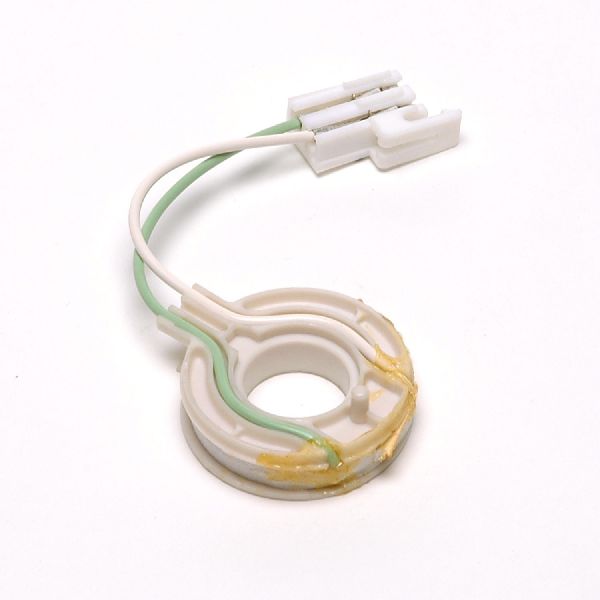
Located inside the distributor assembly. Functions as a magnetic pulse generator to trigger the ignition module.
We Have This Part in Stock


The information in this article is provided for general reference and educational purposes only. Vehicle specifications, procedures, and part compatibility can vary by production date, trim level, and region. Always consult your vehicle's factory service manual and verify part numbers before purchasing or performing repairs. Safety-critical components such as airbags, seat belts, and braking systems should be installed by a qualified professional.
- Chevrolet C3500: