

Suzuki Samurai Horn Replacement and Troubleshooting Guide (1988-1995)
A silent horn is a common problem on the Samurai, but it's usually an easy fix.
- The most common cause of horn failure on a Samurai is the horn unit itself dying from exposure to weather.
- Always test the horn directly with 12V power from the battery before assuming it's bad.
- Check the fuse and clean the electrical connectors before spending money on parts.
- Aftermarket horns are a reliable and cost-effective solution for this vehicle.
Is Your Samurai Horn Silent?
A horn that doesn't work is a frequent issue for 1988-1995 Suzuki Samurai owners. The problem is almost always caused by one of three things: a failed horn unit, a bad electrical connection, or a problem in the steering column. Because the horn is located right in the front grille, it takes a direct hit from rain, mud, and everything else on the road, causing it to fail over time. The original factory horn was also known for being weak, so many owners see a failure as an opportunity to upgrade.
Known Issues: Common Failure Points
Before you buy a new horn, it's worth checking a few things. The problem might not be the horn itself.
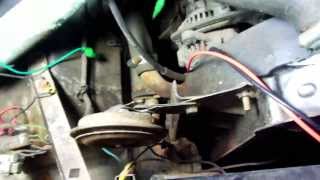
- The Horn Unit: The most common failure is the horn itself breaking due to its exposure to the elements. You can test this easily by unplugging the two wires and connecting the horn directly to your 12V battery 🎬 Watch: A step-by-step guide to troubleshooting common Samurai horn issues. with a pair of jumper wires. If it doesn't make a sound, the horn is dead.
- Corroded Connections: Check the electrical connectors at the horn for rust or corrosion. Clean them with a wire brush or sandpaper.
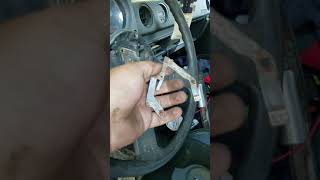
- Steering Wheel Contacts: The contacts inside the steering wheel horn button can get corroded or dirty, preventing the signal from being sent. This is more involved to clean and may require a steering wheel puller. 🎬 See how to fix the horn contacts inside your steering wheel.
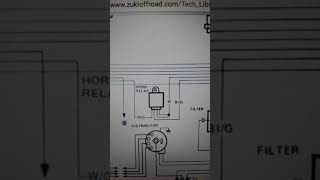
- Fuse and Relay: Always check the fuse first. On the Samurai, the horn and dome light often share a fuse. Some later models have a horn relay located under the dashboard that can also fail, though this is less common.
Choosing the Right Aftermarket Horn
For a vehicle like the Samurai, you don't need to hunt down an expensive Original Equipment (OEM) part. Aftermarket horns are affordable, readily available, and often an improvement over the quiet stock unit.
Brand Tiers
- Replacement Brand: This is your direct-fit, value-oriented choice. It's designed to work just like the original and is the most cost-effective way to get your horn working again. For a simple part like a horn, a Replacement-branded part is often all that is needed.
- Standard Ignition (SMP): Standard Motor Products is a well-known aftermarket manufacturer with a long history of producing quality components. A Standard horn is an OE-replacement style part that may use higher-quality materials, offering potentially better longevity and a more consistent sound.
Pro Tip: Since you are replacing the horn anyway, many owners opt for a slightly louder aftermarket horn or even a dual-horn kit for a more modern and effective sound. Just ensure it is a 12V horn that will fit in the space behind the grille.
Cost of a New Horn for a 1988-1995 Suzuki Samurai
| Part Type | Estimated Cost |
|---|---|
| New Aftermarket Horn | $36 - $78 |
| New OEM Horn | $30 - $60 |
| Shop Labor | $50 - $100 |
Frequently Asked Questions (FAQ)
Why did my Samurai horn stop working?
The most likely reason is that the horn unit itself has failed from exposure to weather, as it sits right behind the grille. Other common causes are corroded electrical connectors, a blown fuse, or dirty contacts in the steering wheel's horn button.
Is it hard to replace the horn on a Suzuki Samurai?
No, this is a very easy job for a DIYer. The horn is held by a single bolt and has two simple wire connections. You can typically complete the replacement in under 30 minutes 🎬 Watch this quick video to help get your horn working again. with basic hand tools.
Where is the horn located?
The horn is located directly behind the front grille, usually on one side of the radiator. You can easily see and access it by looking through the grille slats.
What should I check before buying a new horn?
First, check the fuse labeled for the horn/dome light. Second, use jumper wires to connect your existing horn directly to the car battery to see if it makes a sound. If it works, the problem is in the wiring, relay, or steering wheel button. If it doesn't, you need a new horn.
Helpful Videos

Technical Specifications
OEM Part Numbers: 38500M78153 38570M83001
Voltage: 12V, Single Bolt Mount, Two-wire connector
We Have This Part in Stock


The information in this article is provided for general reference and educational purposes only. Vehicle specifications, procedures, and part compatibility can vary by production date, trim level, and region. Always consult your vehicle's factory service manual and verify part numbers before purchasing or performing repairs. Safety-critical components such as airbags, seat belts, and braking systems should be installed by a qualified professional.
- Suzuki Samurai: