

Choosing the Right Spark Plugs for Your 1988-1995 Toyota Pickup
Get the right spark and keep your classic Toyota truck running strong with the correct new aftermarket spark plugs.
- Stick with NGK or Denso standard copper/nickel spark plugs for the best reliability and performance; they are the OEM suppliers.
- Avoid expensive iridium or platinum plugs; they are unnecessary for these engines and provide little to no benefit.
- Always check and adjust the spark plug gap to 0.032 inches before installation.
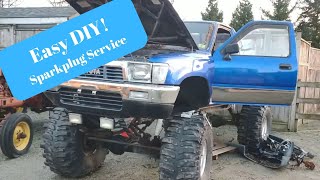
- Replacing spark plugs is an easy DIY job that can be done in under an hour with basic tools.
Signs of Failing Spark Plugs

When spark plugs wear out, they give clear signs. Your truck's simple ignition system depends on these parts to work perfectly. If you notice any of these symptoms, it might be time for a new set of plugs.
- Rough Idle: The engine may shake or sound uneven when you're stopped.
- Hard Starting: A weak spark makes it difficult for the engine to fire up, especially when cold.
- Poor Acceleration: The truck may feel sluggish or hesitate when you press the gas pedal.
- Reduced Fuel Economy: When the fuel isn't burned efficiently, your truck will use more of it.
- Engine Misfires: You might feel a stumble or jerk from the engine as a cylinder fails to fire correctly. This can sometimes trigger a check engine light.
Choosing the Right Aftermarket Spark Plugs

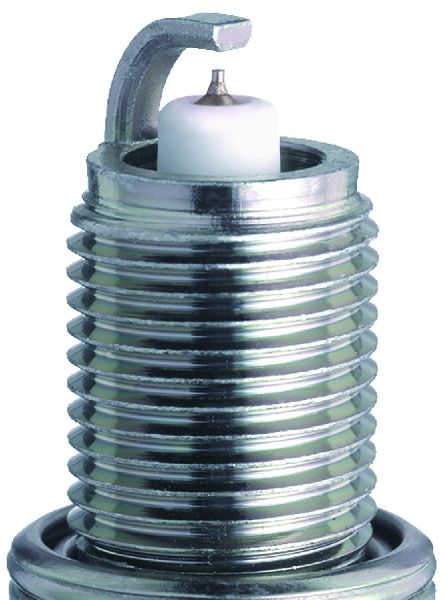
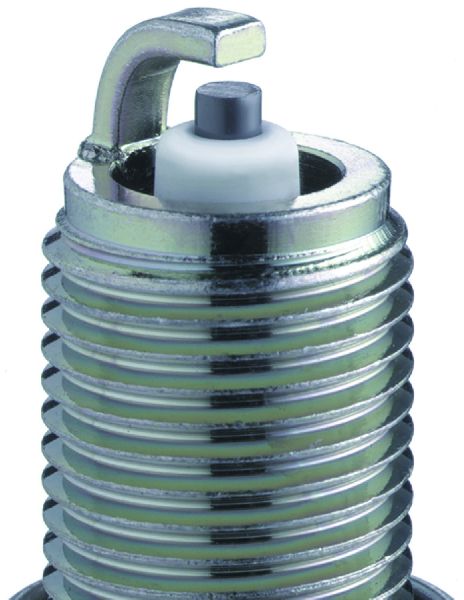
For the 1988-1995 Toyota Pickup, the original equipment (OEM) spark plugs were made by either NGK or Denso. In many cases, these are the best and most reliable options, even when buying from the aftermarket. Many owners report that sticking with the basic, OEM-style copper plugs provides the best performance for these engines.
Aftermarket Brand Tiers
| Tier | Brands | Description |
|---|---|---|
| Tier 1: OEM Equivalents | NGK, Denso | These are the original suppliers for Toyota. Standard NGK V-Power (nickel/copper) or Denso U-Groove plugs are highly recommended by experienced owners and mechanics for reliability and performance in the 22RE and 3VZ-E engines. They are affordable and work exactly as the engine was designed. |
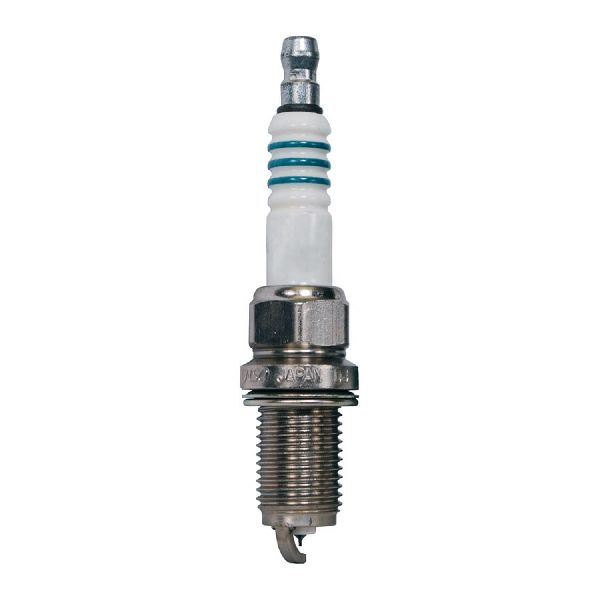
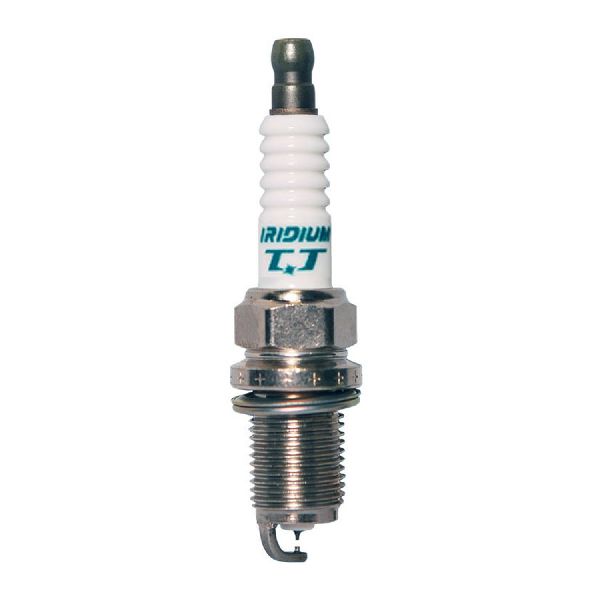
| Tier 2: Alternative Materials | NGK (G-Power, Iridium IX), Denso (Platinum, Iridium) | These plugs use platinum or iridium for the electrode tip. They last longer than standard copper plugs but are also more expensive. While they work, many owners feel they are unnecessary for these older engine designs and don't provide a noticeable performance benefit over standard plugs. |
| Tier 3: Use with Caution | Bosch, Champion, Autolite | While these brands make quality parts for other vehicles, they are not typically recommended for this specific Toyota truck. Some owners have reported running issues when using non-Japanese plug brands in these engines. It is generally best to stick with NGK or Denso. |
A Note on Platinum and Iridium Plugs
While platinum and iridium spark plugs are marketed as high-performance, long-life upgrades, they are not always the best choice for the 1988-1995 Toyota Pickup. These engines were designed for standard copper/nickel plugs. Using expensive plugs may not provide any benefit and can sometimes cause issues if not perfectly matched. The most reliable and cost-effective choice is a standard NGK or Denso plug, replaced at regular intervals.
Known Issues & Recalls
There are no specific recalls or Technical Service Bulletins (TSBs) from Toyota or the NHTSA related to spark plugs for the 1988-1995 Toyota Pickup. Most issues are related to normal wear and tear. A "no spark" condition is often caused by other parts of the ignition system, such as the distributor, ignition coil, igniter, or grounding wires, rather than the plugs themselves.
Pro Tip: Check the Gap
Always check the gap of your new spark plugs before installing them, even if they claim to be pre-gapped. The correct gap for most 22RE and 3VZ-E engines is around 0.032 inches. A simple gapping tool is a worthwhile investment to ensure your truck runs its best.
🎬 Watch: Simple maintenance tips to keep your 22RE running foreverFrequently Asked Questions (FAQ)

What is the best spark plug for my Toyota Pickup?
The overwhelming consensus from owners and mechanics is to use standard NGK or Denso spark plugs. These are the brands Toyota used from the factory. The NGK V-Power (BPR5EY or BPR5ES for the 22RE) and standard Denso U-Groove plugs are excellent, affordable choices.
Do I need to use expensive iridium or platinum spark plugs?
No, you do not need to use them. While they last longer, these engines were not designed for them, and you will likely see no performance improvement. Sticking with the standard, less expensive copper/nickel plugs from NGK or Denso and changing them more frequently is often the best strategy.
How often should I change the spark plugs?
For standard copper/nickel spark plugs, a good interval is every 30,000 miles or so. This is a simple and inexpensive maintenance job that can prevent future problems and keep your engine running smoothly.
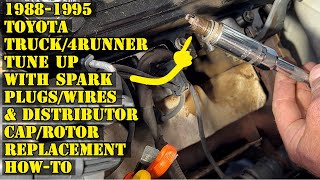
🎬 See this complete tune-up guide for your Toyota pickupWhat is the correct spark plug gap?
The recommended spark plug gap for the 1988-1995 Toyota Pickup is typically 0.032 inches. It is very important to verify this with a gap tool before installation.
Is it hard to change the spark plugs myself?
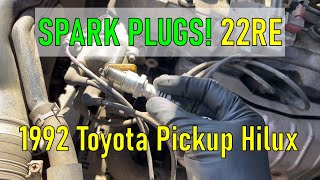
No, this is considered a very easy job for a DIY mechanic. For the 4-cylinder 22RE engine, all four plugs are easily accessible 🎬 Watch: Step-by-step spark plug replacement for the 22RE engine on the side of the engine. The V6 3VZ-E is slightly more involved but still very manageable. You only need a few basic tools like a ratchet, an extension, and a spark plug socket.
Helpful Videos
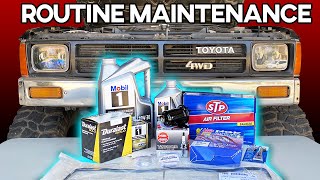
Technical Specifications
OEM Part Numbers: 90919-01064
Engine Type: 2.4L 22RE (I4), 3.0L 3VZ-E (V6) Recommended Gap: 0.032" (0.8mm) Socket Size: 13/16" or 5/8" depending on the specific plug Torque Spec: Approx. 13 ft-lbs (18 Nm)
We Have This Part in Stock


The information in this article is provided for general reference and educational purposes only. Vehicle specifications, procedures, and part compatibility can vary by production date, trim level, and region. Always consult your vehicle's factory service manual and verify part numbers before purchasing or performing repairs. Safety-critical components such as airbags, seat belts, and braking systems should be installed by a qualified professional.
- Toyota Pickup: