

Choosing the Right Alternator for Your 1988-1996 GMC G3500 Van
Keep your workhorse van powered up by picking the correct new alternator the first time.
- Verify your van's exact amperage, pulley type (V-belt vs. Serpentine), and connector clocking before ordering.
- A failing alternator will cause dimming lights, a battery warning on the dash, and can quickly leave you with a dead battery.
- For reliability, choose a new unit from a trusted brand like ACDelco or Bosch over a remanufactured part.
- Replacement is more difficult than on a pickup; access requires removing the interior engine cover.
Is Your G3500's Alternator Failing?
The alternator on these GMT400-platform vans is a common failure point due to age, heat, and high electrical loads. Symptoms often start small but can quickly lead to a no-start situation. Watch for these signs:
- Dimming or Flickering Lights: Headlights and dashboard lights may dim, especially at idle, and brighten as you rev the engine.
- Battery Light: A 'BATT,' 'ALT,' or battery-shaped warning light on your dash is a direct indicator of a charging system problem.
- Whining or Grinding Noises: A high-pitched whine or a grinding sound from the front of the engine can signal failing bearings inside the alternator.
- Electrical Gremlins: Slow power windows, a weak blower fan, or a radio that cuts out are all signs the alternator can't keep up with demand.
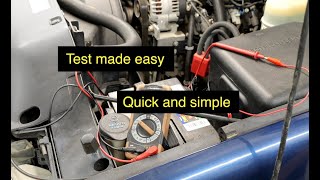
- Dead Battery: If you find yourself needing to jump-start the van frequently, the alternator is likely not recharging the battery as it should. 🎬 Watch: How to test your GM alternator with a multimeter.
Known Issues for the 1988-1996 G3500
While there are no specific recalls or TSBs for the alternator on these vans, failures are common due to simple wear and tear. The cramped engine compartment, with much of the engine under the interior 'doghouse,' can trap heat, contributing to a shorter lifespan for electrical components like the alternator. Also, be aware of oil or coolant leaks from intake manifold or water pump gaskets, as these fluids can drip onto the alternator and cause premature failure.
Common Ordering Mistakes: Get the Right Part
Ordering the wrong alternator is a frequent mistake for this generation of G-van. Before you buy, verify these three things on your specific vehicle:
- Amperage Rating: These vans came with several alternator outputs, typically 100 or 105 amps, depending on the engine (4.3L, 5.7L, 7.4L, 6.5L Diesel) and factory options like air conditioning. Using an underpowered alternator can lead to poor performance and early failure. If you've added accessories like lights or a large stereo, consider a high-output unit.
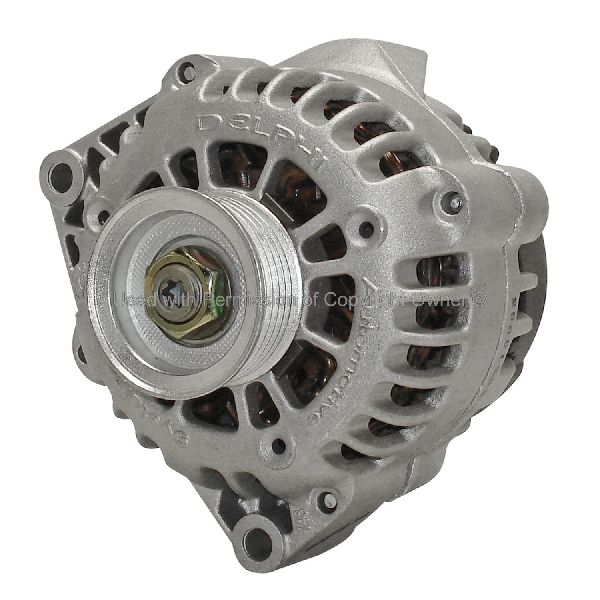
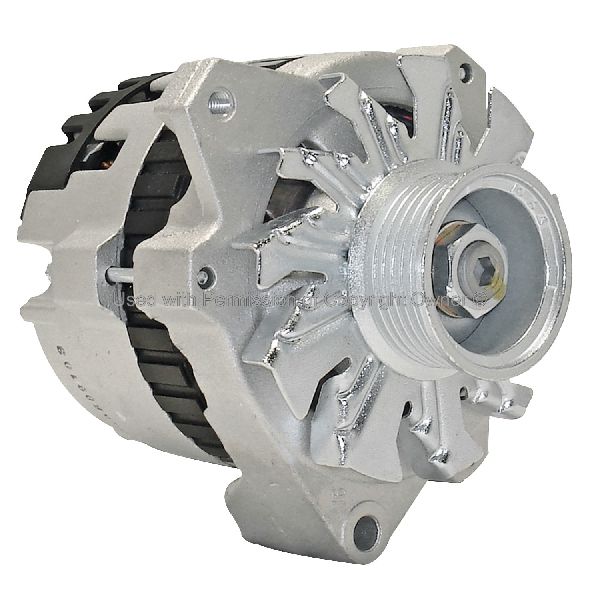
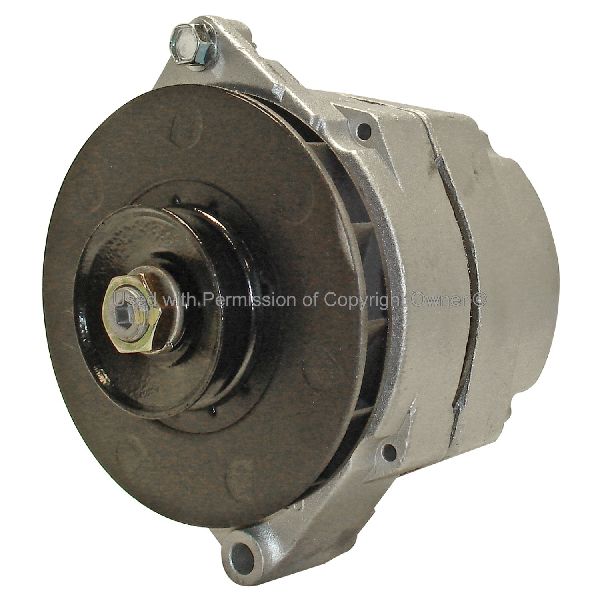
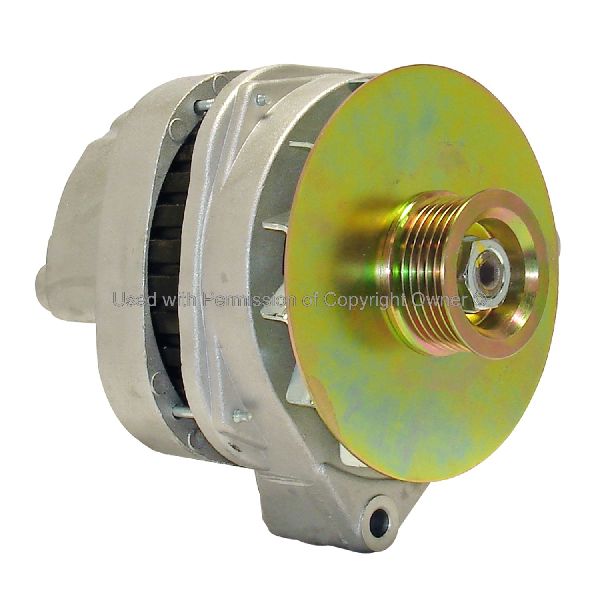
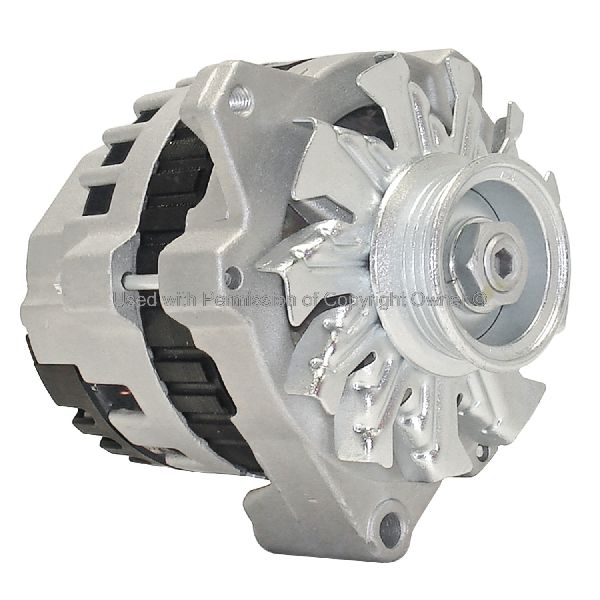
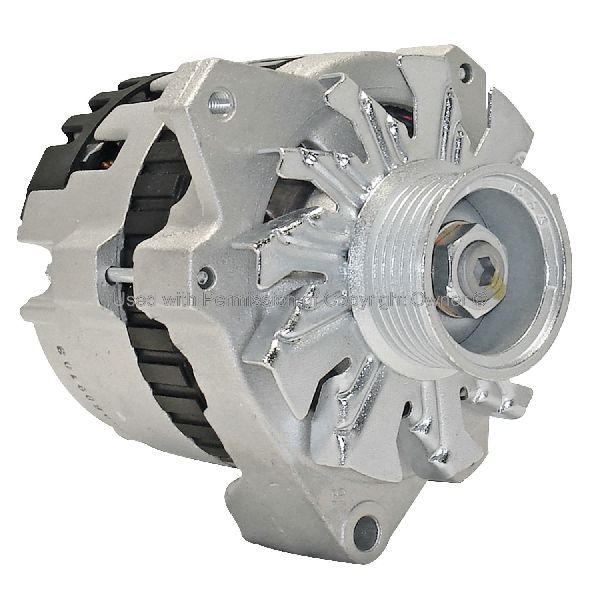
- Pulley Type: This model range spans the transition from V-belts to serpentine belts. Early models may use a single V-groove pulley, while later models use a wider, multi-groove (typically 6-groove) serpentine pulley. They are not interchangeable. You must match the pulley to your van's belt system.
- Connector Position ('Clocking'): The electrical plug on the back of the alternator can be in different positions (e.g., 3 o'clock). Check the orientation on your old part to ensure the wiring harness will reach and connect properly on the new one.
Choosing a New Aftermarket Alternator
For a vehicle of this age, a new aftermarket alternator offers a great balance of performance and value without the uncertainty of a remanufactured unit's history. Here’s a breakdown of available brands:
Tier 1: Proven Quality
- ACDelco: As GM's own parts brand, ACDelco is a reliable choice for fit and performance. Their 'Gold' line offers high-quality new and remanufactured parts that meet original equipment (OE) standards.
- Bosch: A global OE supplier known for high-quality electronics. A new Bosch alternator is a premium replacement that is engineered to last and perform reliably under heavy use.
Tier 2: Performance & Value
- Powermaster: If you need more power for accessories, Powermaster specializes in high-output alternators. They are a bolt-on upgrade but may require upgrading your main power wire (the 'Big 3' wiring upgrade) to handle the extra amperage.
- WAI Global: Often praised for its value, WAI provides 100% new units that are tested before shipping. While some users question long-term durability, they are a solid choice for getting a vehicle back on the road reliably.
Tier 3: Budget-Focused
- Remy: A well-known aftermarket name with mixed feedback. Some units provide years of service, while others have reports of early bearing failure.
- Proform: These are typically 100% new units, often with chrome finishing. However, reviews are inconsistent, with some reports of out-of-the-box failures or fitment issues.
- BBB Industries / MPA: These are major remanufacturers that supply many store-brand parts. Quality can be a toss-up; you might get a great unit or one that fails prematurely.
| Part Type | Estimated Cost |
|---|---|
| New Aftermarket | $75 - $453 |
| Remanufactured Aftermarket | $90 - $250 |
| New OEM (GM Genuine) | $450 - $800+ |
| Shop Labor | $125 - $250 |
Pro Tip: Installation on a G-Van
Replacing the alternator on a G3500 is more involved than on a pickup truck. Access is tight, and you will need to remove the interior engine cover (doghouse) between the front seats. While it's a DIY-feasible job for someone with mechanical experience, be prepared for a tight workspace. Always disconnect the negative battery terminal before starting work.
🎬 See this walkthrough for removing the alternator on a G-series van.Frequently Asked Questions
Do I need a special alternator for my 7.4L (454) or 6.5L Diesel engine?
Yes, heavy-duty applications, including the big block V8 and diesel engines, typically require a higher amperage alternator (often 105 amps or more) to handle the greater electrical load. Always verify the required amperage for your specific engine and options package.
What's the difference between a V-belt and a serpentine belt pulley?
A V-belt pulley has a single, deep V-shaped groove. A serpentine belt pulley is wider and has multiple smaller grooves (e.g., 6 ribs) for a flat, ribbed belt. Your 1988-1996 G3500 could have either, so you must buy an alternator with the correct pulley to match your van.
Can I upgrade to a higher amp alternator?
Yes, but it's not always a simple swap. If you install a significantly higher-output alternator (e.g., upgrading from 105A to 145A or more), you should also upgrade the main charging wire from the alternator to the battery to prevent overheating the stock wire. This is often called the "Big 3" wiring upgrade.
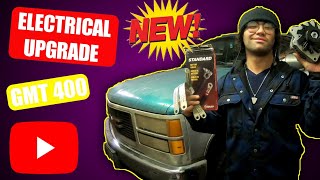
🎬 Watch: How to perform the Big 3 wiring upgrade on your GMT400.Is a new or remanufactured alternator better?
A new alternator uses all-new components and has no previous wear, offering maximum potential lifespan. A remanufactured unit is a used core that has been rebuilt with new wear items like bearings and brushes. While often cheaper, the quality of remanufactured parts can vary widely. For a critical part like an alternator, a new unit from a reputable brand is often the more reliable long-term choice.
Helpful Videos
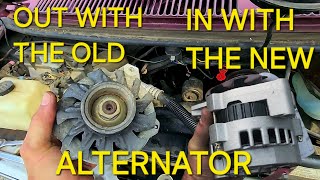
Technical Specifications
OEM Part Numbers: 88877233 334-2406A 335-1033
Amperage: 100A or 105A (most common), Voltage: 12V, Pulley: 6-Groove Serpentine or V-Belt, Regulator: Internal
We Have This Part in Stock

The information in this article is provided for general reference and educational purposes only. Vehicle specifications, procedures, and part compatibility can vary by production date, trim level, and region. Always consult your vehicle's factory service manual and verify part numbers before purchasing or performing repairs. Safety-critical components such as airbags, seat belts, and braking systems should be installed by a qualified professional.
- GMC G3500: