

Engine Water Pump Guide for the 1988-1996 Honda Civic
Keep your classic Civic's engine cool and prevent serious damage by understanding its water pump.
- Always replace the timing belt, tensioner, and water pump together as a kit.
- Failure to replace a failing water pump will lead to engine overheating and likely cause catastrophic engine damage.
- This is a labor-intensive job; the majority of the replacement cost is labor, not parts.
- If you don't have proof of the last replacement, change the timing belt and water pump as preventative maintenance.
Is Your Civic's Water Pump Failing?
A failing water pump gives several warning signs. Ignoring them can lead to catastrophic engine failure. Be alert for these symptoms:
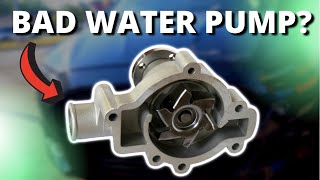
- Coolant Leaks: This is the most common sign. You might see puddles of green, orange, or red fluid under the front-center of your car. Sometimes, the leak is slow, leaving a white, crusty trail from the pump's weep hole, which is a small hole designed to leak when the internal seal fails. A leak appearing to come from behind the timing belt cover is a strong indicator the water pump is the culprit.
- Engine Overheating: If your temperature gauge climbs into the red, the water pump may not be circulating coolant effectively. Steam coming from under the hood is a critical sign to pull over immediately.
- Whining or Grinding Noises: A high-pitched whining sound from the front of the engine that changes with engine speed can signal a failing bearing inside the water pump. This is often caused by a loose pulley or worn internal bearings.
- Visible Rust or Corrosion: If you can see rust, pitting, or buildup on the water pump's body, it's a sign of advanced wear and potential failure.
The Critical Timing Belt Connection
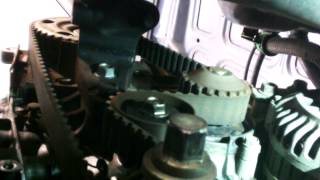
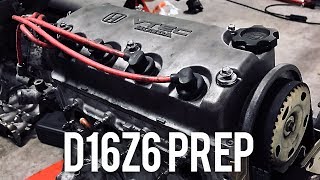
On most 1988-1996 Honda Civic engines (like the popular D15 and D16 series), the water pump is driven by the timing belt. This is extremely important. The labor required to access the water pump is nearly identical to replacing the timing belt. Therefore, it is standard practice and highly recommended to always replace the water pump, timing belt, and belt tensioner at the same time. Replacing only the pump and having the old belt break later (or vice-versa) means paying for the same expensive labor twice and risking severe engine damage.
Choosing the Right Aftermarket Water Pump
When replacing the water pump, you have options. While a genuine Honda OEM part is available, quality aftermarket parts can offer excellent value. Aftermarket brands can be grouped into tiers based on reputation and quality.
- Top Tier (OEM Quality or Better): Brands like Gates and GMB are well-regarded in the Honda community. Gates is a major name in cooling and belt systems, and their kits are popular. GMB is known to be an OEM supplier for some Japanese automakers and has a reputation for quality parts.
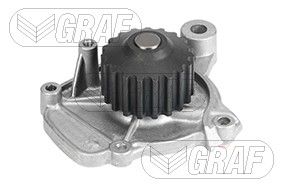
- Mid-Grade (Reliable Replacements): Brands like Graf and Airtex fall into this category. Graf is an established European brand. Airtex is a massive manufacturer and a common choice, though some forum users consider it a budget-friendly option and have mixed reviews.
- Economy Tier: Brands such as US Motor Works, Skyward, and WJB are often priced lower. While they meet basic specifications, some users in forums have reported concerns about the casting quality and longevity of lower-priced parts. For a critical part like a water pump that requires extensive labor to replace, investing in a mid or top-tier brand is often a safer long-term choice.
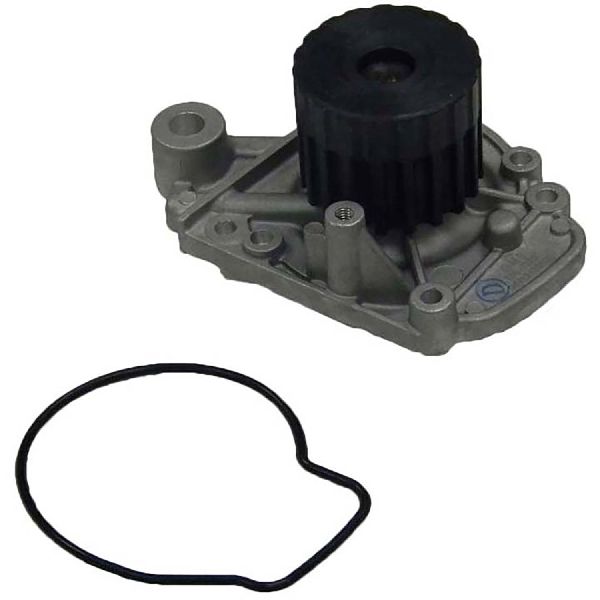
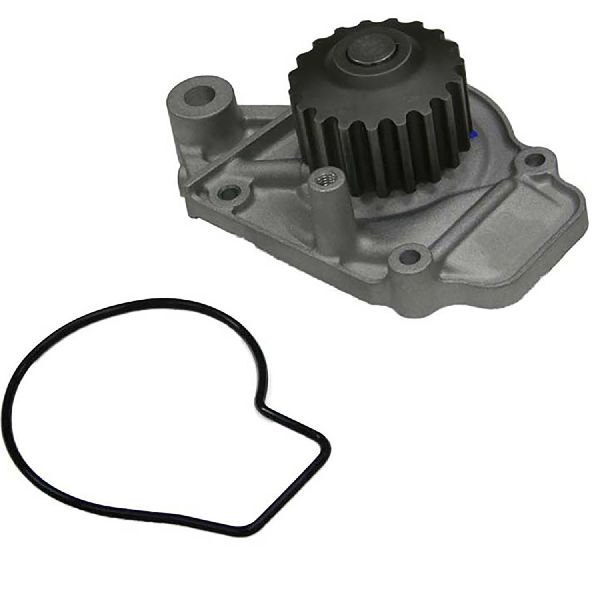
Pro Tip: Buy a complete timing belt and water pump kit. These kits, often from brands like Gates, include the timing belt, water pump, gasket, and tensioner pulley, ensuring you have all the necessary matched components for the job.
🎬 See this comprehensive D-Series timing belt and water pump guide.Expected Replacement Costs
Prices can vary by location and the specific parts chosen. The majority of the cost is labor due to the complexity of the job.
| Part/Service | Estimated Cost |
|---|---|
| New Aftermarket Water Pump Only | $32 - $80 |
| New OEM Honda Water Pump Only | $115 - $195 |
| Shop Labor (Timing Belt & Water Pump) | $350 - $500+ |
| Total Professional Replacement | $589 - $825+ |
Frequently Asked Questions
Do I really need to replace the timing belt with the water pump?
Yes, absolutely. On these Civic engines, the timing belt drives the water pump. The labor to get to one part is the same as the other. Not replacing both at the same time is a costly mistake that could ruin your engine if the old belt breaks.
How often should the water pump and timing belt be replaced?
For 1990-1996 Honda Civics, the general recommendation is to replace the timing belt every 90,000 miles or every 72 months (6 years), whichever comes first. Because the water pump has a similar lifespan and is replaced at the same time, you should follow this interval. If you just bought a used Civic and don't have service records, you should plan to replace them immediately for peace of mind.
Can I replace the water pump myself?
This is an advanced DIY job. It requires removing engine mounts, belts, and pulleys, and correctly setting the engine's timing is critical. An error can lead to pistons hitting valves, destroying the engine. While many DIY guides exist, this job is best left to experienced home mechanics or a professional shop. The difficulty is high, requiring 4-6 hours.
🎬 Watch: Step-by-step walkthrough for replacing the water pump and belt.What type of coolant should I use in my 1988-1996 Civic?
Always use a high-quality, phosphate-free coolant designed for aluminum engines. In the 1990s, the standard was a traditional green coolant. Mixing coolant types can cause corrosion and damage to the cooling system. When you replace the water pump, it's the perfect time to completely flush the system and refill with fresh coolant.
Helpful Videos
Technical Specifications
OEM Part Numbers: 19200-P08-004 19200-P01-004 19200-P10-A02 19200-PM3-014
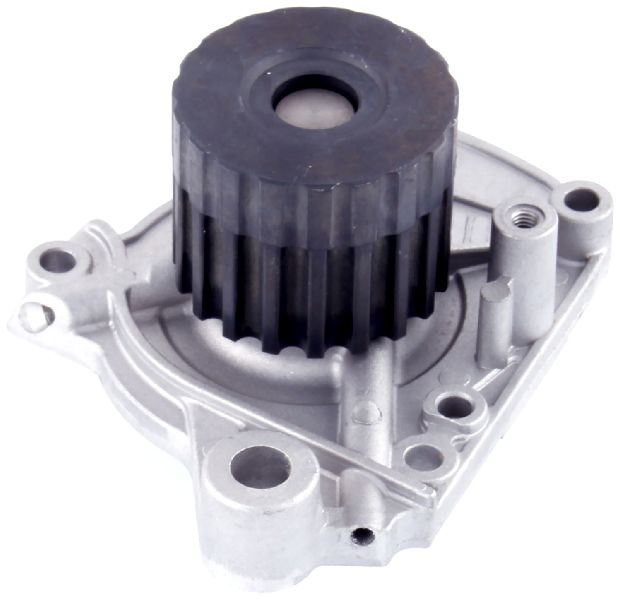
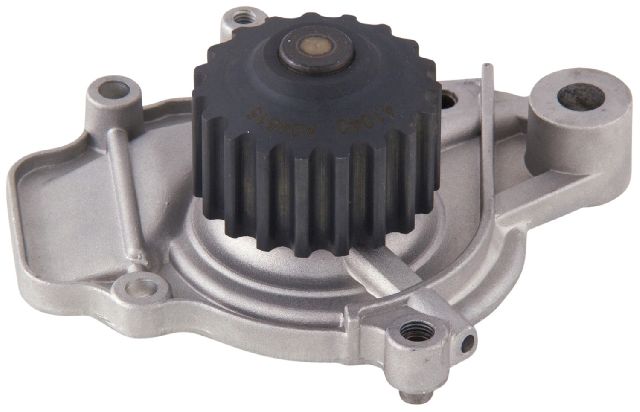
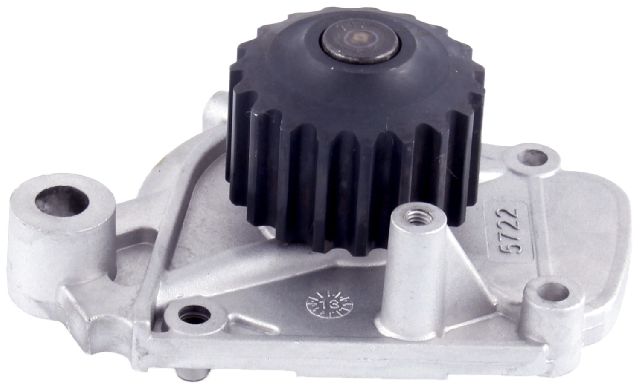
The water pump on 1988-1996 Honda Civics with D-series and B-series engines is driven by the timing belt. The pump housing is typically cast aluminum. Replacement should always include a new gasket and be done in conjunction with a timing belt service.
We Have This Part in Stock

The information in this article is provided for general reference and educational purposes only. Vehicle specifications, procedures, and part compatibility can vary by production date, trim level, and region. Always consult your vehicle's factory service manual and verify part numbers before purchasing or performing repairs. Safety-critical components such as airbags, seat belts, and braking systems should be installed by a qualified professional.
- Honda Civic: