

A Guide to Replacing Disc Brake Pads on Your 1988-1997 Mazda MX-6
Get the stopping power and quiet operation your MX-6 deserves by choosing the right new aftermarket brake pads.
- You must confirm your MX-6 generation (1988-1992 or 1993-1997) before ordering to get the correct parts.
- For most drivers, a quality ceramic or semi-metallic pad from brands like Akebono, Bosch, Centric, or Wagner offers the best balance of performance and value.
- Performance pads from EBC or Powerstop offer more stopping power but may create more dust and noise.
- Always inspect your brake rotors for wear or damage when replacing pads; they often need to be replaced at the same time for best results.
Is it Time for New Brake Pads?
Your MX-6 will give you clear signs when the brake pads are getting low. Ignoring these can lead to more expensive repairs, like needing new rotors or calipers. Be aware of these common symptoms of brake pad failure.
Common Ordering Mistake: Know Your Generation
The Mazda MX-6 was produced in two distinct generations: the first from 1988-1992 (GD platform) and the second from 1993-1997 (GE platform). These cars are mechanically different, and their brake systems are not the same. You must order pads specifically listed for your model year range to ensure they fit correctly. Ordering for the wrong generation is the most common mistake.
Choosing the Right Aftermarket Brake Pads
With original equipment (OEM) parts being scarce for a vehicle of this age, the aftermarket is your best source for new brake pads. The brands available offer a wide range of quality and performance, from budget-friendly options to high-performance upgrades.
Economy Pads (Under $25)
These are the most affordable options, suitable for basic transportation. They'll get the job done, but may not offer the best performance, lifespan, or quietest operation. Brands like Pronto and some lines from Dynamic Friction fall into this category.
Daily Driver Pads ($25 - $60)
This is the sweet spot for most MX-6 owners. These pads offer quality and performance similar to or better than the original factory pads. They provide a great balance of stopping power, low noise, and minimal brake dust. Look for ceramic or semi-metallic options from these trusted brands:
- Akebono: A well-regarded Japanese OEM supplier known for consistent quality and quiet operation.
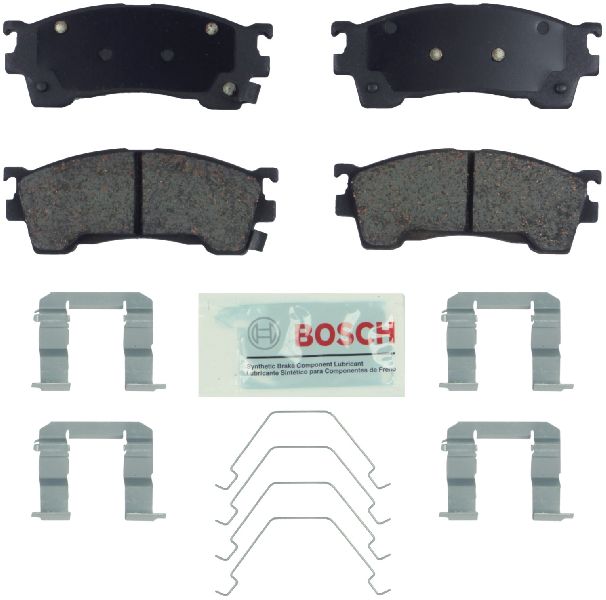
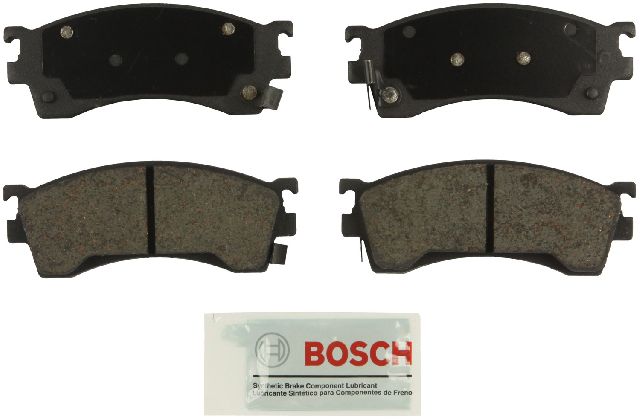
- Bosch: Offers reliable, quality pads that are a popular choice for many vehicles.
- Centric: A very popular aftermarket brand offering several lines, with their Posi-Quiet pads being a great choice for daily use.
- Raybestos: A long-standing brand with a reputation for dependable, quality brake components.
- Wagner Brakes: Known for their ThermoQuiet line, which is engineered for good performance and low noise.
Performance & Heavy-Duty Pads ($60+)
If you enjoy spirited driving or want an upgrade in stopping power, performance pads are a great choice. The trade-off can sometimes be more brake dust and potential for noise when cold. These pads are designed to resist brake fade at higher temperatures.
- EBC Brakes: Offers different compounds like Greenstuff for a mild street upgrade or Yellowstuff for more aggressive use. They are known for creating some dust.
- Brembo: A top name in performance braking, offering premium pads for drivers who demand more from their vehicle.
- Powerstop: Known for their Z23 Evolution Sport pads, which are a popular carbon-fiber ceramic option for performance street driving.
| Pad Tier | Typical Price Range (Front or Rear Set) | Best For |
|---|---|---|
| Economy | $15 - $25 | Basic, budget-conscious repairs |
| Daily Driver (OEM-Quality) | $25 - $60 | Most owners; balanced performance and value |
| Performance / Heavy-Duty | $60 - $90+ | Spirited driving and enhanced stopping power |
Pro Tip: Inspect Your Rotors and Calipers
When you replace your brake pads, it's the perfect time to check your brake rotors and calipers. Rotors can become worn down, warped, or scored, which will cause vibrations and reduce the effectiveness of your new pads. A sticking caliper can cause pads to wear out extremely quickly. For best results, install new pads on smooth, clean rotor surfaces.
Frequently Asked Questions
What's the difference between ceramic and semi-metallic pads?
Ceramic pads are generally quieter, produce less dust, and are gentle on brake rotors. Semi-metallic pads can offer better performance in a wider range of temperatures and are often preferred for heavier-duty or performance applications, though they can be noisier.
Do I need to replace my rotors with my pads?
Not always, but it's highly recommended to inspect them. If your rotors are thin, have a large lip on the edge, or have deep grooves or signs of heat damage (discoloration), they should be replaced to ensure your new pads work correctly and last a long time.
Are there any recalls on MX-6 brake pads?
No, there are no specific recalls for the brake pads on the 1988-1997 Mazda MX-6. An old recall from 1987 for the 1988 model year mentioned a potential issue with rear brake shoes during transport, but this is not related to modern replacement disc pads. Any issues you experience now are related to normal wear and tear.
What is brake pad "bedding-in"?
Bedding-in is a process of a few controlled stops after installing new pads. It transfers a thin, even layer of friction material onto the rotor. This process is crucial for achieving the best stopping power, preventing noise, and ensuring a long life for your new pads and rotors.
Technical Specifications
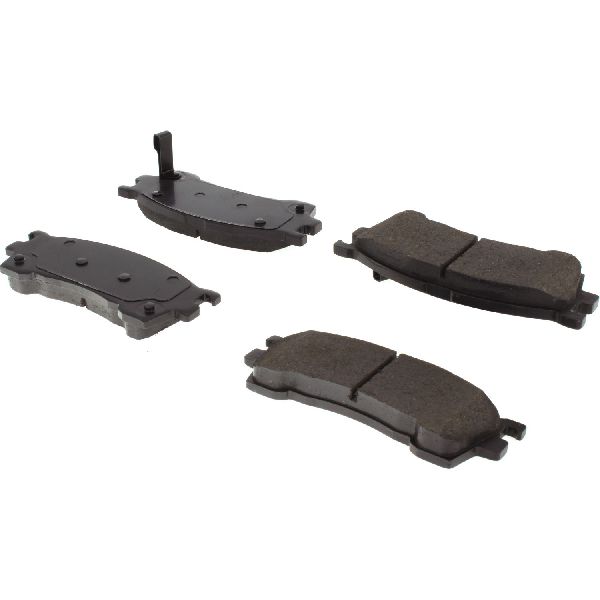
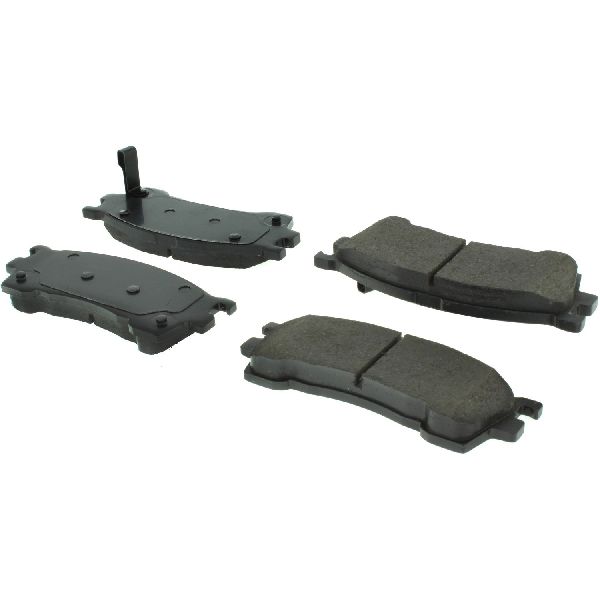
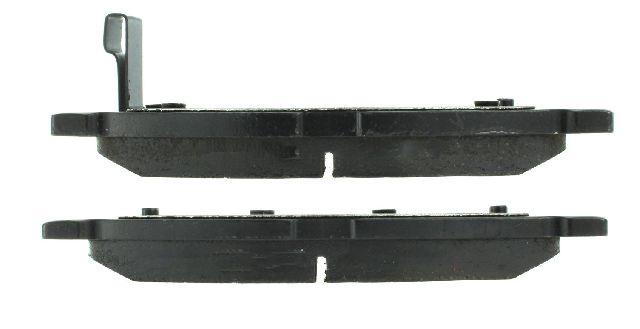
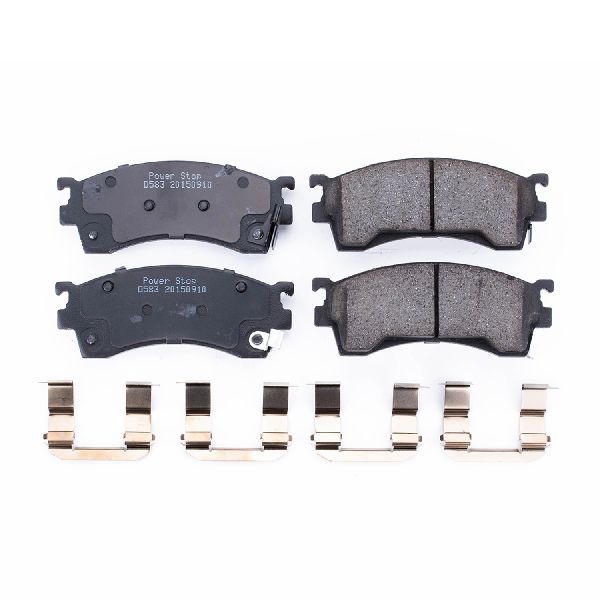
Brake pad materials for this vehicle are primarily ceramic or semi-metallic. Some pads come with new hardware like shims and clips, which is recommended for a quiet, professional installation. The primary fitment difference is between the first generation (1988-1992) and second generation (1993-1997) models.
We Have This Part in Stock

The information in this article is provided for general reference and educational purposes only. Vehicle specifications, procedures, and part compatibility can vary by production date, trim level, and region. Always consult your vehicle's factory service manual and verify part numbers before purchasing or performing repairs. Safety-critical components such as airbags, seat belts, and braking systems should be installed by a qualified professional.
- Mazda MX-6:
- 🛍️ Shop This Part
- Is it Time for New Brake Pads?
- Common Ordering Mistake: Know Your Generation
- Choosing the Right Aftermarket Brake Pads
- Economy Pads (Under $25)
- Daily Driver Pads ($25 - $60)
- Performance & Heavy-Duty Pads ($60+)
- Pro Tip: Inspect Your Rotors and Calipers
- Frequently Asked Questions
- 🎟️ Get 5% Off