

A Practical Guide to the Power Steering Pump for Your 1988-1999 GMC K1500
Stop the whining and stiff steering by choosing the right replacement power steering pump for your truck.
- A whining noise might be your alternator, not the power steering pump; diagnose it first.
- Budget remanufactured pumps (especially Cardone) have a reputation for high failure rates; spending more now can prevent doing the job again soon.
- Proper installation is critical: use the correct pulley tool, flush the system completely, and bleed out all air to ensure a long service life.
- For trucks with large tires or heavy use, a new high-performance pump from a brand like PSC is a worthwhile upgrade over a standard remanufactured part.
Is Your Power Steering Pump Failing?
A failing power steering pump on a GMT400 truck like your K1500 usually gives clear warning signs. Ignoring them can lead to a complete loss of power assist, and debris from a failed pump can damage other expensive parts like the steering gear. Watch out for these symptoms:
- Whining Noise: A constant whining or groaning sound that gets louder when you turn the wheel is the most common symptom. This is often caused by low fluid or air in the system.
- Stiff Steering: If turning the wheel suddenly requires a lot of muscle, especially at slow speeds, your pump is likely not producing enough pressure.
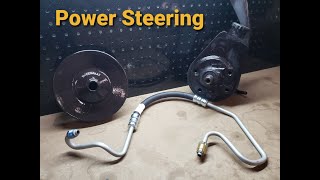
- Fluid Leaks: Look for reddish or brownish fluid drips under the front of your truck. The pump itself or its connecting hoses are common leak points. 🎬 Watch this step-by-step guide on replacing the pump and hoses.
- Slow Steering Response: If the steering feels sluggish or delayed, it can be a sign of a weak pump.
Could It Be Your Alternator?
A Technical Service Bulletin (TSB) for 1992-93 GM trucks notes that a whining noise often blamed on the power steering pump is actually caused by a failing alternator bearing. Before you replace the pump, a mechanic can isolate the pump with a shorter diagnostic belt to confirm where the noise is coming from. This could save you from replacing the wrong part.
Choosing the Right Aftermarket Pump
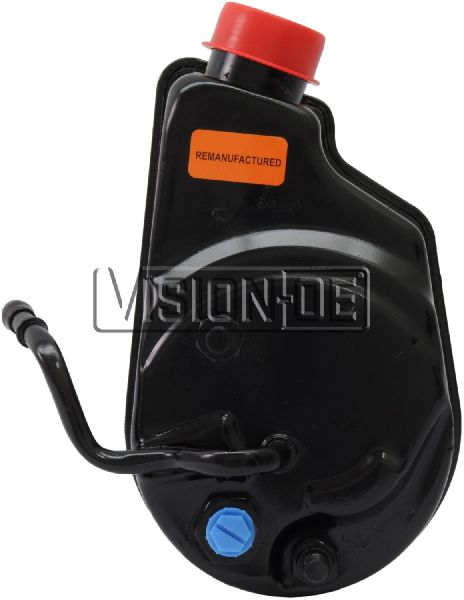
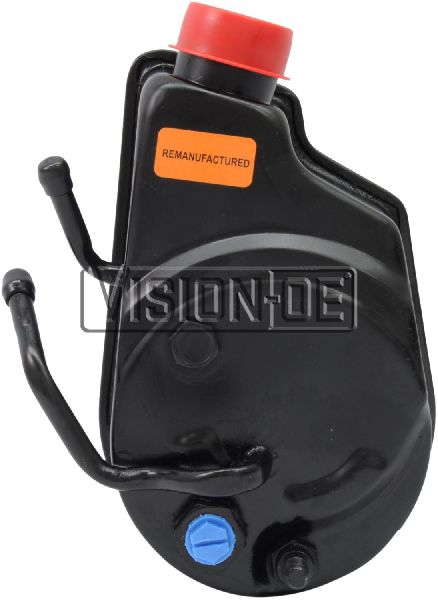
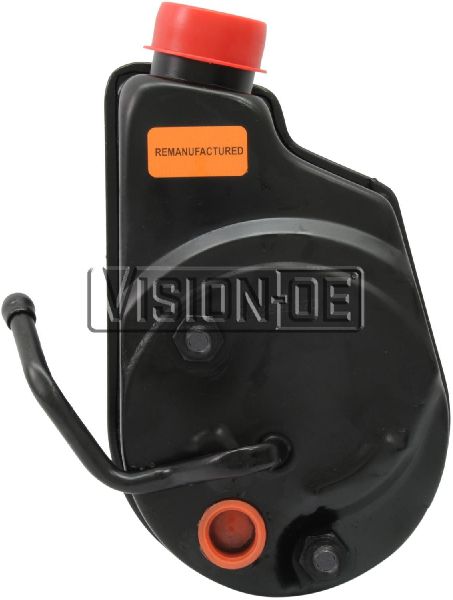
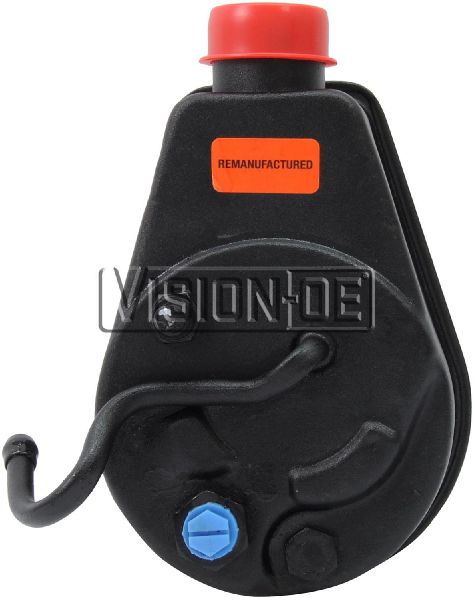
When shopping for a new aftermarket pump, you'll find a wide range of quality and price. For the 1988-1999 K1500, pumps are generally sold as the pump body itself, often without the reservoir or pulley. You will need a special tool to safely remove your old pulley and install it on the new pump.
Brand Quality Tiers
Not all brands are created equal. Based on mechanic and owner experiences, aftermarket pumps for this truck fall into a few categories:
- Performance Grade (PSC Motor Sports): These are brand-new, high-performance pumps, not remanufactured. They are built to provide higher pressure and flow, making them a great choice for trucks with oversized tires or those used in demanding off-road situations. They are the most expensive option and may require modifications, so confirm exact fitment for your specific year and engine.
- Standard Replacement (BBB Industries, Mapco, PWR): These brands typically offer remanufactured pumps that are designed to meet original specifications. Quality can be inconsistent with remanufactured parts, but they are a common choice for a daily driver. They offer a balance between cost and function.
- Budget Grade (Cardone, Replacement): These are often the cheapest options available. However, owner forums and mechanic reviews are filled with reports of these pumps being noisy, leaking, or failing shortly after installation. Many owners report having to replace them multiple times. Consider these only if budget is the absolute primary concern and you are prepared for the possibility of a warranty claim.
Pro Tips for a Lasting Repair
- Flush the System: Before installing your new pump, flush all the old fluid out of the lines and steering gear. Debris from the old pump can destroy the new one.
- Use Quality Fluid: Don't use just any power steering fluid. Check your owner's manual and use a quality fluid to protect seals and ensure proper performance.
- Install an Inline Filter: For extra protection, consider adding a magnetic inline filter to the low-pressure return hose. It will catch any metallic debris before it can circulate through your new pump.
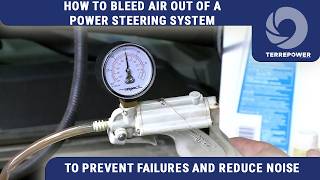
- Bleed the System Correctly: After installation, you must bleed all air from the system. With the front wheels off the ground, turn the steering wheel lock-to-lock about 20 times with the engine OFF, keeping the reservoir full. Then, start the engine and repeat until the whining stops. 🎬 Watch: How to properly bleed air to prevent pump noise.
Frequently Asked Questions
Do I really need a special tool to change the pulley?
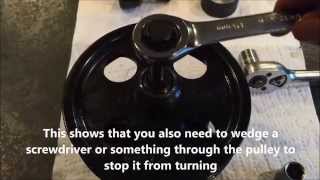
Yes. The pulley is press-fit onto the pump shaft. You need a specific pulley puller and installer tool kit. Using a hammer or a generic jaw puller will damage the pulley and the new pump, voiding your warranty. These tool kits can be rented from most auto parts stores.
🎬 See how to use a puller kit to swap your pulley.Why do so many remanufactured pumps fail?
Remanufactured pumps are rebuilt from old units. The quality depends entirely on the rebuilder's process. Budget brands may cut corners by only replacing the specific part that failed, leaving other worn components in place. This leads to high rates of premature failure from leaks or noise.
Should I get a pump with or without the reservoir?
If your reservoir is clean and the internal screen isn't clogged, you can reuse it. However, if the fluid from your old pump was dark and full of debris, it's wise to get a new pump that includes a new, clean reservoir to avoid contaminating your new pump.
What kind of power steering fluid should I use in my K1500?
For this generation of GM truck, standard power steering fluid is typically specified. Some owners have success using synthetic power steering fluid for better performance in high heat or cold weather. Avoid using ATF (Automatic Transmission Fluid) unless it is explicitly approved for your system, as it may not be compatible with the seals.
Helpful Videos
Technical Specifications
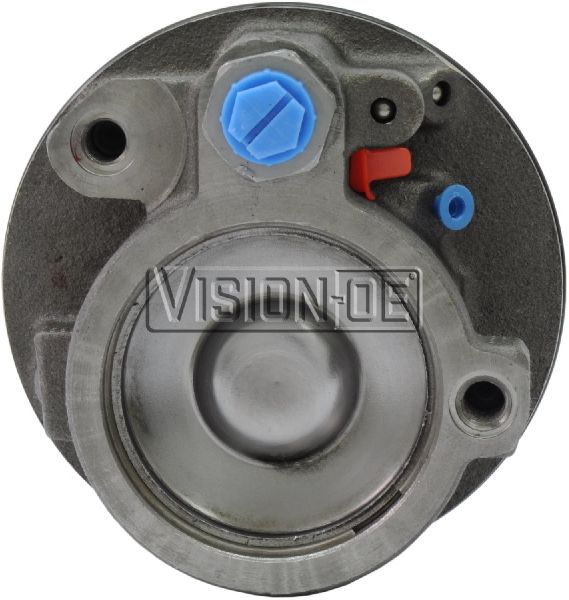
The pump is a belt-driven Saginaw P-series style pump. It is typically sold without the pulley, which must be transferred from the old unit using a special tool. Reservoirs may be attached or separate. Ensure the high-pressure and return line fittings match your vehicle's existing lines, as variations can exist.
We Have This Part in Stock

The information in this article is provided for general reference and educational purposes only. Vehicle specifications, procedures, and part compatibility can vary by production date, trim level, and region. Always consult your vehicle's factory service manual and verify part numbers before purchasing or performing repairs. Safety-critical components such as airbags, seat belts, and braking systems should be installed by a qualified professional.
- GMC K1500: