

1989 Chevrolet R2500 Engine Coolant Temperature Sensor Replacement and Info
Fix poor performance and bad fuel economy on your 1989 R2500 by understanding this critical sensor.
- Verify you are buying the two-wire ECT sensor for the computer, not the one-wire sender for the dash gauge.
- Symptoms of failure include poor fuel economy, rough idle, black smoke, and a Check Engine light.
- Replacement is an easy DIY job that takes less than 30 minutes with basic tools.
- Be prepared to swap the new sensor in quickly to minimize coolant loss.
Is Your R2500's Engine Coolant Sensor Failing?
A bad Engine Coolant Temperature (ECT) sensor can cause a surprising number of problems. Because the sensor's reading affects how much fuel the engine gets, a faulty one can tell the computer the engine is cold when it's not. This leads to a rich fuel mixture, causing issues like poor fuel economy, a rough idle, and even black smoke from the exhaust. You might also see the 'Check Engine' light turn on. On these specific trucks, this can trigger OBD-I trouble codes 14 or 15.
Crucial: Your Truck Has Two Temperature Sensors
This is the most common mistake when ordering this part. Your 1989 Chevy truck has two separate temperature units. It is vital to know which one you need.
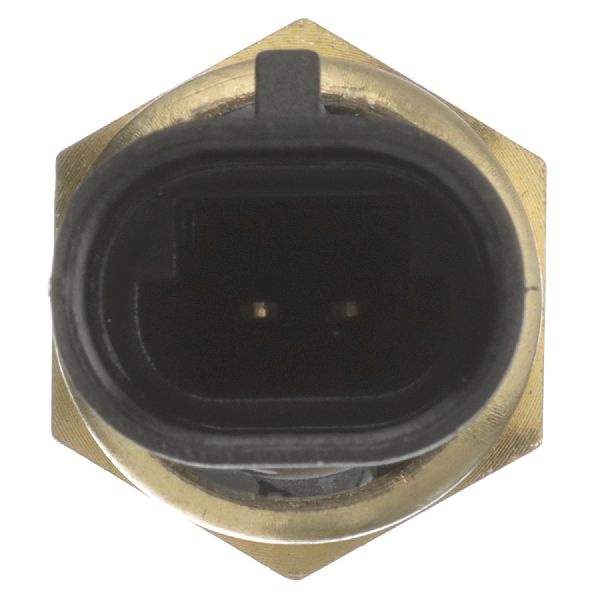
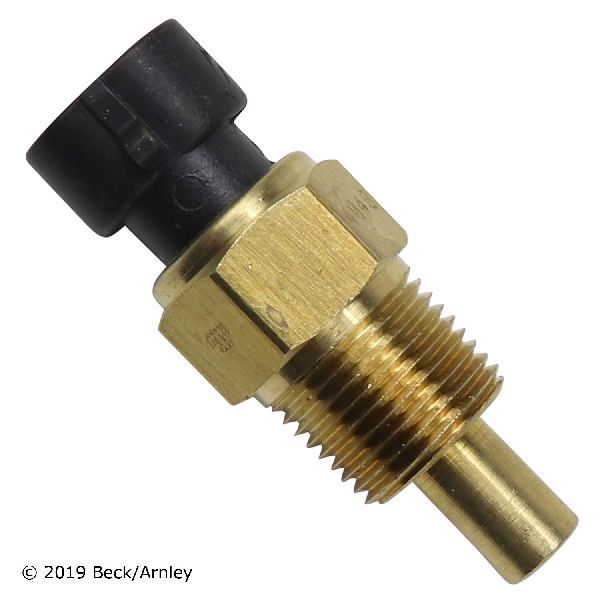
- Engine Coolant Temperature (ECT) Sensor: This is for the computer (ECU). It has a two-wire electrical connector and is located on the front of the intake manifold, right next to the thermostat housing. This is the sensor that affects engine performance.
- Temperature Sender/Switch: This is for the temperature gauge on your dashboard. It has a single wire and is usually located on the driver's side cylinder head, between the spark plugs. Replacing this will not fix engine running problems.
Before ordering, look at your engine and confirm you are replacing the two-wire sensor on the intake manifold.
Choosing the Right Aftermarket Sensor
For a truck like the 1989 R2500, the original ACDelco sensor is often considered the benchmark. However, quality aftermarket parts provide a reliable and cost-effective alternative. You don't need to pay for a premium brand for this part, but it's wise to stick with known manufacturers.
- Standard Tier (Good Value): Brands like Standard Ignition (SMP), Four Seasons, and Delphi are common, widely available options that offer a balance of quality and price. They are suitable for daily drivers and general use.
- OE-Matching Tier (High Quality): Brands like Beck Arnley and NGK often market their parts as meeting or exceeding original equipment (OE) specifications for fit and performance. These can be a good choice if you want extra peace of mind.
- Budget Tier: While there are very low-cost options available, sensors are precision items. Forum users sometimes report issues with generic, no-name sensors failing prematurely. Given the low cost of even standard brands, it's usually worth spending a few extra dollars to avoid doing the job twice.
Pro Tip: Some replacement sensors come as a kit that includes a new electrical pigtail connector. If your original connector is cracked, brittle, or corroded, buying one of these kits is a smart move to ensure a good connection.
How to Replace the ECT Sensor (DIY Guide)
Replacing the ECT sensor is a straightforward job that most owners can do in under 30 minutes with basic tools.
- Let the Engine Cool: Never work on a hot cooling system. Let the truck sit for several hours.
- Locate the Sensor: Find the two-wire sensor on the front of the intake manifold, near the thermostat housing.
- Prepare for the Swap: Have the new sensor ready and within arm's reach. When you remove the old sensor, coolant will start to come out. The faster you can swap them, the less coolant you will lose.
- Unplug and Remove: Disconnect the electrical connector. Use a deep socket (typically 19mm or 13/16") to unscrew the old sensor.
- Install the New Sensor: Quickly thread the new sensor into the hole by hand to stop the coolant flow. Tighten it until it's snug with your wrench, but do not overtighten, as you can damage the intake manifold threads.
- Reconnect and Top Off: Plug the electrical connector back in. Check your coolant level in the radiator and overflow tank and top off with the correct type of coolant to replace what was lost.
Frequently Asked Questions
Can I drive with a bad coolant temperature sensor?
You can, but it's not recommended for long. Your truck will likely run poorly, get bad gas mileage, and may be hard to start. Driving for an extended period with a rich fuel mixture can also damage your catalytic converter.
Why is my truck running rough and smoking after replacing the sensor?
First, double-check that you replaced the correct two-wire sensor for the ECU, not the one-wire sender for the gauge. If you installed the correct part, you may have received a faulty sensor or have another issue. Also, ensure the electrical connector is clean and making good contact.
Do I need to drain all the coolant to replace the sensor?
No. You will only lose a small amount of coolant if you are quick to swap the new sensor in. It's a good idea to have some extra coolant on hand to top off the system afterward.
Are there any recalls for the 1989 R2500 ECT sensor?
No. Searches of the NHTSA database show no recalls or technical service bulletins (TSBs) specifically related to the engine coolant temperature sensor for this vehicle.
Technical Specifications
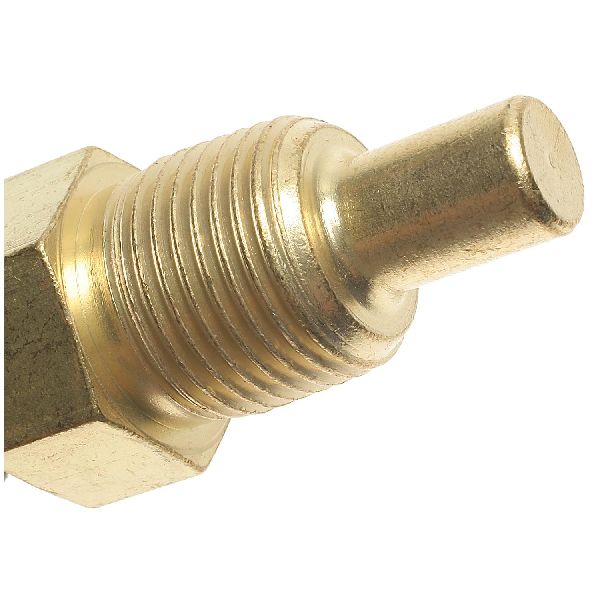
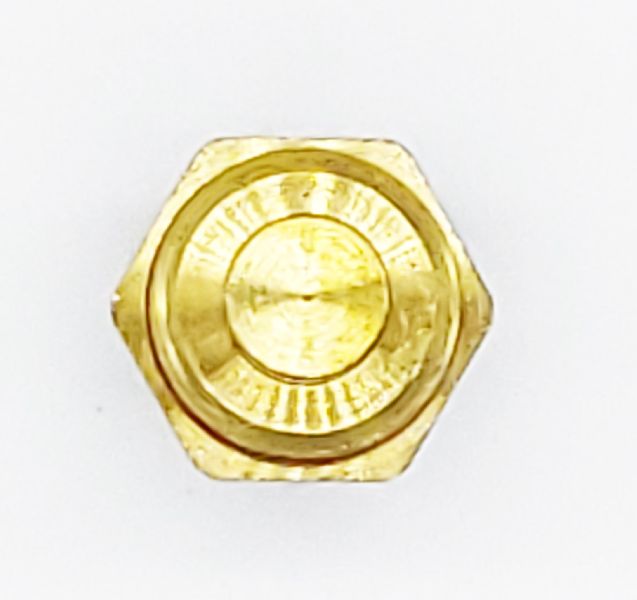
The correct sensor for the ECU has a two-wire electrical connector and is located on the intake manifold near the thermostat housing. It is often made of brass and uses a 19mm or 13/16" hex head for installation.
We Have This Part in Stock



The information in this article is provided for general reference and educational purposes only. Vehicle specifications, procedures, and part compatibility can vary by production date, trim level, and region. Always consult your vehicle's factory service manual and verify part numbers before purchasing or performing repairs. Safety-critical components such as airbags, seat belts, and braking systems should be installed by a qualified professional.
- Chevrolet R2500: