

A/C System O-Ring and Gasket Kit Guide for the 1989-1991 GMC Tracker
Leaking A/C? This guide covers the essential seals you need to restore cold air in your Tracker.
- Failing o-rings are a primary cause of A/C refrigerant leaks in the 1989-1991 GMC Tracker, resulting in warm air from the vents.
- Ensure any replacement kit uses HNBR material (usually green o-rings), which is compatible with modern R134a refrigerant conversions.
- This repair is not DIY-friendly because it requires specialized equipment to legally and safely evacuate and recharge the A/C system.
- When replacing o-rings, you should also replace the A/C receiver/drier to ensure a complete and lasting repair.
Symptoms of Failing A/C O-Rings
The most common sign of a bad o-ring is an air conditioning system that no longer cools effectively. You might notice the air from your vents is only slightly cool or completely warm. This happens because the refrigerant has leaked out, and without it, the system can't remove heat from the cabin. Another clear symptom is finding a greasy or oily residue on the A/C lines and fittings in your engine bay; this is the refrigerant oil that circulates with the refrigerant. 🎬 Watch this guide on how to spot common AC leaks. In some cases, you might even hear a hissing sound from the engine bay as the refrigerant escapes.
R12 vs. R134a Refrigerant: A Critical Note
Your 1989-1991 GMC Tracker originally came with R12 refrigerant. Most of these systems have since been converted to the newer R134a standard. This is very important when choosing an o-ring kit. R134a systems require specific green HNBR (Hydrogenated Nitrile Butadiene Rubber) o-rings that can withstand the different pressure and oil types. Using the old black neoprene o-rings with R134a will cause them to fail quickly. 🎬 Learn how to convert your car's AC from R12 to R134a. Modern aftermarket kits are typically made of HNBR and are compatible with both R12 and R134a.
Choosing the Right Aftermarket O-Ring Kit
For a vehicle of this age, OEM o-rings are difficult to find and not necessary. Quality aftermarket kits provide excellent performance and are readily available. The key is to buy a vehicle-specific kit for your 1989-1991 Tracker to ensure you get all the correct sizes for a complete job.
Available brands for your Tracker include:
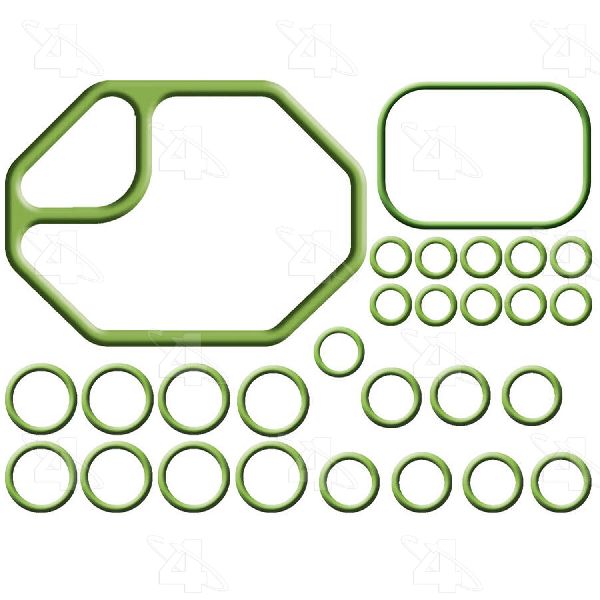
- Four Seasons: A well-known and reputable brand in the A/C parts industry. They offer comprehensive kits and are generally considered a reliable choice for replacement parts.
- ACDelco: As GM's parts division, ACDelco is often a go-to for quality. However, for older vehicles, some of their parts may be manufactured by other companies like Four Seasons. They remain a solid option.
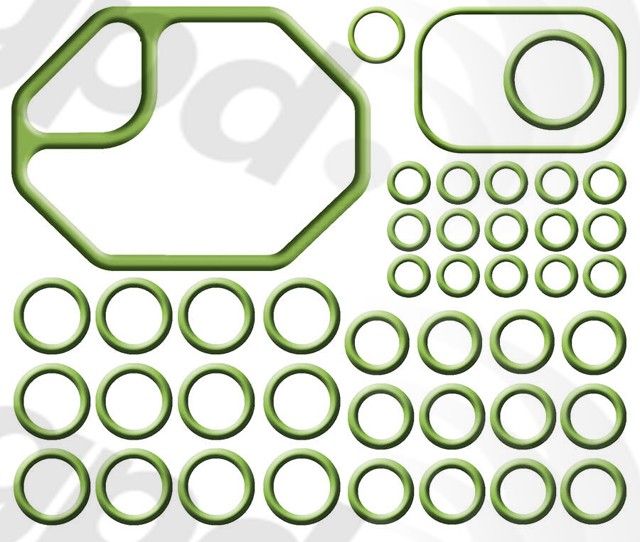
- Global Parts (gpd): This brand offers direct-fit kits designed to meet or exceed original specifications and are a common aftermarket choice.
Ultimately, for a part like an o-ring kit, any of these established brands will offer a quality product. The most important factor is ensuring the kit is specified for your vehicle and is made from R134a-compatible HNBR material.
Pro Tip: When you open the A/C system to replace the o-rings, it is highly recommended to also replace the receiver/drier (or accumulator). This component absorbs moisture from the system, and once exposed to the atmosphere, it becomes saturated and can no longer do its job effectively. A new receiver/drier is cheap insurance for the health of your A/C system.
Estimated Replacement Costs
The o-ring kit itself is inexpensive. The majority of the cost comes from the labor required to evacuate the old refrigerant, replace the seals, pull a vacuum to remove moisture, and recharge the system with the correct amount of new refrigerant.
| Part/Service | Estimated Cost |
|---|---|
| New Aftermarket O-Ring Kit | $10.58 - $21.09 |
| Shop Labor (Evacuate & Recharge) | $150 - $300 |
| Total Estimated Cost | $160 - $322 |
Frequently Asked Questions
Can I replace just the one o-ring that is leaking?
It is strongly recommended to replace all the o-rings in the system 🎬 See how to find and replace o-rings at the expansion valve. at once. The system must be fully evacuated to replace even one seal. Since all the o-rings are the same age and have been exposed to the same conditions, if one has failed, others are likely to fail soon. A complete kit ensures a long-lasting repair.
Is this a DIY job?
While physically replacing the o-rings is straightforward, handling refrigerant is not. It is illegal to release refrigerant into the atmosphere, and specialized equipment is required to safely recover the old refrigerant and then vacuum and recharge the system. For this reason, this repair is best left to a professional A/C technician.
Were there any recalls on the A/C system for the 1989-1991 GMC Tracker?
No, there were no specific recalls issued by the NHTSA for the air conditioning system on the 1989-1991 GMC Tracker or its sibling, the Geo Tracker. Recalls for this period were related to seat belts.
What else should I check when replacing the o-rings?
While the system is open, inspect the A/C hoses for cracks or damage. Also, check the front of the A/C compressor for signs of leakage from the front shaft seal, which is another common failure point. As mentioned earlier, always replace the receiver/drier when the system is opened for repair.
Helpful Videos
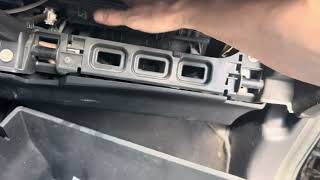
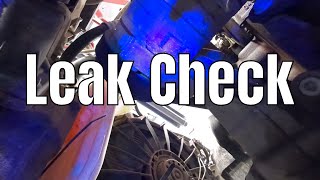

Technical Specifications
Kit contains multiple o-ring sizes for all A/C line connections. Material must be HNBR for compatibility with R134a refrigerant and PAG/POE oils.
We Have This Part in Stock


The information in this article is provided for general reference and educational purposes only. Vehicle specifications, procedures, and part compatibility can vary by production date, trim level, and region. Always consult your vehicle's factory service manual and verify part numbers before purchasing or performing repairs. Safety-critical components such as airbags, seat belts, and braking systems should be installed by a qualified professional.
- GMC Tracker: