

A Guide to the Automatic Transmission Oil Cooler for the 1989-1991 GMC Tracker
Keeping your classic Tracker's transmission cool is the key to preventing expensive damage and staying on the trail.
- A failing cooler can quickly destroy your transmission; address symptoms like leaks or poor shifting immediately.
- Aftermarket coolers from brands like Hayden are reliable and often more efficient than the original part.
- When replacing the cooler, be prepared to top off the transmission fluid with a Dexron-III or Dexron-VI compatible fluid.
- For this vehicle, 'Geo Tracker' parts are identical and can be used for your search and purchase.
Is Your Transmission Overheating? Signs of a Failing Cooler
A bad transmission cooler can lead to a very expensive transmission failure. Watch for these common symptoms. Ignoring them can leave you stranded.
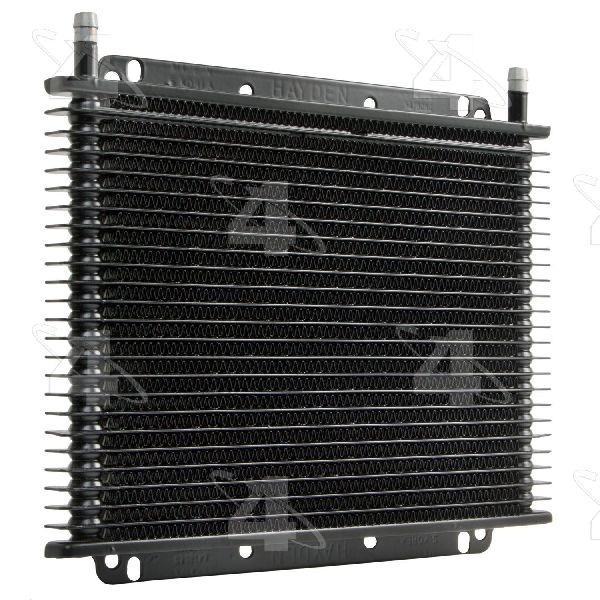
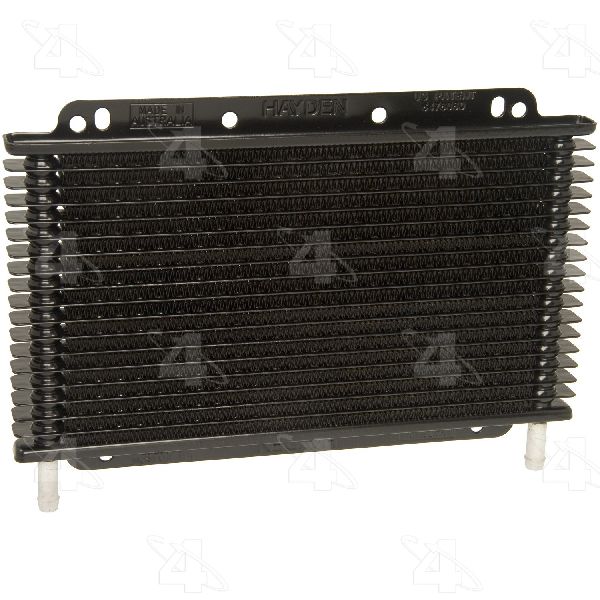
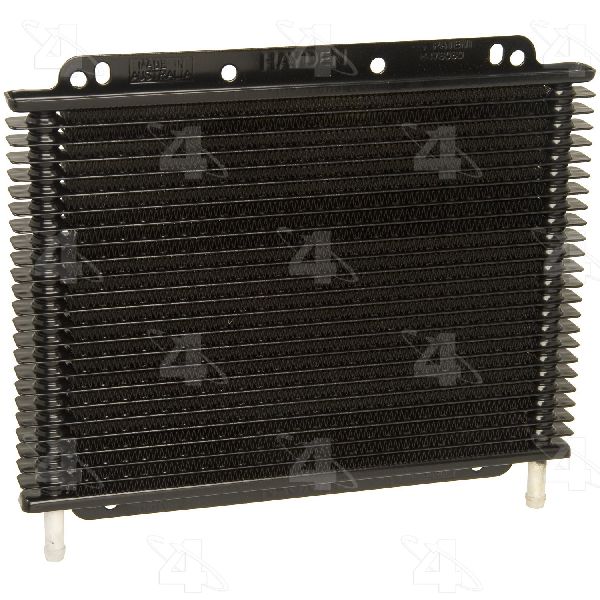
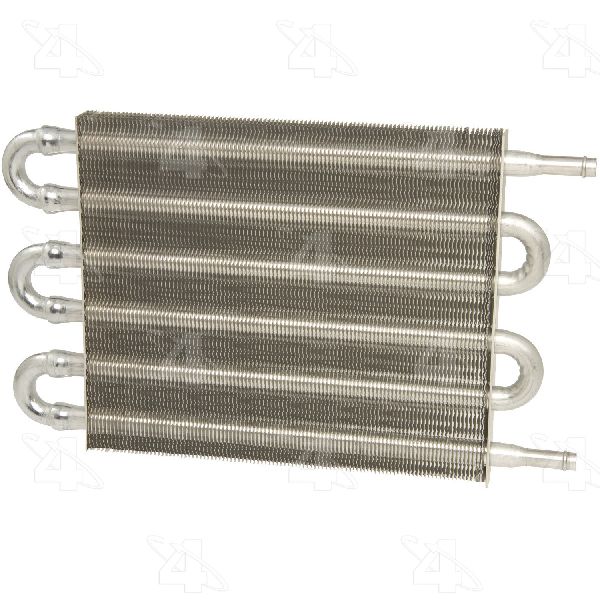
- Transmission Fluid Leaks: This is the most obvious sign. You might see puddles of reddish fluid under the front of your Tracker. Leaks can come from the cooler itself, which often looks like a small, finned rectangle, or the rubber and metal lines connected to it.
- Transmission Slipping or Shifting Poorly: If the fluid is low due to a leak or is overheated and burnt, the transmission may struggle to shift gears smoothly. You might feel a delay, a clunk, or hesitation when it shifts.
- Overheating Transmission: While your Tracker may not have a dedicated transmission temperature gauge, a transmission that is running too hot can make the whole engine run hotter. You might notice a general burning smell after driving.
- Unusual Noises: Whining or grinding sounds from the transmission area can indicate that internal parts are not being properly lubricated due to fluid that is too hot or too low.
Check Your Fluid!
If you suspect a problem, check your transmission fluid. Park on a level surface with the engine running and the transmission in Park or Neutral (check your owner's manual). The dipstick should show a level in the 'hot' range and the fluid should be bright red and not smell burnt. Low, dark, or smelly fluid indicates a problem.
Choosing the Right Aftermarket Cooler
For a vehicle like the 1989-1991 GMC Tracker, finding a new original equipment (OEM) cooler is nearly impossible. The aftermarket is your best and only realistic option. Modern aftermarket coolers are often more efficient than the original parts, using better designs to cool your fluid.
Here’s a look at the brands available:
- Hayden: A very well-known and respected brand in transmission cooling. Hayden coolers are often considered a high-quality, reliable choice and a good value. They are a popular option for both standard replacement and for those who want a slight upgrade in cooling performance.
- Four Seasons: A massive supplier of all kinds of aftermarket parts. Four Seasons provides dependable, standard-replacement quality parts that are designed to meet original specifications. They are a solid choice for a daily driver.
- Global Parts: Similar to Four Seasons, Global Parts is a large distributor offering parts that are considered OEM-equivalent. This is a reliable option for restoring the system to its original function.
Pro Tip: Plate-and-Fin vs. Tube-and-Fin
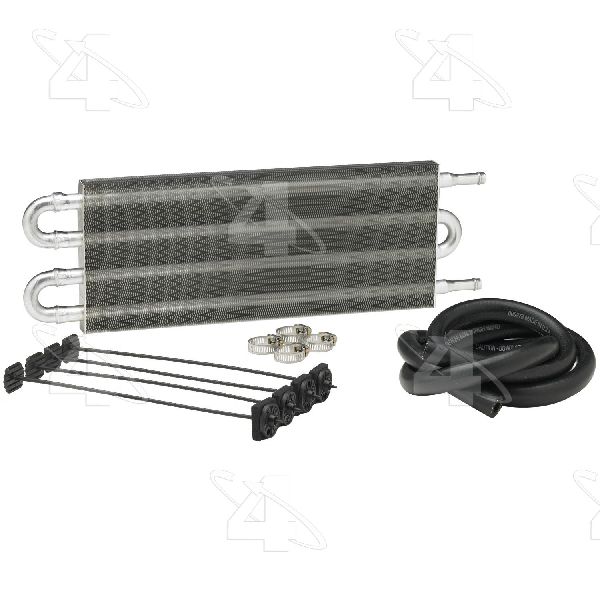
When shopping, you may see coolers described as "plate-and-fin" or "tube-and-fin." Plate-and-fin coolers are a more modern and efficient design that offers better cooling in a smaller package. If you have the option, choosing a plate-and-fin style cooler is a good upgrade for your Tracker.
Cost to Replace a GMC Tracker Transmission Cooler
The cost to replace the cooler is reasonable, especially if you can do the work yourself. The bigger cost is the potential damage to the transmission if a bad cooler is ignored.
| Part or Service | Estimated Cost |
|---|---|
| New Aftermarket Cooler | $52 - $96 |
| Shop Labor | $120 - $250 |
| Total Estimated Cost | $172 - $346 |
Frequently Asked Questions
Can I install a transmission cooler myself?
Yes, if you have some mechanical experience. The job involves draining some fluid, disconnecting the old lines and cooler, and bolting the new one in place. The main challenges are accessing the cooler and dealing with old, potentially rusty fittings without breaking them. Always use a flare nut wrench on fittings to avoid stripping them and make sure all connections are secure to prevent leaks.
What type of transmission fluid does my 1989-1991 GMC Tracker use?
Your Tracker requires a fluid that meets Dexron specifications. Dexron-III would have been the original type, but modern Dexron-VI is compatible and offers better performance. You will lose some fluid when changing the cooler, so be sure to have a quart or two on hand to top it off.
Can I just bypass a leaking cooler?
No, this is not recommended. Bypassing the cooler will cause your transmission to overheat very quickly, leading to rapid wear and certain failure. The cooler is a critical part of the system and must be functional.
Do I need a bigger, heavy-duty cooler?
For most owners, a standard replacement cooler is sufficient. However, if you frequently tow a small trailer, do a lot of low-speed off-roading, or live in a very hot climate, upgrading to a slightly larger plate-and-fin style cooler can provide extra protection and peace of mind.
Technical Specifications
Required Fluid Type: Dexron-III / VI Automatic Transmission Fluid.
We Have This Part in Stock


The information in this article is provided for general reference and educational purposes only. Vehicle specifications, procedures, and part compatibility can vary by production date, trim level, and region. Always consult your vehicle's factory service manual and verify part numbers before purchasing or performing repairs. Safety-critical components such as airbags, seat belts, and braking systems should be installed by a qualified professional.
- GMC Tracker: