

Accessory Drive Belt Guide for the 1989-1991 GMC Tracker
Understand the multi-belt system on your Tracker and choose the right replacement parts.
- Your Tracker uses multiple V-belts, not a single serpentine belt; confirm your A/C and power steering options before buying.
- Squealing noises and visible cracks are the most common signs that your belts need to be replaced.
- Aftermarket brands like Gates, Bando, and Continental offer OEM-equivalent quality and are excellent choices for this vehicle.
- If a belt breaks, stop driving immediately to prevent engine overheating and getting stranded.
Understanding Your Tracker's Accessory Belts
When shopping for a "serpentine belt" for your 1989-1991 GMC Tracker, it's important to know that your vehicle actually uses two or more separate belts to run its accessories. This is different from modern cars that use a single, long serpentine belt. The belts you need depend on whether your Tracker has options like Air Conditioning (A/C) and Power Steering (P/S). Always confirm your vehicle's setup before purchasing to ensure you get the correct length and type of belts.
Signs of a Failing Accessory Belt
A worn-out belt will give you clear warning signs. Ignoring them can leave you stranded when a belt snaps. Watch for these symptoms:
- Squealing Noises: A high-pitched squeal or chirp from the engine, especially when you start it, accelerate, or turn on the A/C, is the most common sign. This means the belt is slipping because it's worn, loose, or contaminated with fluid.
- Visible Damage: Inspect the belts. If you see cracks, splits, fraying edges, or missing chunks of the ribs, the belt is failing and needs immediate replacement. A glazed or shiny appearance on the belt's surface also indicates wear.
- Accessory Problems: If your battery light comes on (alternator not charging), the engine temperature rises (water pump not turning), or the steering becomes heavy (power steering not working), a belt has likely failed.
Do Not Drive with a Broken Belt
If an accessory belt breaks, pull over safely and shut off the engine immediately. Driving without the belt that runs the water pump will cause the engine to overheat quickly, leading to severe and expensive damage. A broken alternator belt will leave you stranded with a dead battery.
Choosing the Right Aftermarket Belt
For a vehicle like the '89-'91 Tracker, aftermarket belts provide excellent quality, often matching or exceeding original equipment (OE) standards. The GMC Tracker is a rebadged Suzuki, so brands that are OE suppliers for Japanese vehicles are excellent choices.
Brand Quality Tiers
- Top-Tier / OEM-Equivalent: Brands like Gates, Bando, and Mitsuboshi are highly respected and often used as original equipment on Japanese vehicles. Gates is consistently praised by mechanics for its durability and reliability. You can't go wrong with these brands for a long-lasting, quiet belt.
- Excellent Aftermarket: Continental and Dayco are also trusted, high-quality brands. Continental, which now produces the well-regarded "Elite" series (formerly Goodyear Gatorback), is a strong choice. Dayco is a solid, widely available option that provides reliable performance.
Pro Tip: Check Your Pulleys
When you replace your belts, take a moment to inspect the pulleys they ride on. Spin the tensioner and idler pulleys by hand. If they feel rough, make noise, or wobble, they should be replaced. A bad pulley can destroy a new belt very quickly.
Accessory Belt Replacement Cost
The cost to replace the accessory belts on a 1989-1991 GMC Tracker is very reasonable. The parts are inexpensive, and labor is straightforward.
| Part Type | Estimated Cost (Per Belt) |
|---|---|
| New Aftermarket Belts | $9.42 - $39.12 |
| Shop Labor | $50 - $100 |
Frequently Asked Questions
How do I know which belts to buy for my Tracker?
The easiest way is to identify which accessories your vehicle has. Check if you have an A/C compressor and a power steering pump. Parts are listed based on these configurations (e.g., "With A/C, Without P/S"). If you are unsure, removing the old belts and matching their length and rib count is a foolproof method.
Is there a recall for the serpentine belts on this truck?
No, there are no recalls or common Technical Service Bulletins (TSBs) from GM or the NHTSA related to the accessory drive belts for the 1989-1991 GMC Tracker.
Should I replace the belt tensioner at the same time?
It's highly recommended to inspect the tensioner when replacing the belts. On these models, the tension is often adjusted manually by loosening a component like the alternator. If your vehicle has a spring-loaded tensioner pulley, check it for smooth operation and proper tension. If the pulley is noisy or the tension feels weak, it's wise to replace it to protect your new belts.
Is OEM better than aftermarket for these belts?
For this vehicle, top-tier aftermarket brands like Gates, Bando, or Continental offer quality that is equivalent to the original OEM part. Many aftermarket companies are the direct suppliers to auto manufacturers. Given the age of the vehicle, a quality aftermarket belt is a reliable and cost-effective choice.
Technical Specifications
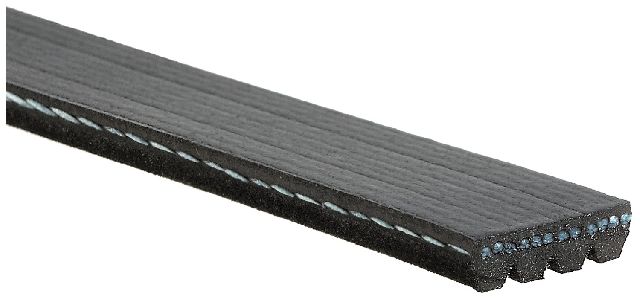
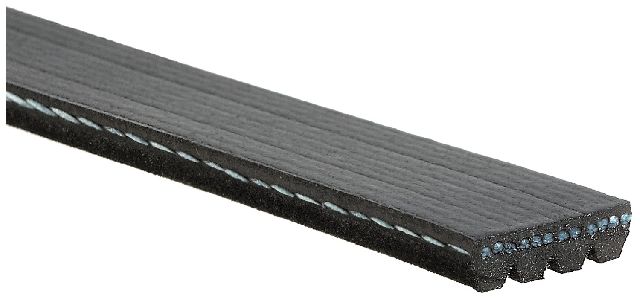
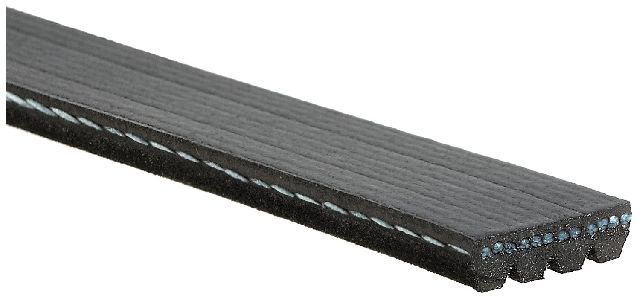
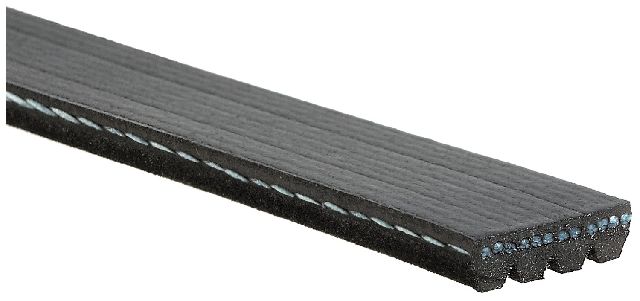
Belt material is typically EPDM rubber. The critical specifications are the length, top width, and rib quantity (e.g., 4-rib). These must match your vehicle's specific engine and accessory configuration (with/without A/C, with/without Power Steering).
We Have This Part in Stock

The information in this article is provided for general reference and educational purposes only. Vehicle specifications, procedures, and part compatibility can vary by production date, trim level, and region. Always consult your vehicle's factory service manual and verify part numbers before purchasing or performing repairs. Safety-critical components such as airbags, seat belts, and braking systems should be installed by a qualified professional.
- GMC Tracker: