

Catalytic Converter Replacement Guide for the 1989-1993 Mazda MPV
Everything you need to know before replacing the catalytic converter on your first-generation Mazda MPV.
- Your 1989-1993 MPV will not show a 'Check Engine' light for a bad converter; rely on physical symptoms like power loss and strange smells.
- Choose between a bolt-on Direct-Fit converter for easy DIY installation or a weld-in Universal converter for the lowest part cost.
- Always verify the part fits your specific engine (2.6L or 3.0L) and drivetrain (RWD or 4WD) before ordering.
- Fixing any engine misfires or oil leaks before replacing the converter is critical to prevent damaging the new part.
Is Your MPV's Catalytic Converter Failing?
On a 1989-1993 Mazda MPV, you won't get a "Check Engine" light with a specific code like P0420 that newer cars do. You have to pay attention to how your van is driving. A failing catalytic converter is essentially a clogged exhaust, and the symptoms are noticeable.
OEM vs. Aftermarket Converters
When replacing the converter on an older vehicle like the first-gen MPV, the main difference between Original Equipment Manufacturer (OEM) and aftermarket parts is cost and material composition. OEM converters, if you can find them, are made to the exact original specifications and often contain a higher load of precious metals, which makes them very expensive. Aftermarket parts are a much more affordable and widely available option. For a vehicle of this age, a quality aftermarket converter from a reputable brand is a practical choice that can perform well without the high price tag of an OEM part. Aftermarket brands design parts to meet federal EPA emissions standards, which is sufficient for these pre-OBDII vehicles in most states.
Choosing the Right Aftermarket Converter
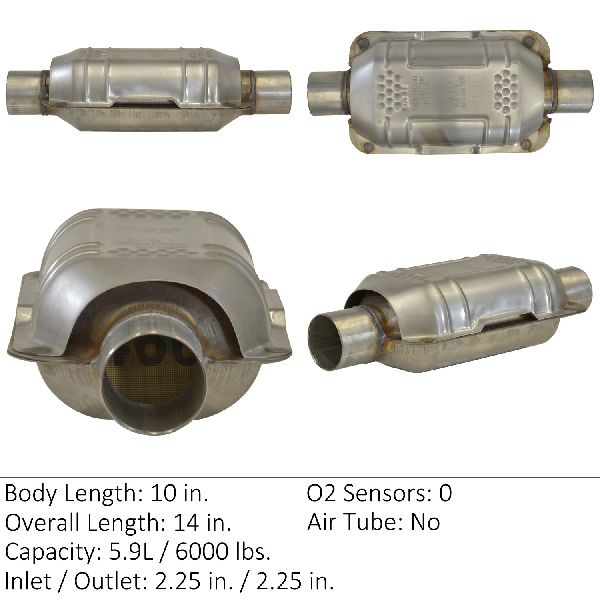
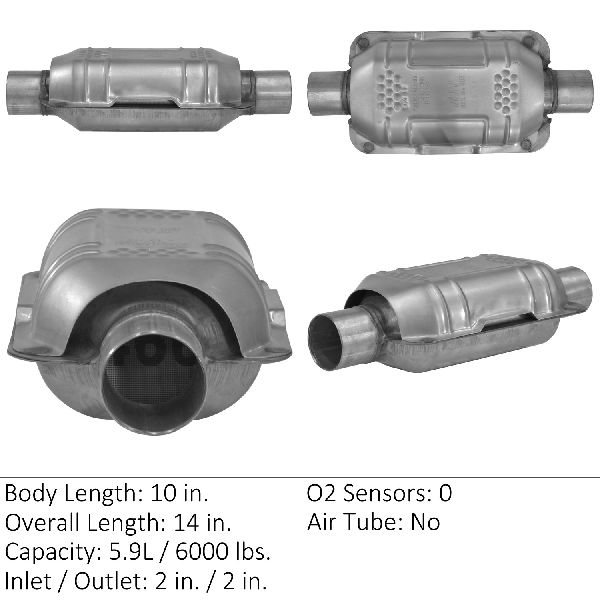
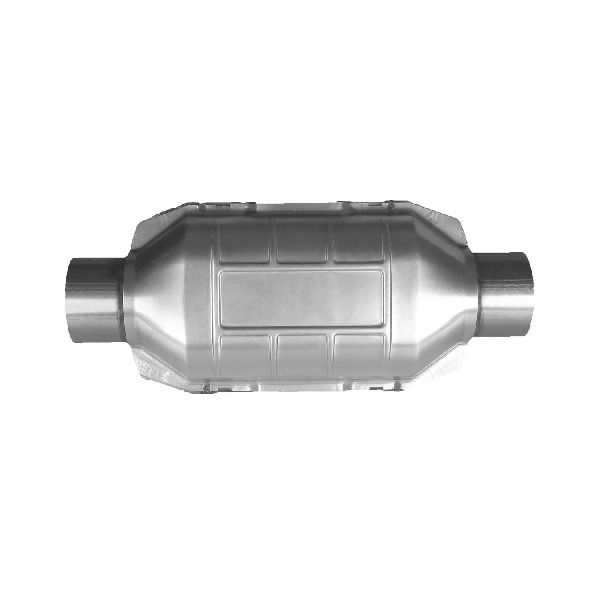
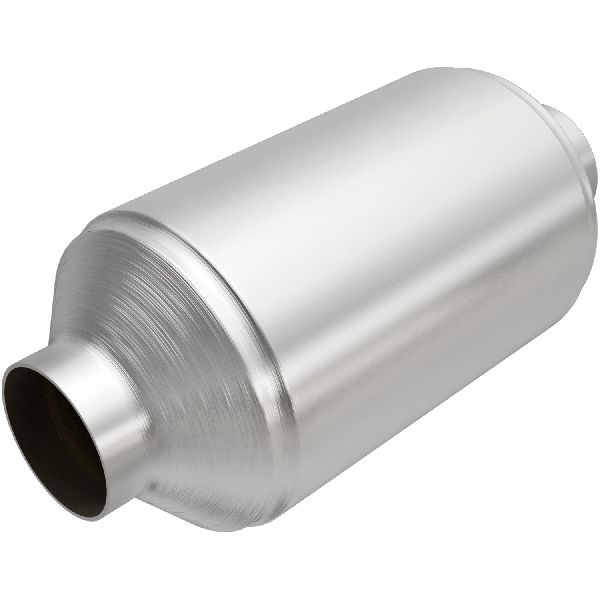
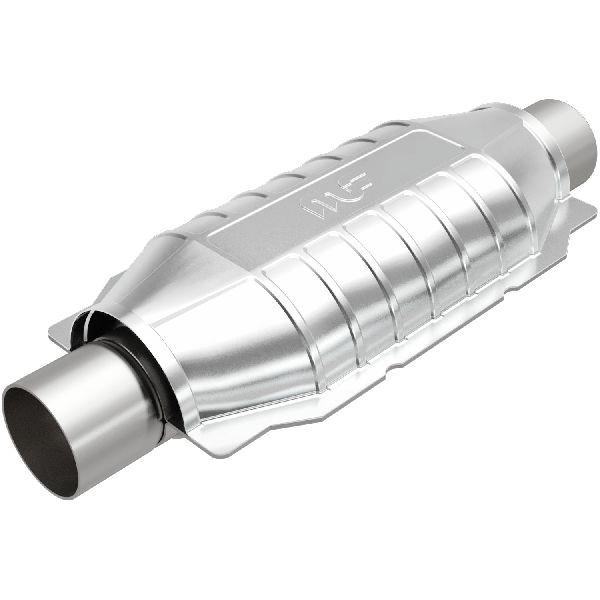
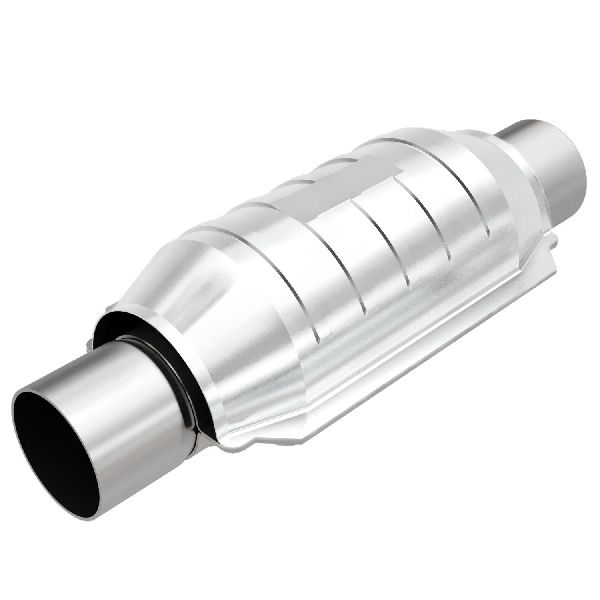
There are two main types of aftermarket converters for your MPV: Direct-Fit and Universal. Your choice depends on your budget and installation preference.
| Type | Description | Best For |
|---|---|---|
| Direct-Fit | These are designed to bolt right into the factory location with no modifications needed. They come with the correct flanges and hangers, making for a simpler installation. Brands like MagnaFlow and AP Exhaust offer direct-fit options. | DIY installers or those who want a straightforward, faster installation without welding. |
| Universal | These converters are not bolt-on parts. They are designed to fit a wide range of vehicles but require cutting and welding to fit into your MPV's exhaust pipe. They are often the most budget-friendly option. | Owners on a tight budget who have access to welding equipment or are having the part professionally installed by an exhaust shop. |
Aftermarket Brand Tiers for Your MPV
Several brands offer converters for your 1989-1993 MPV. Quality can vary, so it's important to choose a reputable manufacturer.
- MagnaFlow: Often considered a higher-tier aftermarket brand, MagnaFlow converters are known for stainless steel construction and designs that focus on good exhaust flow. They offer direct-fit options for the MPV, which simplifies installation.
- Walker Exhaust: A well-known name in exhaust parts, Walker provides direct-fit and universal options that are often priced competitively. They are generally seen as a solid, standard replacement choice.
- AP Exhaust / Eastern Catalytic: These brands provide budget-friendly universal and direct-fit options specifically engineered for pre-OBDII vehicles like the early MPV. They can be a good value, but some users report that fitment on universal parts can require more work.
A Note on Engine Type and Drivetrain
The 1989-1993 MPV was available with a 2.6L 4-cylinder or a 3.0L V6 engine, and with either Rear-Wheel Drive (RWD) or 4-Wheel Drive (4WD). The exhaust configuration can differ. Always verify that the part you are ordering is specified for your exact engine and drivetrain combination.
Frequently Asked Questions
Do I need to replace my oxygen sensors with the catalytic converter?
While not always required, it is a good practice. A failing converter can be caused by other issues, and old oxygen sensors can provide inaccurate readings. Since you are already working on the exhaust, replacing them at the same time can prevent future problems.
Are there any recalls for the 1989-1993 Mazda MPV catalytic converter?
No, there are no specific recalls or technical service bulletins (TSBs) from Mazda or the NHTSA for the catalytic converter on the 1989-1993 model year MPVs. Recalls for MPVs in other years are typically for different issues, like airbags.
Will a new aftermarket converter fix my emissions test failure?
Yes, if the converter was the cause of the failure. A new, functioning aftermarket converter from a reputable brand is designed to meet EPA emissions standards and should allow your vehicle to pass an emissions test. However, make sure to fix any underlying engine problems first, as they can quickly destroy a new converter.
What's the difference between a Federal/EPA and a CARB-compliant converter?
Federal or EPA-compliant converters are for use in most states. CARB (California Air Resources Board) compliant converters are required for vehicles registered in California and a few other states that have adopted their stricter standards (like NY and ME). For a pre-OBDII vehicle like the '89-'93 MPV, a Federal/EPA converter is typically sufficient unless you live in a CARB state. Always check your local regulations.
Technical Specifications
OEM Part Numbers: KL01-20-600A KL50-20-600
This vehicle is Pre-OBDII. Most aftermarket replacements are Federal EPA-compliant and are available in either direct-fit or universal configurations. Construction is typically stainless or aluminized steel with a ceramic substrate.
We Have This Part in Stock

The information in this article is provided for general reference and educational purposes only. Vehicle specifications, procedures, and part compatibility can vary by production date, trim level, and region. Always consult your vehicle's factory service manual and verify part numbers before purchasing or performing repairs. Safety-critical components such as airbags, seat belts, and braking systems should be installed by a qualified professional.
- Mazda MPV: