

Choosing the Right Radiator for Your 1989-1993 Nissan Maxima
Keep your Maxima's VG30E engine cool by understanding your radiator replacement options.
- The most common radiator failure is a leak between the plastic end tank and the aluminum core.
- For a daily driver, a standard aftermarket brand like Spectra offers a good balance of quality and cost.
- Always replace the radiator cap and thermostat when you replace the radiator for a complete and reliable repair.
- Ensure you order the correct part for your transmission type (automatic or manual).
Is Your Maxima's Radiator Failing?
For a car like the 1989-1993 Nissan Maxima, the original radiator has likely seen many miles. The most common failure point is where the plastic end tanks are crimped to the aluminum core. Over many years of heating and cooling, the seal between these two parts can weaken, causing leaks. You might see white crusty residue or notice the sweet smell of antifreeze after a drive. 🎬 Watch this guide on finding common Maxima radiator leaks. Don't ignore these signs.
Common Failure Symptoms
- Engine Temperature Gauge Climbing: If the needle on your dash starts rising above the halfway mark, especially in traffic, your cooling system is struggling.
- Visible Coolant Leaks: Puddles of green or pink fluid under the front of your car are a clear sign of a leak. Check hoses, but the radiator itself is a common source.
- Steam or Smoke from Under the Hood: If you see steam, pull over immediately. This means coolant is leaking onto hot engine parts.
- Low Coolant Level: Frequently needing to top off your coolant reservoir means the fluid is going somewhere it shouldn't.
Choosing the Right Aftermarket Radiator
For a vehicle of this age, an Original Equipment Manufacturer (OEM) radiator from Nissan is likely unavailable or extremely expensive. The good news is that aftermarket radiator technology has improved, and a quality replacement can serve you well. Most aftermarket options will have the same plastic tank and aluminum core design as the original. Here’s a breakdown of the brands available.
🎬 Learn more about choosing between stock and aftermarket radiators.Brand Quality Tiers
When shopping for your Maxima, you'll find a few common brands. It's important to understand that you often get what you pay for.
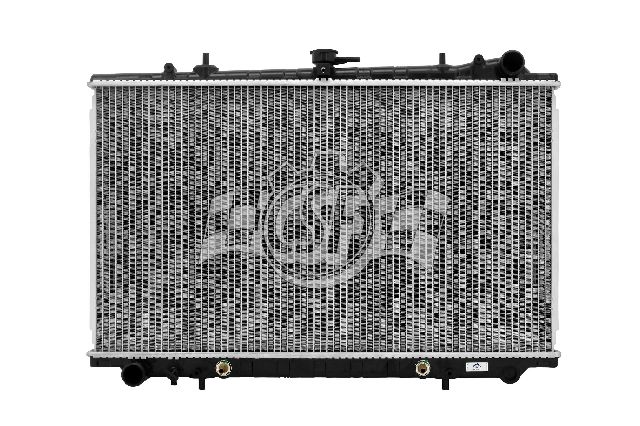
- Premium Aftermarket (CSF Radiator): CSF is known for high-quality construction, often exceeding OEM specifications. They are well-regarded for their all-aluminum radiators and robust TIG-welded designs, which eliminate the plastic end tanks that are a common failure point. While they are the most expensive aftermarket option, they offer superior durability and peace of mind, making them a worthwhile investment for owners who plan to keep their Maxima for the long haul.
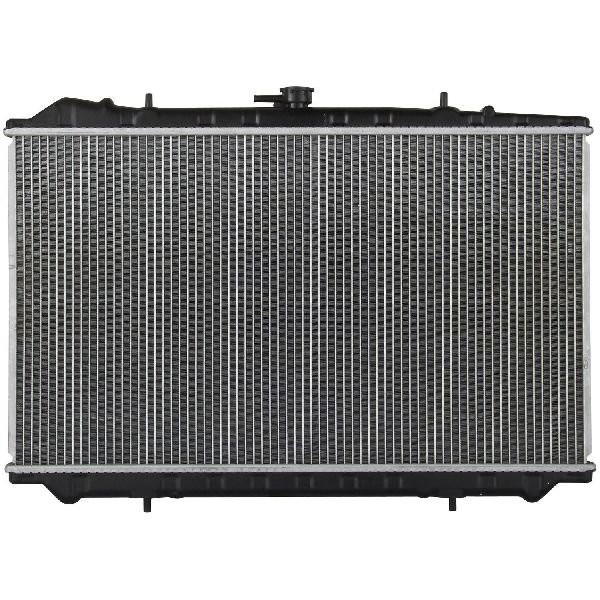
- Standard Aftermarket (Spectra): Spectra is a widely available and generally reliable choice. They are a common replacement part and many owners have used them with success for years. While some professional installers have noted issues in the past, the brand's quality has reportedly improved. Always check that all necessary fittings and adapters are included.
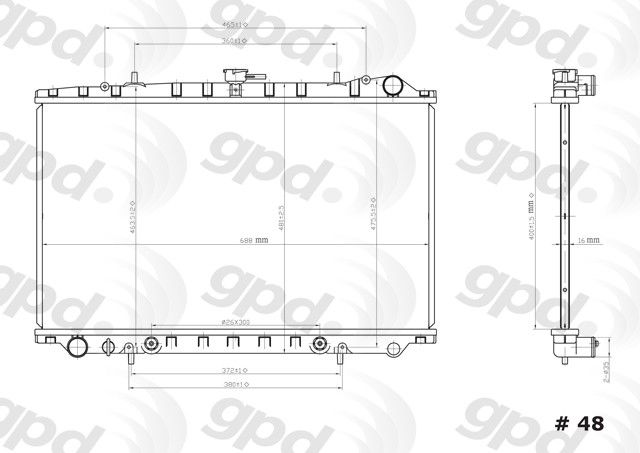
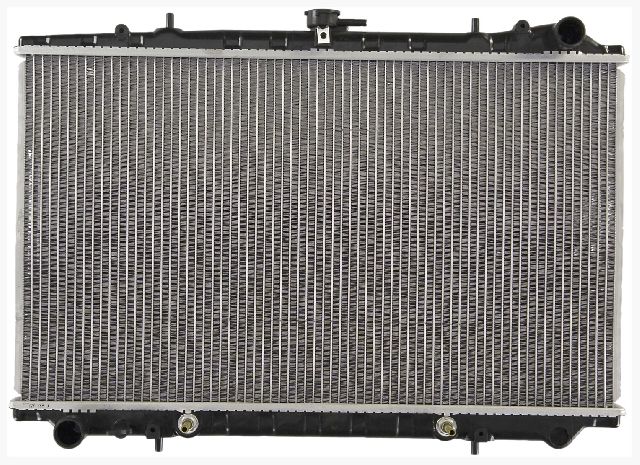
- Budget-Friendly (APDI, Global Parts): APDI and Global Parts are typically the most affordable options. They are considered entry-level or "economy" parts. While they will function, their long-term durability can be a concern for some mechanics and owners. These may be a suitable choice if you're on a tight budget or the vehicle is not a daily driver, but be aware that the lifespan might not match that of a premium or standard brand.
Pro Tip: Check the Transmission Cooler
If your Maxima has an automatic transmission, the radiator has an internal cooler for the transmission fluid. When ordering, make sure you get the correct radiator for your transmission type (automatic or manual). Using the wrong one can lead to serious transmission problems.
Cost of Replacing Your Radiator
The cost will depend on the brand you choose and whether you do the work yourself or hire a professional mechanic.
| Part/Service | Estimated Cost |
|---|---|
| New Aftermarket Radiator | $85 - $175 |
| Shop Labor | $150 - $300 |
| Total Professional Replacement | $235 - $475 |
Frequently Asked Questions
Is it hard to replace the radiator on a 1989-1993 Maxima?
For a DIYer with some experience, it's a manageable job. It involves draining the coolant, disconnecting hoses and transmission lines (if automatic), unbolting the fans and the radiator itself, and then reversing the process. If you are not comfortable working with fluids and tools, it's best to leave this to a professional.
Should I replace my radiator cap and thermostat at the same time?
Yes, absolutely. A new radiator cap is essential for maintaining proper system pressure. 🎬 See how to pressure test your cooling system for leaks. A faulty cap can cause the system to not pressurize correctly, leading to overheating. The thermostat is another inexpensive but critical part that regulates coolant flow. Replacing all three components at once is a smart and inexpensive way to ensure your cooling system works perfectly.
What kind of coolant should I use in my Maxima?
Always use a high-quality ethylene glycol-based coolant, often referred to as "green" coolant, which was standard for vehicles of this era. Mix it 50/50 with distilled water. Using distilled water is important because tap water contains minerals that can cause deposits and corrosion inside your new radiator.
Can I use a radiator from a junkyard?
While possible, it's generally not recommended. A used radiator's history is unknown, and it could have internal blockages or be close to failing itself. Given the affordable price of new aftermarket radiators, investing in a new part with a warranty is a much safer choice for the health of your engine.
Helpful Videos
Technical Specifications
OEM Part Numbers: 21460-85E00 21460-85E01 21460-95E00
Core Material: Aluminum, Tank Material: Plastic, Transmission: Verify Automatic or Manual fitment.
We Have This Part in Stock

The information in this article is provided for general reference and educational purposes only. Vehicle specifications, procedures, and part compatibility can vary by production date, trim level, and region. Always consult your vehicle's factory service manual and verify part numbers before purchasing or performing repairs. Safety-critical components such as airbags, seat belts, and braking systems should be installed by a qualified professional.
- Nissan Maxima: