

Replacing the Catalytic Converter on Your 1989-1994 Audi 100
Everything you need to know before buying a new aftermarket catalytic converter for your Audi 100.
- Fix any engine problems like misfires or fuel leaks BEFORE replacing the converter to avoid damaging the new part.
- A direct-fit converter is highly recommended over a universal one to ensure proper installation without welding.
- Confirm the converter is legal for your state (especially if you live in CA or NY) to pass emissions tests.
- Symptoms like power loss, rattling, or a rotten egg smell strongly point to a failing catalytic converter.
Is Your Catalytic Converter Failing?
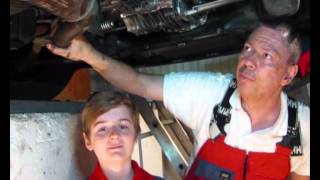
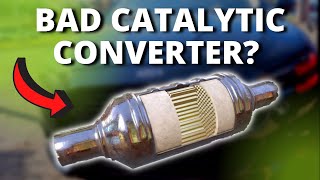
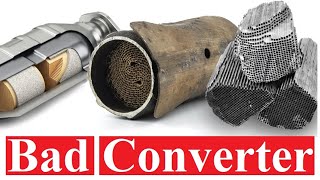
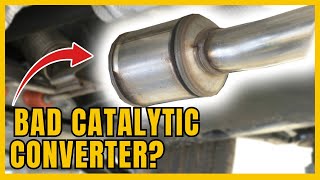
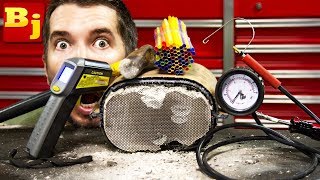
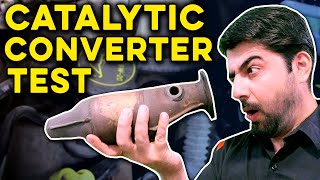
A catalytic converter is designed to last a long time, but they can fail, especially on older vehicles. A clogged or damaged converter can cause serious performance issues. 🎬 Watch: Common symptoms of a failing catalytic converter The most common reason for failure is an engine problem, like a misfire, that sends unburned fuel into the hot exhaust, melting the converter's internal structure. Leaking engine oil or coolant can also find its way into the exhaust and clog the converter.
Choosing the Right Aftermarket Converter
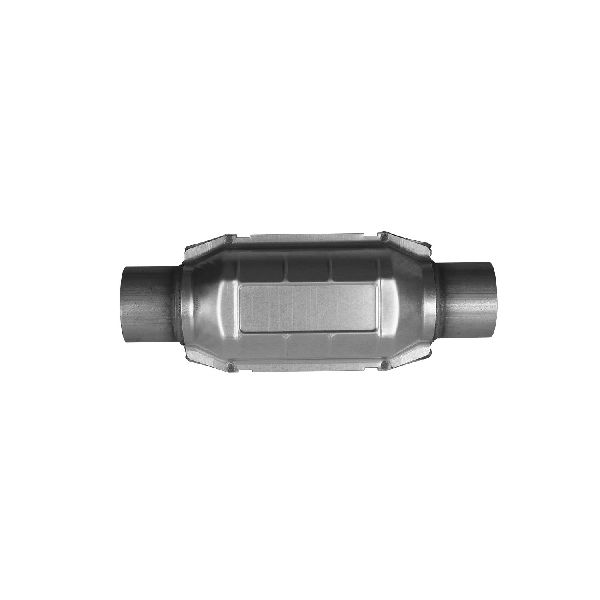
When replacing the catalytic converter on your 1989-1994 Audi 100, you don't have to buy an expensive part from the dealer. Aftermarket brands offer a wide range of options that can save you money. They are generally categorized as universal-fit or direct-fit. A direct-fit part is designed to bolt right into the original location without modification, while a universal part will require cutting and welding for proper installation. For a vehicle of this age, a direct-fit part is highly recommended to avoid installation headaches.
🎬 See this step-by-step Audi 100 converter replacement walkthroughAftermarket Brand Tiers
| Tier | Brands | Description |
|---|---|---|
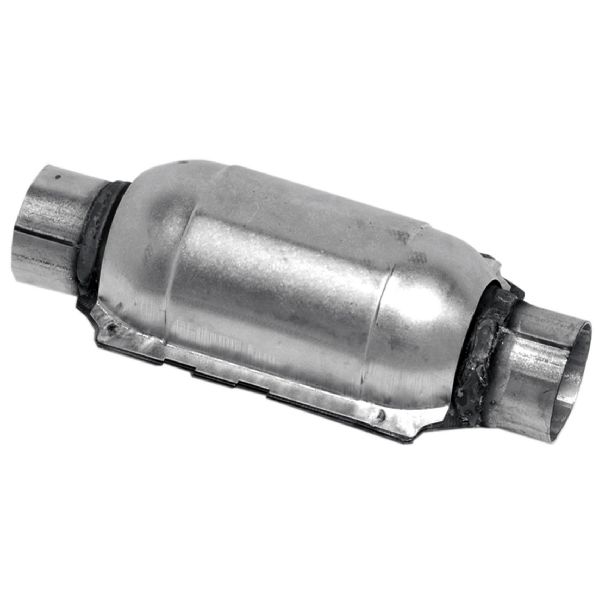
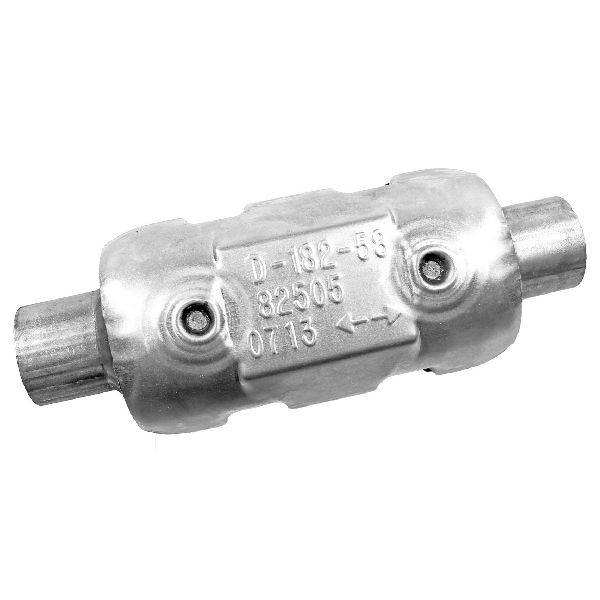
| Economy/Standard | AP Exhaust, Eastern Catalytic, Walker Exhaust | These brands provide affordable, functional replacements that are a good match for a daily-driven Audi 100. Walker is a long-standing brand known for good direct-fit products that work well for passing inspections. Eastern Catalytic is also considered a dependable choice for quality and durability, often with a 50,000-mile warranty. However, some users report minor fitment issues or lower durability compared to OEM, with lifespans sometimes in the 25,000-60,000 mile range. |
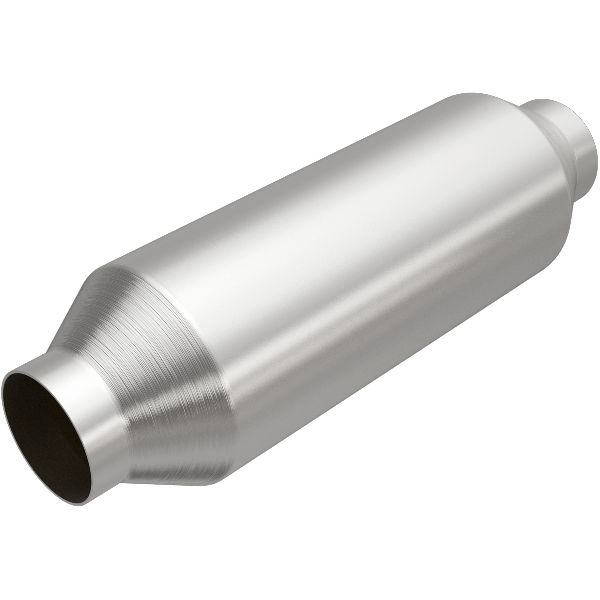
| Performance/Premium | MagnaFlow, MagnaFlow Performance Exhaust | MagnaFlow is known for high-quality stainless steel construction and improved exhaust flow, which can sometimes offer a slight performance improvement. They are a popular choice for enthusiasts and those looking for a longer-lasting, more durable part than standard replacements. While they cost more, their build quality is generally considered a step up from economy brands. |
A Critical Note on Emissions Compliance
Before purchasing any aftermarket catalytic converter, verify that it is legal for use in your state. Some states, like California and New York, have stricter emissions standards (CARB compliance) and require specific converters. A Federal or EPA-compliant converter may not be legal in these states and will cause you to fail an emissions test. Always check the part's specifications for state legality.
Known Issues for This Vehicle
No recalls or Technical Service Bulletins (TSBs) specifically for the catalytic converter on the 1989-1994 Audi 100 were found in NHTSA records. However, a recall was issued for V6 models from these years concerning leaking fuel injectors (NHTSA Campaign ID: 98V332000). A fuel leak can create a fire hazard and a rich-running condition that could damage a new catalytic converter over time. It is crucial to ensure any underlying engine issues are fixed before installing a new converter to prevent repeat failure.
Frequently Asked Questions
Do I need a direct-fit or universal catalytic converter?
For the Audi 100, a direct-fit converter is strongly recommended. It is designed to match the original part's dimensions and mounting points, making installation much simpler. A universal converter requires cutting and welding, which adds labor costs and complexity.
Will a new aftermarket converter trigger my Check Engine Light?
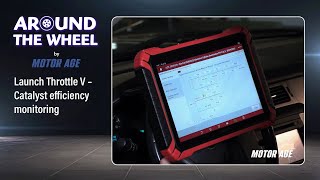
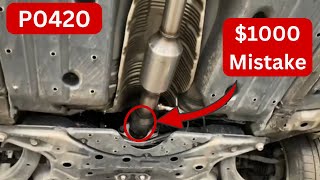
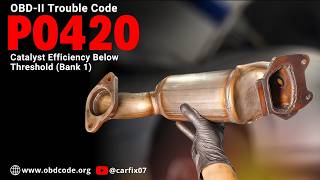
A quality, properly installed aftermarket converter that is correct for your vehicle should not cause a Check Engine Light. The most common code related to converter failure is P0420 (Catalyst System Efficiency Below Threshold). 🎬 Learn how to diagnose and fix a P0420 code If this light appears after installation, it could indicate an issue with an oxygen sensor, an exhaust leak, or an incorrect or defective part.
Why do some aftermarket converters fail so quickly?
Early failure is almost always caused by an unresolved engine problem. If your engine is misfiring or running rich (too much fuel), it will send unburned fuel into the exhaust, which will overheat and destroy the new converter. Always diagnose and repair any engine performance issues before replacing the converter.
Will a MagnaFlow converter make my car louder?
A new catalytic converter itself does not significantly increase exhaust noise; that is the job of the muffler. However, if your old converter was clogged, a new high-flow model like a MagnaFlow might slightly change the exhaust tone to be more mellow. If your old unit was rattling because it was broken inside, a new one will make the car much quieter.
Helpful Videos
Technical Specifications
OEM Part Numbers: 4A0131701N 4A0178A 855131701A 443131701B 443131701N 4A0131701AE 4A0131701AD
The 1989-1994 Audi 100 uses a variety of catalytic converters depending on the engine (I5 or V6) and drivetrain (FWD or Quattro). The C4 platform (1992-1994) often features a dual-catalyst setup. It is critical to match the new part to your specific vehicle configuration.
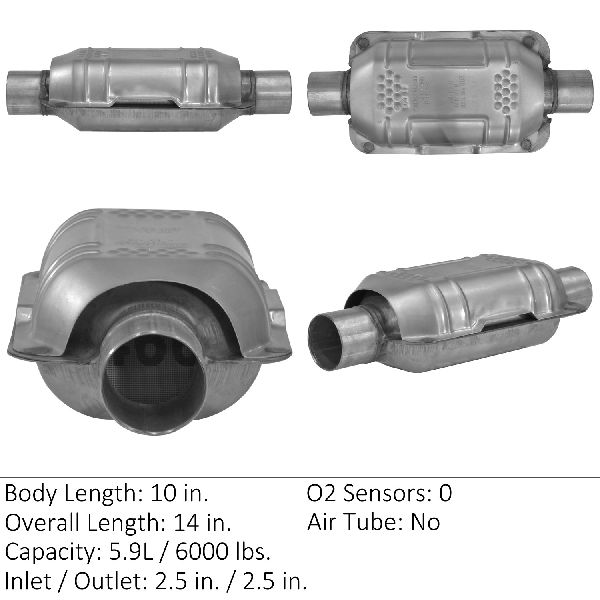
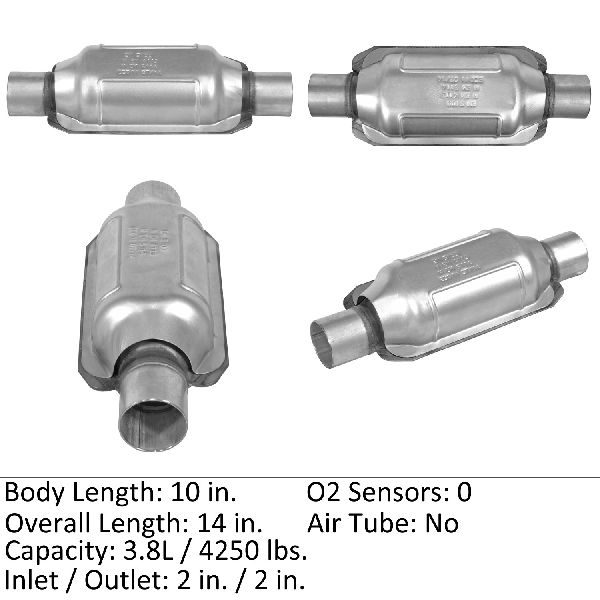
We Have This Part in Stock

The information in this article is provided for general reference and educational purposes only. Vehicle specifications, procedures, and part compatibility can vary by production date, trim level, and region. Always consult your vehicle's factory service manual and verify part numbers before purchasing or performing repairs. Safety-critical components such as airbags, seat belts, and braking systems should be installed by a qualified professional.
- Audi 100: