

Choosing the Right Aftermarket Catalytic Converter for Your 1989-1994 Dodge B250
Everything you need to know before replacing the catalytic converter on your classic Dodge van.
- A loss of engine power is the number one sign of a clogged converter on a B250.
- Before replacing a failed converter, find and fix the root cause (like engine misfires or leaks) to protect the new part.
- Direct-fit converters from brands like Walker or MagnaFlow are the best choice for DIY replacement, saving you from cutting and welding.
- If your old converter was rattling, inspect the muffler for debris that could clog the new system.
Is Your B250's Catalytic Converter Failing?
On a workhorse van like the 1989-1994 Dodge B250, the catalytic converter takes a lot of abuse. Over time, the internal ceramic can break down from heat and vibration, or it can become clogged from engine issues. Recognizing the signs of failure is the first step to getting your van back on the road with full power.
Common Failure Symptoms
- Loss of Power: This is the most common complaint. A clogged converter creates exhaust backpressure, choking the engine. You'll notice the van struggling to accelerate or climb hills.
- Rattling Noise: If the ceramic honeycomb inside breaks apart, you'll hear a rattling or metallic shaking sound from under the vehicle, especially when starting the engine or idling.
- Rotten Egg Smell: A strong sulfur or rotten egg smell from the tailpipe means the converter is no longer properly processing the exhaust gases.
- Excessive Heat: A clogged converter traps a huge amount of heat, which you might feel coming from the floor of the van, particularly around the front passenger area.
- Reduced Fuel Economy: When the engine has to work harder to push exhaust gases out, it burns more fuel.
A Note on Check Engine Lights
Because your 1989-1994 B250 was built before the OBDII diagnostic system (1996 and newer), it may not set a specific "Check Engine" light code for converter inefficiency like a modern vehicle would. You must rely on physical symptoms like power loss and rattling noises to diagnose a bad converter.
Choosing the Right Aftermarket Converter
For a vehicle of this age, an aftermarket catalytic converter is the most practical and affordable choice. OEM parts are likely discontinued or extremely expensive. Aftermarket brands like Walker and MagnaFlow offer reliable options that fit a range of budgets.
Direct-Fit vs. Universal-Fit
You will find two types of aftermarket converters:
- Direct-Fit: These are designed to bolt directly into your B250's exhaust system without any modifications. They have the correct flanges and pipe bends, making installation much easier for a DIY mechanic. They are generally more expensive.
- Universal-Fit: These are a more basic "one-size-fits-all" part that will require cutting and welding to install into your existing exhaust pipes. While cheaper, the installation is more complex and best left to an exhaust shop.
Pro Tip: For most B250 owners, a direct-fit converter is worth the extra cost. It saves significant time and frustration during installation, especially if you're working in your driveway with rusted bolts.
Brand Tiers: MagnaFlow vs. Walker
Both MagnaFlow and Walker are well-regarded brands in the aftermarket exhaust world.
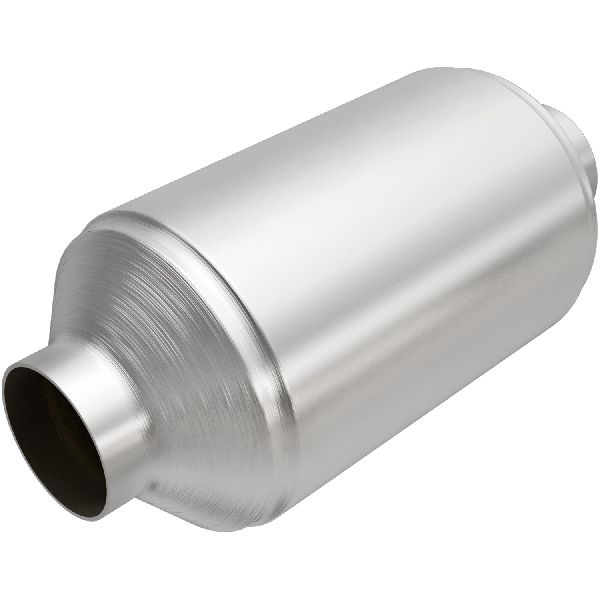
- MagnaFlow: Often considered a higher-tier brand, MagnaFlow converters are known for their durable stainless steel construction and a focus on maintaining exhaust flow for good performance. They are a great choice if you plan to keep your van for a long time or use it for heavy hauling.
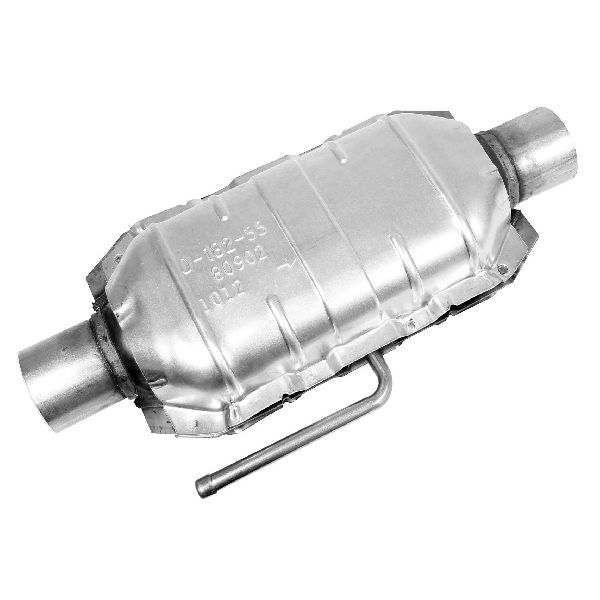
- Walker Exhaust: Walker provides a fantastic balance of quality and value. They are a go-to for reliable, budget-friendly replacements that meet federal EPA emissions standards and get the job done without breaking the bank.
Cost of Replacing a Dodge B250 Catalytic Converter
The cost can vary depending on the brand you choose and whether you do the work yourself or hire a professional.
| Part/Service | Estimated Cost |
|---|---|
| New Aftermarket Part (Universal) | $114 - $300 |
| New Aftermarket Part (Direct-Fit) | $300 - $1023 |
| Shop Labor | $150 - $250 |
| Total Professional Replacement | $264 - $1273 |
Frequently Asked Questions
What causes a catalytic converter to fail?
Converters don't usually die of old age; they are "killed." The most common causes are engine-related issues. Unburned fuel from engine misfires (due to bad spark plugs or wires) can ignite inside the converter, melting the internal structure. Oil or coolant leaks can also contaminate the catalyst, rendering it useless. Always fix the root cause of the failure before installing a new converter, or the new one will fail quickly.
Do I need a special converter for California (CARB)?
If your vehicle is registered in California, New York, Colorado, or Maine, you may be required by law to install a CARB-compliant catalytic converter. These are more expensive due to having a higher loading of precious metals. Always check your local state regulations before purchasing. Federal (EPA) converters are legal in all other states.
My old converter rattled, but the new one caused power loss. What happened?
This is a common issue. When the old converter's internal brick breaks apart, pieces can travel down the exhaust pipe and clog the muffler. After installing a new converter, the exhaust is still blocked downstream by the debris in the muffler, causing severe power loss. It's wise to inspect or replace the muffler at the same time as a failed converter, especially if it was rattling.
Were there any recalls for the 1989-1994 Dodge B250 catalytic converter?
No. Searches of the National Highway Traffic Safety Administration (NHTSA) database and other records show no specific recalls or technical service bulletins (TSBs) for catalytic converter issues on the 1989-1994 Dodge B250.
Technical Specifications
Fitment for the 1989-1994 Dodge B250 varies by engine (3.9L V6, 5.2L V8, 5.9L V8) and emissions type (Federal EPA vs. CARB). Aftermarket parts are typically made from stainless or aluminized steel. Direct-fit models are designed for bolt-on installation, while universal models require welding. Check for features like air tube connections, which may be present on some models.
We Have This Part in Stock
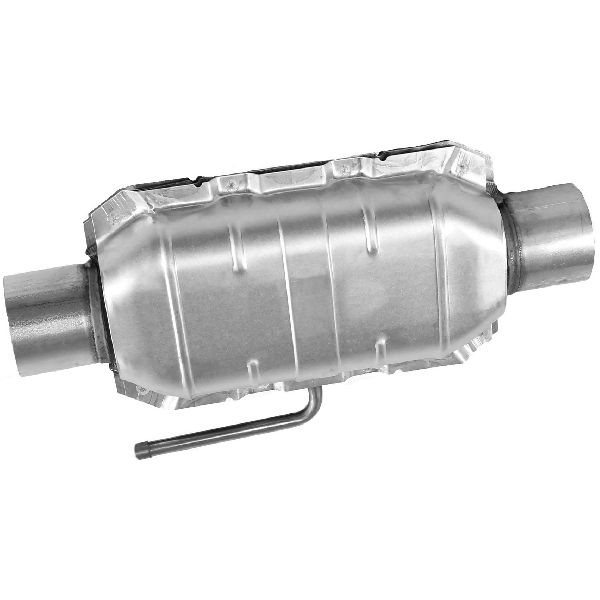
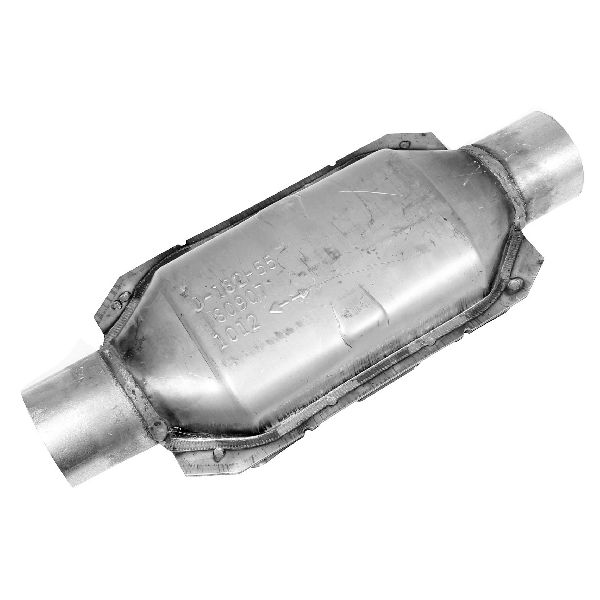
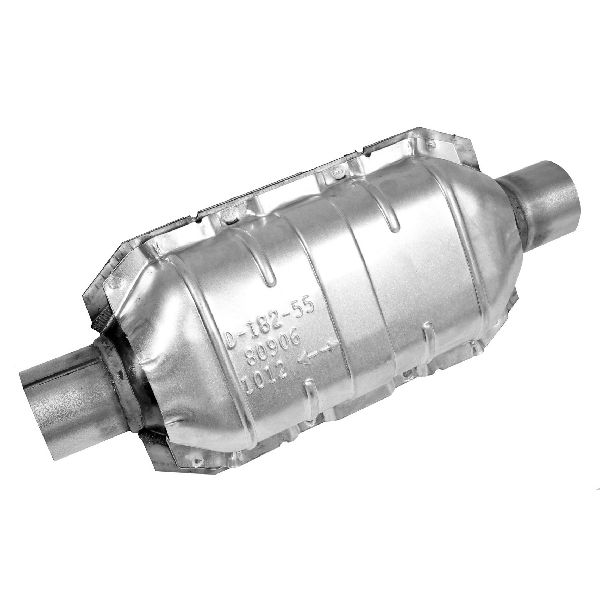
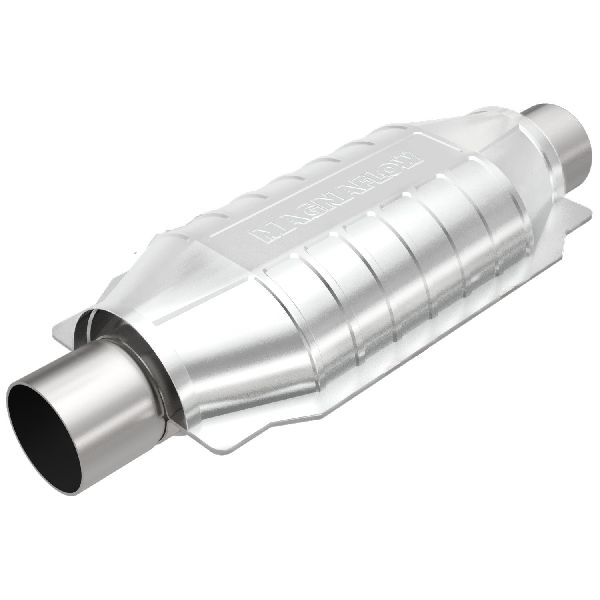

The information in this article is provided for general reference and educational purposes only. Vehicle specifications, procedures, and part compatibility can vary by production date, trim level, and region. Always consult your vehicle's factory service manual and verify part numbers before purchasing or performing repairs. Safety-critical components such as airbags, seat belts, and braking systems should be installed by a qualified professional.
- Dodge B250:
- 🛍️ Shop This Part
- Is Your B250's Catalytic Converter Failing?
- Common Failure Symptoms
- A Note on Check Engine Lights
- Choosing the Right Aftermarket Converter
- Direct-Fit vs. Universal-Fit
- Brand Tiers: MagnaFlow vs. Walker
- Cost of Replacing a Dodge B250 Catalytic Converter
- Frequently Asked Questions
- 🎟️ Get 5% Off