

A/C Receiver Drier Guide for the 1989-1994 Suzuki Swift
Everything you need to know about replacing the A/C receiver drier on your Swift to keep the air blowing cold.
- The receiver drier MUST be replaced any time the A/C system is opened for another repair, like a compressor or hose replacement.
- Replacement is not a DIY job; it requires professional equipment to handle refrigerant legally and safely.
- Symptoms of failure include poor cooling, musty smells, and rattling noises.
- For this vehicle, quality aftermarket brands like Four Seasons and GPD are the only practical options.
Is Your Swift's A/C Blowing Warm?
When the air conditioning in your 1989-1994 Suzuki Swift isn't performing, the receiver drier could be the culprit. This part doesn't fail on its own often; its failure is usually due to other issues. Over time, the desiccant material inside gets saturated with moisture and can't absorb any more. A clog inside the drier can also block the flow of refrigerant, leading to warm air from your vents.
Symptoms of a Bad A/C Receiver Drier
A failing receiver drier can cause several problems. Catching them early can prevent more expensive repairs down the road.
- Poor Cooling Performance: This is the most common symptom. A clogged or saturated drier restricts refrigerant flow, resulting in weak or no cooling from your vents.
- Musty or Moldy Smell: When the desiccant can no longer absorb moisture, mold can grow in the damp A/C system, causing a bad smell.
- Rattling Noises: If the desiccant bag breaks or internal parts come loose, you might hear a rattling sound from the engine bay when the A/C is on.
- Frost on A/C Parts: Visible frost on the drier itself or the connected A/C lines can indicate a severe blockage that causes a rapid pressure drop and freezing.
- Refrigerant Leaks: While less common for the drier itself, you might see oily residue on the part or its fittings.
The Golden Rule of A/C Repair
The A/C receiver drier must be replaced any time the A/C system is opened for a repair. This includes replacing the compressor, condenser, or any hoses. Once the desiccant inside is exposed to the atmosphere, it becomes saturated with moisture in just a few hours and is no longer effective. Skipping this step will void the warranty on a new compressor and lead to premature failure of the A/C system.
Choosing the Right Aftermarket Drier for Your Swift
For a vehicle like the 1989-1994 Suzuki Swift, finding a new Original Equipment (OEM) receiver drier is highly unlikely. The aftermarket is your only realistic option. Fortunately, this is a standard replacement part and quality aftermarket versions are reliable and affordable.
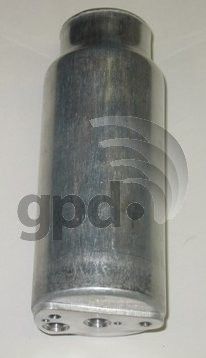
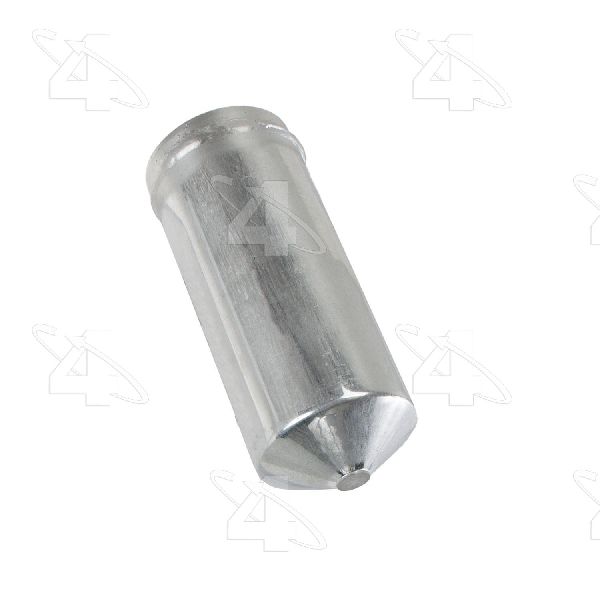
The brands available for your Swift, like Four Seasons and Global Parts Distributors (GPD), are common choices in the A/C repair world.
- Four Seasons: A large, well-known manufacturer of aftermarket climate control parts. They are generally considered a reliable, quality choice that meets or exceeds original specifications.
- Global Parts Distributors (GPD): Another popular aftermarket supplier, often seen as a budget-friendly option. While some users have concerns about more complex parts like compressors, a simple service part like a receiver drier is generally considered a suitable choice.
Pro Tip: For a component like the receiver drier, brand choice is less critical than the rule of replacing it whenever the system is serviced. Both Four Seasons and GPD are acceptable options for your Swift.
Estimated Costs for A/C Receiver Drier Replacement
| Part/Service | Estimated Cost |
|---|---|
| New Aftermarket A/C Receiver Drier | $21 - $29 |
| Shop Labor & A/C Service (Evacuate & Recharge) | $150 - $250 |
| Total Estimated Cost | $171 - $279 |
Note: Costs are estimates and can vary based on your location, the specific repair shop, and the type of refrigerant in your system (R-12 or R-134a).
Frequently Asked Questions (FAQ)
Can I replace the A/C receiver drier myself?
This is not recommended for a DIY project. Replacing the drier requires recovering the old refrigerant, which is illegal to release into the air. After installation, the system must be put into a deep vacuum to remove all air and moisture before being recharged with a precise amount of refrigerant and oil. This all requires specialized and expensive A/C service equipment.
What is desiccant?
Desiccant is a material that absorbs and holds moisture. It's similar to the small silica gel packets you find in new electronics or shoes. Inside your Swift's receiver drier, a bag of desiccant pulls water out of the refrigerant to prevent the formation of corrosive acids and ice crystals.
My Swift was made between 1989-1994. What kind of refrigerant does it use?
Vehicles from this era could use either R-12 or may have been converted to R-134a refrigerant. Always check the under-hood A/C specification label or the compressor label before servicing the system to confirm which type you have. The service fittings for R-12 and R-134a are different, but it is crucial to verify.
Are there any recalls for the 1989-1994 Suzuki Swift A/C system?
No. Searches of the National Highway Traffic Safety Administration (NHTSA) database and other records show no recalls or technical service bulletins (TSBs) related to the A/C receiver drier for the 1989-1994 Suzuki Swift.
Technical Specifications
Vehicle may use R-12 or R-134a refrigerant; check under-hood label before servicing.
We Have This Part in Stock

The information in this article is provided for general reference and educational purposes only. Vehicle specifications, procedures, and part compatibility can vary by production date, trim level, and region. Always consult your vehicle's factory service manual and verify part numbers before purchasing or performing repairs. Safety-critical components such as airbags, seat belts, and braking systems should be installed by a qualified professional.
- Suzuki Swift: