

Cadillac Seville Oxygen Sensor Guide: 1989-1995
Everything a Seville owner needs to know about choosing and replacing the right oxygen sensor for their engine.
- Most 1989-1995 Sevilles (with 4.5L/4.9L engines) use a single, affordable, 2-wire unheated oxygen sensor.
- A bad sensor will cause a Check Engine Light (Code 44 or 45), poor gas mileage, and rough running.
- Choose a direct-fit sensor from a reputable brand like Bosch, Denso, or Delphi for the best results.
- Replacing a bad O2 sensor promptly can prevent expensive damage to your catalytic converter.
Understanding Your Seville's Oxygen Sensor
The 1989-1995 Cadillac Seville model years span two different vehicle generations and several engines. This is important when it comes to the oxygen sensor. Most Sevilles from 1989-1992 with the 4.5L or 4.9L V8 engine use a single, simple 2-wire unheated oxygen sensor. Models from 1993-1995 could have either the 4.9L V8 or the more complex Northstar V8. While the 4.9L continued to use a single sensor, the Northstar engine introduced a multi-sensor setup. Because these older sensors were expected to be replaced every 30,000 to 50,000 miles, it's likely your Seville is due for a new one.
Symptoms of a Failing Oxygen Sensor
When an O2 sensor starts to fail, your car's computer gets bad information and can't create the right air/fuel mixture. This leads to noticeable problems. You should suspect a bad oxygen sensor if you experience any of the following:
- Check Engine Light: This is the most common sign. On these pre-OBD-II cars, you may see diagnostic codes 44 (lean exhaust) or 45 (rich exhaust).
- Poor Fuel Economy: If you notice you're filling up the tank more often, a bad O2 sensor could be forcing the engine to use too much gas.
- Rough Idle and Engine Performance: A failing sensor can cause a rough or irregular idle, engine hesitation, misfires, or stalling.
- Failed Emissions Test: An O2 sensor is key to controlling emissions, and a bad one will almost guarantee a failed test.
- Rotten Egg Smell: A very rich fuel mixture can cause a sulfur or rotten egg smell from the exhaust.
Don't Ignore the Signs
Driving with a bad oxygen sensor for too long can lead to more expensive problems. An overly rich fuel mixture can eventually damage your catalytic converter, a much more costly part to replace.
Choosing the Right Aftermarket Oxygen Sensor
For a vehicle of this age, aftermarket oxygen sensors offer excellent quality and value. The original equipment (OE) supplier for General Motors was often AC Delco, which is now closely associated with Delphi. However, several other brands produce high-quality direct-fit replacements.
Brand Quality Tiers
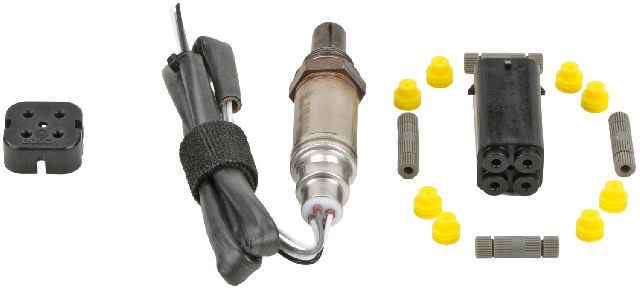
- Top Tier (OEM Quality): Brands like Bosch, Denso, Delphi, and NGK (NTK) are considered top-of-the-line. Bosch invented the oxygen sensor, and both Denso and NGK are major suppliers to automakers worldwide. These brands provide sensors that meet or exceed original specifications and are known for their reliability and longevity.
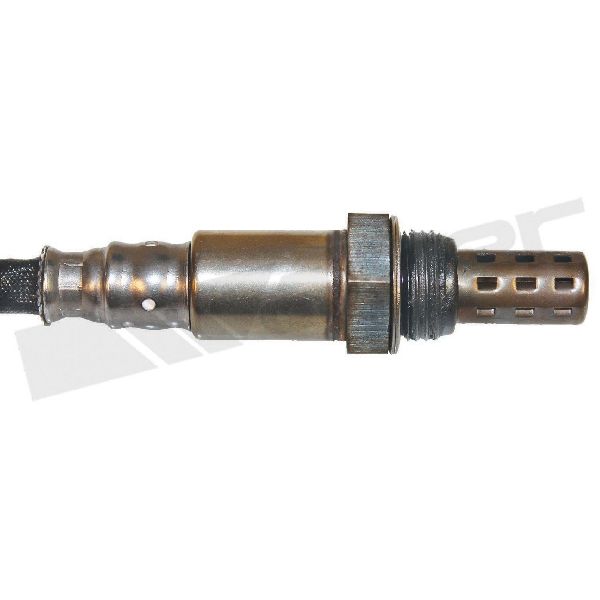
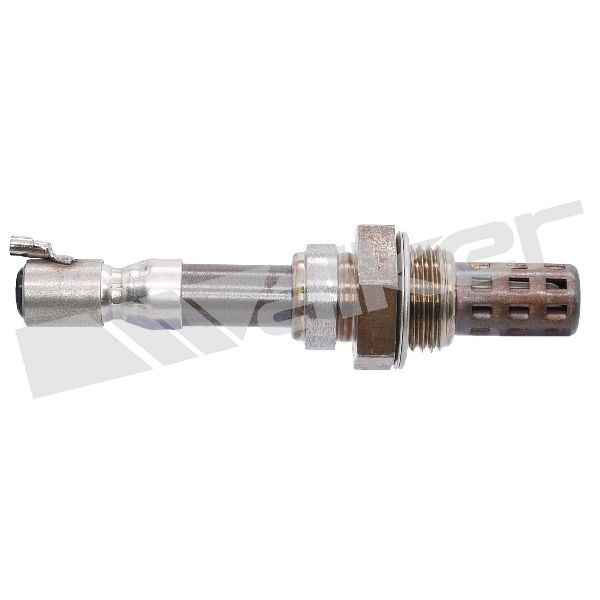
- Standard Aftermarket: Brands like Walker Products, Spectra, and DriveWire offer a good balance of quality and price. They are reliable, direct-fit replacements that provide a significant cost saving over dealer parts. For a vehicle like the 1989-1995 Seville, these brands are a very practical choice.
Pro Tip: Buy a Direct-Fit Sensor
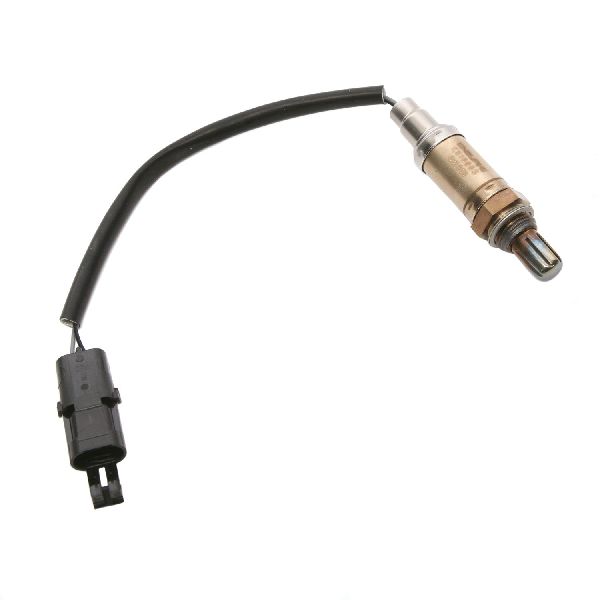
Always choose a "direct-fit" or "OE-style" sensor. These come with the correct wiring connector for your Seville, so you don't have to cut and splice wires. This makes the installation much easier and more reliable.
Oxygen Sensor Cost for 1989-1995 Cadillac Seville
| Part Type | Price Range |
|---|---|
| New Aftermarket Oxygen Sensor | $21.55 - $85.54 |
| Estimated Shop Labor | $90 - $150 |
| Estimated Total (Installed) | $111.55 - $235.54 |
Frequently Asked Questions
How many oxygen sensors does my 1989-1995 Seville have?
If you have the 4.5L or 4.9L V8 engine, your car almost certainly has only one upstream oxygen sensor. If you have a later model with the Northstar V8 (available from 1993 onwards), you will have multiple sensors, typically two or four.
Where is the oxygen sensor located?
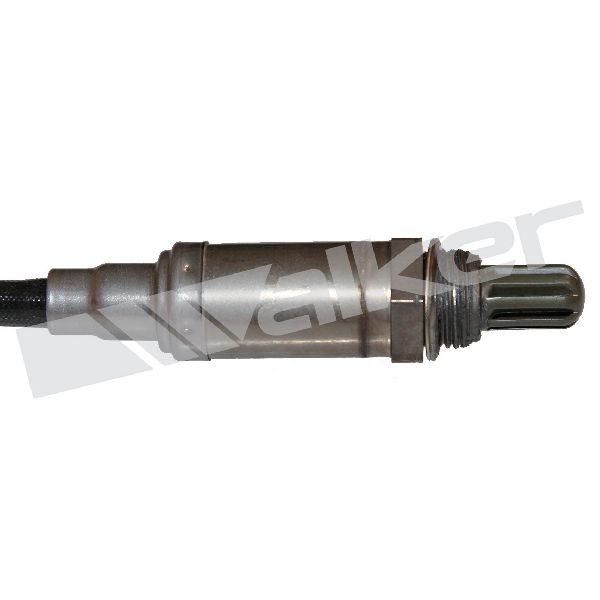
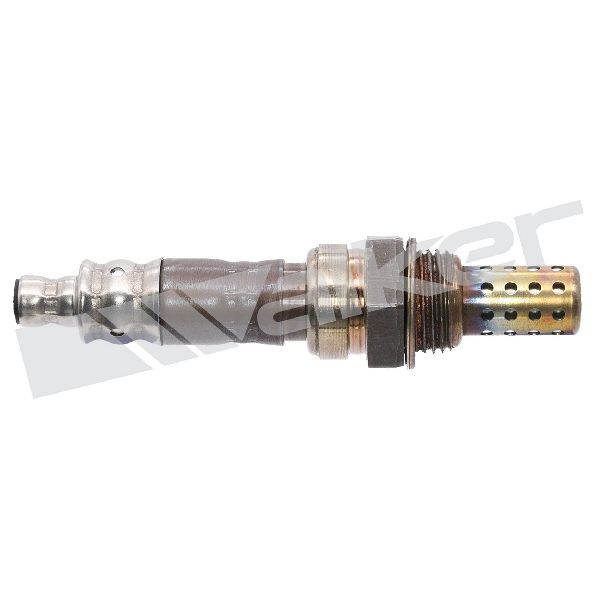
On the 4.9L V8, the single O2 sensor is typically screwed into the driver's side exhaust manifold or where the two manifolds join before the catalytic converter. It looks like a spark plug with a wire coming out of it. For Northstar engines, sensor locations vary, with one being notoriously difficult to access near the firewall.
Is this a difficult part to replace myself?
For the common single-sensor 4.9L engine, 🎬 Watch this walkthrough of an O2 sensor replacement on a 4.9L. replacement is feasible for a DIY mechanic. The main challenge is often the sensor being seized in the exhaust pipe due to age and heat cycles. 🎬 See the best technique for removing a stuck, seized sensor. Using plenty of penetrating oil and a special oxygen sensor socket is highly recommended. For Northstar engines, replacement can be much more difficult due to tight spaces.
Do I need a special tool to replace an O2 sensor?
Yes, it is highly recommended to use an O2 sensor socket. This is a socket with a slot cut down the side to accommodate the sensor's wire. 🎬 Watch how to properly use an oxygen sensor socket set. Using a standard wrench can be difficult and may damage the old sensor or the new one.
Helpful Videos
Technical Specifications
OEM Part Numbers: 19211435
Typically a 2-wire, non-heated, upstream sensor with M18-1.50 threads for 4.5L and 4.9L engines. Northstar engines use different, heated sensors.
We Have This Part in Stock

The information in this article is provided for general reference and educational purposes only. Vehicle specifications, procedures, and part compatibility can vary by production date, trim level, and region. Always consult your vehicle's factory service manual and verify part numbers before purchasing or performing repairs. Safety-critical components such as airbags, seat belts, and braking systems should be installed by a qualified professional.
- Cadillac Seville:
- 🎬 Helpful Videos
- 🛍️ Shop This Part
- Understanding Your Seville's Oxygen Sensor
- Symptoms of a Failing Oxygen Sensor
- Don't Ignore the Signs
- Choosing the Right Aftermarket Oxygen Sensor
- Brand Quality Tiers
- Pro Tip: Buy a Direct-Fit Sensor
- Oxygen Sensor Cost for 1989-1995 Cadillac Seville
- Frequently Asked Questions
- 🎟️ Get 5% Off