

Buick Roadmaster Engine Coolant Bypass Hose: A Comprehensive Guide (1991-1996)
Don't let a small hose cause a big problem; understand the critical coolant bypass hose on your Roadmaster's V8 engine.
- You must identify your engine; the hose for the 1991-1993 TBI V8 is different from the 1994-1996 LT1 V8.
- On LT1 engines, the bypass hose under the throttle body is a very common failure point that causes leaks at the front of the engine.
- A quality aftermarket brand like Gates provides a reliable, cost-effective replacement that meets or exceeds OEM standards.
- After replacement, it is critical to properly bleed all air from the cooling system using the bleeder screw to prevent overheating.
The Unseen Hose That Protects Your V8
On your 1991-1996 Buick Roadmaster, there are several small coolant hoses that are just as important as the large upper and lower radiator hoses. The engine coolant bypass hose is one of them. While it may seem minor, a failure in this hose can lead to coolant loss, overheating, and potentially severe engine damage. Given the age of these classic cruisers, the original rubber is well past its service life, making inspection and replacement a priority for any owner.
Critical Differences: 1991-1993 vs. 1994-1996 LT1
Before ordering any parts, you must identify your engine. The bypass and heater hose systems are significantly different between the early and late models.
- 1991-1993 Roadmaster (5.0L L03 & 5.7L L05 V8): These models use a more conventional Throttle Body Injection (TBI) engine. The coolant bypass and heater hoses are simpler, often featuring plastic quick-disconnect fittings at the firewall that can become brittle.
- 1994-1996 Roadmaster (5.7L LT1 V8): These models feature the more powerful, Corvette-derived LT1 engine. This engine uses a "reverse flow" cooling system where a complex, one-piece molded hose assembly circulates coolant to the throttle body and heater core. This assembly includes vital flow restrictors and is a common source of leaks right under the front of the intake manifold.
A Common Leak Spot on LT1 Engines
For 1994-1996 LT1 owners, the most common failure point is the small, U-shaped hose that connects the water pump housing to the throttle body coolant pipe. It is tucked under the throttle body and is difficult to see. A leak here will often appear as coolant dripping off the front of the engine or pooling on the intake manifold.
Choosing the Right Aftermarket Hose
For a part like a coolant hose, a high-quality aftermarket replacement offers excellent performance and value. OEM hoses can be difficult to find and are often more expensive.
Gates is a well-regarded brand in the aftermarket and is known to be an original equipment supplier to many automakers, including GM. Their molded hoses are engineered to meet or exceed OEM specifications for fit, form, and function. They are made from quality EPDM rubber designed to resist heat, chemicals, and electrochemical degradation, which is the leading cause of hose failure. For the Roadmaster, a Gates hose is a reliable and cost-effective choice.
Estimated Replacement Costs
| Part Type | Estimated Cost |
|---|---|
| New Aftermarket (Gates) | $68.36 |
| New OEM | $80 - $120 |
| Shop Labor | $150 - $250 |
Cost estimates are for the part and labor only and do not include the price of new coolant. Prices can vary by location and supplier.
Pro Tip: While You're In There...
Since you must drain the coolant to replace this hose, it's the perfect opportunity to address other cooling system components. Consider replacing the main radiator hoses, thermostat, and radiator cap at the same time. Always use new hose clamps instead of reusing the old spring clamps to ensure a tight, leak-free seal.
Frequently Asked Questions (FAQ)
Can I just bypass the throttle body coolant lines on my LT1?
Yes, many owners perform this modification, especially in warmer climates. It involves removing the hoses to the throttle body and connecting the coolant pipe from the cylinder head directly to the radiator or overflow tank return line. While it can clean up the engine bay, it is not recommended for vehicles that operate in freezing temperatures, as it can lead to throttle icing.
What are the symptoms of a failing bypass hose?
The most common symptoms are a sweet smell of coolant from the engine bay, visible coolant leaks or drips under the front-center of the engine, constantly needing to add coolant, and engine overheating. Steam coming from under the hood after driving is also a sign of a leak.
Is replacing the bypass hose a DIY job?
Yes, for someone with moderate mechanical skill. The main challenge on the 1994-1996 LT1 engine is access, as the hose is located under the throttle body and air intake snorkel. The TBI models are generally easier. The cooling system must be properly drained, refilled, and bled of air after the repair to prevent overheating.
Do I need to bleed the air out of the cooling system after replacing the hose?
Yes, this is a critical step, especially on 1994-1996 LT1 engines. These engines have a bleed screw on the thermostat housing or a high point on a coolant pipe that must be opened during filling to allow trapped air to escape. An air pocket in the system will cause overheating, even if the radiator is full.
Technical Specifications
OEM Part Numbers: 10108423
The key specification for this part is the engine type. The 1994-1996 LT1 engine uses a specific molded hose assembly to route coolant to the throttle body for de-icing and to help bleed air from the heads. The 1991-1993 TBI engines use a more conventional bypass hose setup.
We Have This Part in Stock
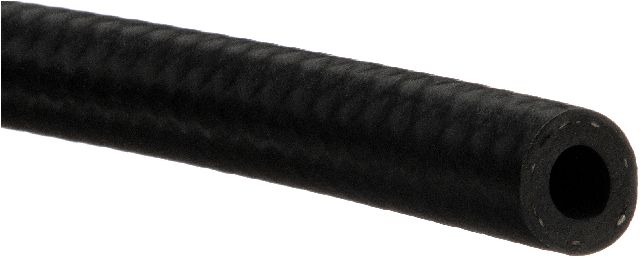

The information in this article is provided for general reference and educational purposes only. Vehicle specifications, procedures, and part compatibility can vary by production date, trim level, and region. Always consult your vehicle's factory service manual and verify part numbers before purchasing or performing repairs. Safety-critical components such as airbags, seat belts, and braking systems should be installed by a qualified professional.
- Buick Roadmaster: