

Geo Tracker Automatic Transmission Oil Cooler Guide (1989-1997)
Protect your Tracker's automatic transmission from overheating and catastrophic failure.
- The factory cooler is inside the radiator and is a known failure point that can destroy your transmission.
- Installing a separate, external aftermarket cooler is the best way to protect your Geo Tracker's transmission long-term.
- Symptoms of a bad cooler include overheating, fluid leaks, and poor shifting.
- Hayden and Four Seasons are reputable aftermarket brands for this part.
Is Your Geo Tracker's Transmission at Risk?
For 1989-1997 Geo Tracker and Suzuki Sidekick models, the factory automatic transmission cooler is part of the radiator. While this design saves space, it creates a major risk. If the cooler fails internally, engine coolant and transmission fluid can mix. This mixture, often called the 'strawberry milkshake,' will quickly destroy your transmission, leading to a repair that costs thousands of dollars. Because these vehicles are getting older, the risk of this failure increases every year. Many owners choose to prevent this by installing a separate, external aftermarket transmission cooler.
Symptoms of a Failing Transmission Cooler
Watch for these warning signs. Catching a problem early can save your transmission.
- Transmission Overheating: A transmission temperature warning light on your dash is the most obvious sign. The transmission may feel sluggish or shift poorly when hot.
- Fluid Leaks: Look for puddles of reddish or brown fluid under the front of your vehicle. A leak can come from the cooler itself or the lines connected to it.
- Poor Shifting: When fluid overheats, it loses its protective qualities. This can cause rough, delayed, or slipping gears.
- Burnt Smell: Overheated transmission fluid has a distinct, sharp burning smell.
- Milky Fluid: If you check your transmission fluid and it looks pink and frothy like a milkshake, the cooler has failed and mixed with coolant. Stop driving immediately to prevent further damage.
Choosing the Right Aftermarket Cooler
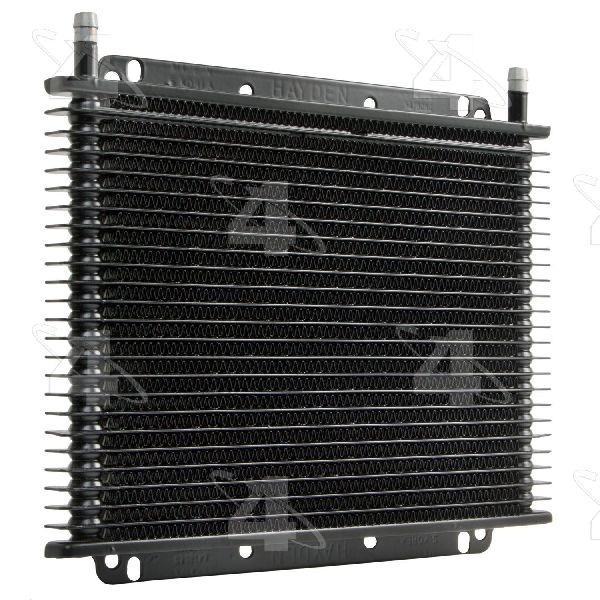
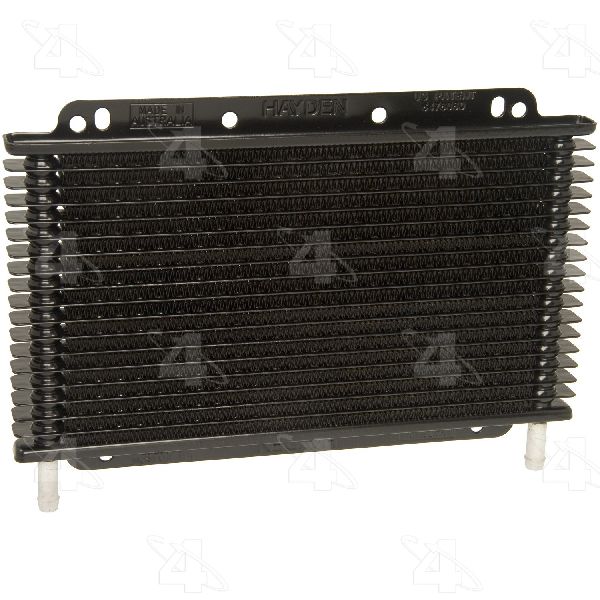
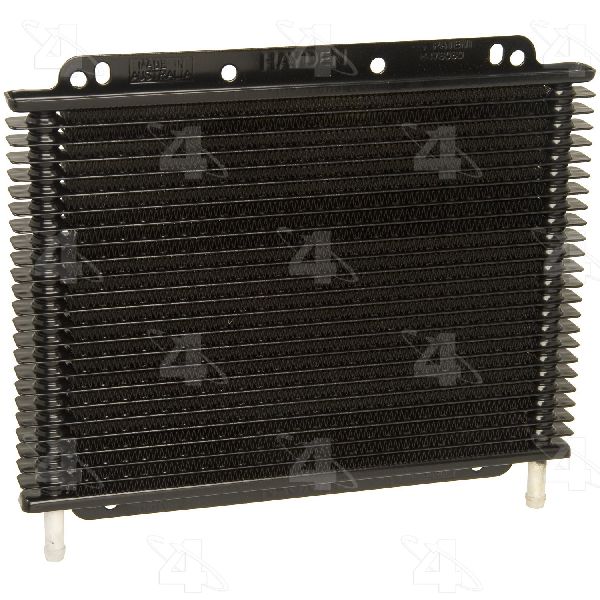
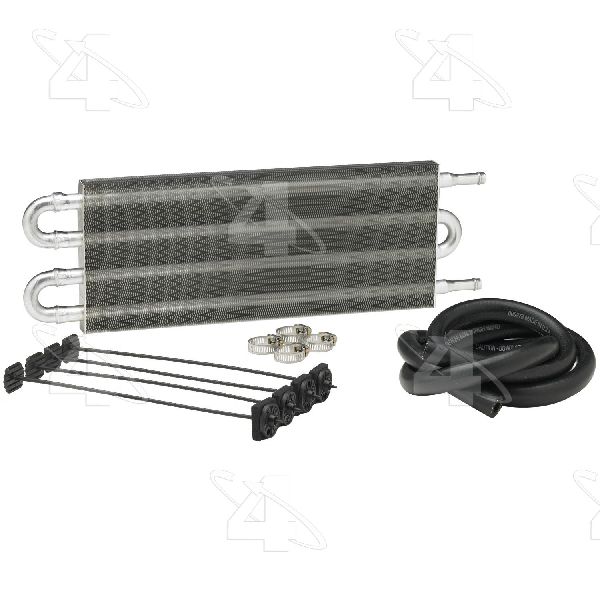
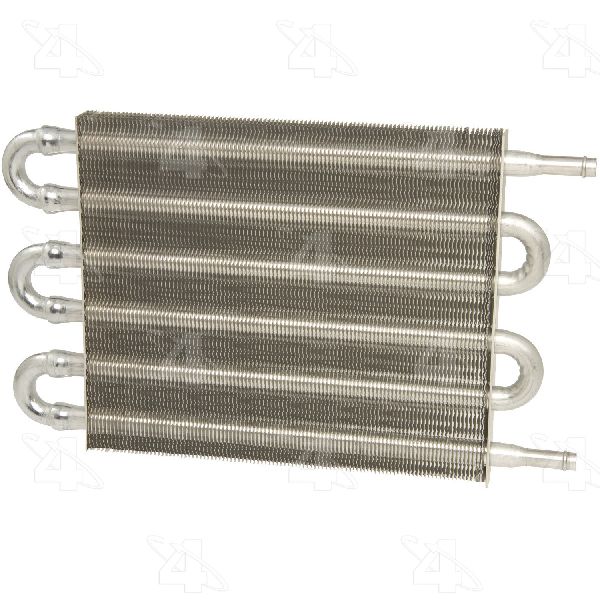
For the Geo Tracker, installing an aftermarket cooler is more of an upgrade than a simple replacement. You are bypassing the failure-prone stock design for a more reliable standalone system. The main types are tube-and-fin or the more efficient plate-and-fin style. Here's a look at the available brands.
- Hayden: A very popular and well-respected brand in the cooling industry. Hayden coolers are known for their efficient plate-and-fin designs and are a top choice for owners looking for a reliable upgrade. They are often recommended on automotive forums for their performance and durability.
- Four Seasons: A large, trusted manufacturer of aftermarket heating and cooling parts. They offer reliable, OE-quality components and are a solid choice for a dependable cooler that provides good value.
- Global Parts: This brand provides another option for an aftermarket cooler, fitting a variety of applications.
Pro Tip: Bypass, Don't Just Add
For maximum protection on a Geo Tracker, it's highly recommended to completely bypass the original radiator cooler. Route both transmission lines directly to your new external cooler. This completely eliminates the risk of coolant and transmission fluid mixing.
Estimated Costs for a New Cooler
| Part Type | Estimated Cost |
|---|---|
| New Aftermarket Cooler | $51.93 - $95.39 |
| Shop Labor | $150 - $300 |
| Total Estimated Cost | $201.93 - $395.39 |
Cost estimates are for the part and labor to install an external cooler. Prices can vary based on your location and chosen mechanic.
Frequently Asked Questions
Is an aftermarket cooler better than the original?
Yes. For the 1989-1997 Geo Tracker, a separate aftermarket cooler is considered a significant upgrade. It completely isolates the transmission from the engine's cooling system, preventing the catastrophic 'strawberry milkshake' failure where coolant mixes with transmission fluid.
Can I install a transmission cooler myself?
Yes, this is a common DIY project for those with basic tools and mechanical ability. The process involves mounting the new cooler in front of the radiator, disconnecting the old lines from the radiator, and routing new hoses to the external cooler. It typically takes 1-3 hours.
Where is the transmission cooler located on a Geo Tracker?
The factory transmission cooler is not a separate part. It is integrated into the tank on the bottom of the engine's radiator. You will see two small metal lines going into the radiator; these are the transmission fluid lines.
Do I need a bigger cooler?
For most stock Geo Trackers, a standard-sized aftermarket cooler is sufficient. If you frequently tow, carry heavy loads, or do a lot of slow-speed off-roading in hot weather, a slightly larger plate-and-fin style cooler can provide extra protection against overheating.
Technical Specifications
The factory cooler is an integrated part of the radiator assembly. Aftermarket coolers are standalone units, typically of a plate-and-fin or tube-and-fin construction, mounted in front of the radiator.
We Have This Part in Stock


The information in this article is provided for general reference and educational purposes only. Vehicle specifications, procedures, and part compatibility can vary by production date, trim level, and region. Always consult your vehicle's factory service manual and verify part numbers before purchasing or performing repairs. Safety-critical components such as airbags, seat belts, and braking systems should be installed by a qualified professional.
- Geo Tracker: