

Hyundai Sonata A/C Compressor Guide: 1989-1997 Models
Everything you need to know when your 1989-1997 Sonata's A/C stops blowing cold.
- For a 1989-1997 Sonata, a new aftermarket compressor is the most practical and reliable choice.
- Always replace the receiver/drier and flush the entire A/C system when installing a new compressor to prevent premature failure.
- A failed or seized compressor clutch can damage the serpentine belt, potentially leaving you stranded.
- No specific recalls or TSBs for the A/C compressor were found for this vehicle generation; failures are due to age and wear.
Is Your Sonata's A/C Blowing Warm Air?
If the air conditioning in your 1989-1997 Hyundai Sonata isn't working, a failed A/C compressor is a likely suspect. This component is under a lot of stress and can wear out over time. Common signs of failure include air from the vents that isn't cold, strange noises when the A/C is on, and visible leaks from the compressor body.
Symptoms of a Failing A/C Compressor
- Warm Air from Vents: The most obvious sign is a lack of cold air, even when the A/C is on its highest setting. This happens when the compressor can't properly pressurize and circulate the refrigerant.
- Strange Noises: Grinding, rattling, or squealing sounds when you turn on the air conditioning often point to failing bearings or other internal parts of the compressor. A loud bang or clank can mean the compressor clutch has seized.
- Leaking Refrigerant: The compressor has seals that can fail over time. You might see a greasy, black substance around the compressor body or notice a sweet, chemical smell under the hood.
- Stuck Compressor Clutch: The compressor's clutch engages to turn the compressor pulley. If the clutch is stuck, the compressor won't turn on at all. If it won't disengage, it can put a constant drag on the engine.
Known Issues, Recalls, or TSBs
For the 1989-1997 Hyundai Sonata, there are no specific A/C compressor recalls or Technical Service Bulletins (TSBs) on record with the NHTSA. Problems with the A/C system on a vehicle of this age are typically due to normal wear and tear of components.
Choosing the Right Aftermarket Compressor
For a vehicle like the 1989-1997 Sonata, finding a new original equipment (OEM) compressor is nearly impossible and would be very expensive. The best choice is a new aftermarket compressor. These are built to meet or exceed original specifications and are a reliable, cost-effective solution.
When looking at aftermarket brands, you will find options at different price points.
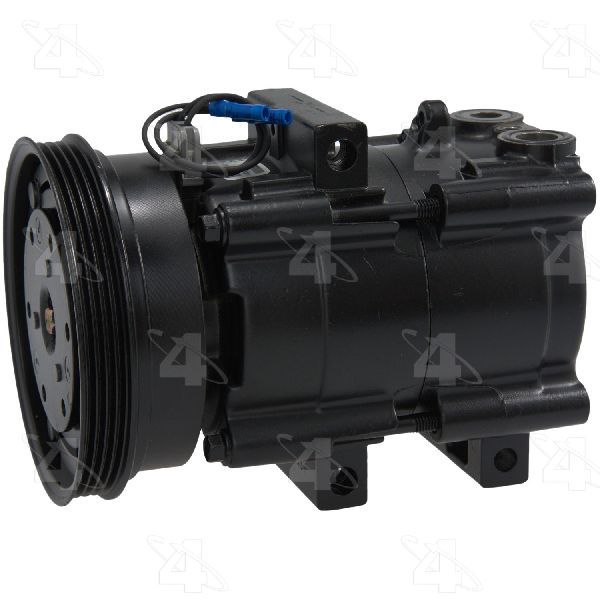
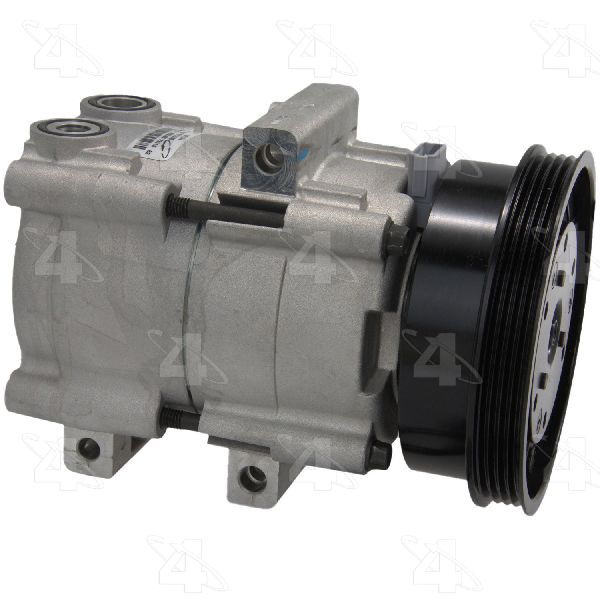
- Four Seasons: This is a well-known aftermarket brand. Forum users and mechanics have reported good experiences with their new compressors, often citing them as a reliable choice with a good warranty. It is generally recommended to choose a new unit over a remanufactured one to avoid potential quality issues.
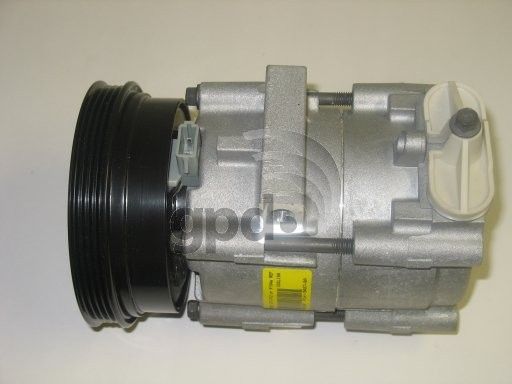
- Global Parts (GPD): There is less public feedback available for this brand. One user on a forum reported a clutch failure within a year, but this is a very small sample size.
Pro Tip: Replace More Than Just the Compressor
When an A/C compressor fails, it can send metal shavings and debris throughout the entire A/C system. Just replacing the compressor is a recipe for another failure. To do the job right and protect your new part, you MUST also replace the receiver/drier (also called an accumulator) and the orifice tube or expansion valve. The entire system should also be professionally flushed to remove any contaminants before installing the new parts.
Cost to Replace a 1989-1997 Sonata A/C Compressor
The total cost depends on whether you do the work yourself or hire a professional. A/C work requires special equipment to handle the refrigerant safely.
| Part / Service | Estimated Cost |
|---|---|
| New Aftermarket A/C Compressor | $180 - $291 |
| Shop Labor & System Recharge | $350 - $600 |
| Total Professional Replacement | $530 - $891 |
Costs are estimates and can vary based on your location and the specific shop.
Frequently Asked Questions (FAQ)
Can I replace the A/C compressor myself?
While physically unbolting and replacing the compressor is possible for a skilled DIY mechanic, A/C systems are complex. The refrigerant must be legally and safely recovered with a special machine before opening the system, and the system must be put under a vacuum and recharged correctly after the repair. For most people, this job is best left to a professional mechanic.
Do I really need to replace the receiver/drier and flush the system?
Yes, absolutely. The receiver/drier removes moisture from the system, and a new one is required for the new compressor's warranty and longevity. Flushing removes metal debris from the old failed compressor that would otherwise destroy your new one. Skipping these steps will lead to the new compressor failing very quickly.
What happens if I keep driving with a bad A/C compressor?
If the compressor clutch has seized, it can damage or break the serpentine belt. Since the serpentine belt also runs other critical components like the alternator and power steering pump, a broken belt can leave you stranded. If the compressor is just not cooling, you can continue to drive, but the defrost setting (which uses the A/C) may not work well to clear your windows.
Is a remanufactured compressor a good option?
Remanufactured compressors can be a gamble. While cheaper, they have a higher rate of premature failure compared to new units. Given the cost of labor for an A/C job, it is usually more cost-effective in the long run to buy a new aftermarket compressor to avoid doing the job twice.
Technical Specifications
OEM part numbers for this vehicle are difficult to verify due to its age. It is critical to use your vehicle's year, engine size, and VIN to confirm fitment with the aftermarket part supplier.
We Have This Part in Stock

The information in this article is provided for general reference and educational purposes only. Vehicle specifications, procedures, and part compatibility can vary by production date, trim level, and region. Always consult your vehicle's factory service manual and verify part numbers before purchasing or performing repairs. Safety-critical components such as airbags, seat belts, and braking systems should be installed by a qualified professional.
- Hyundai Sonata:
- 🛍️ Shop This Part
- Is Your Sonata's A/C Blowing Warm Air?
- Symptoms of a Failing A/C Compressor
- Known Issues, Recalls, or TSBs
- Choosing the Right Aftermarket Compressor
- Pro Tip: Replace More Than Just the Compressor
- Cost to Replace a 1989-1997 Sonata A/C Compressor
- Frequently Asked Questions (FAQ)
- 🎟️ Get 5% Off