

A Practical Guide to Accessory Drive Belts for the 1989-1998 Suzuki Sidekick
Keep your Sidekick's accessories running smoothly by understanding its simple but vital drive belt system.
- Your Sidekick uses a two-belt system, not a single serpentine belt; confirm your engine and accessories before buying.
- Squealing is the most common failure symptom and usually means the belt is slipping due to wear or improper tension.
- For this vehicle, aftermarket belts from brands like Bando, Gates, or Mitsuboshi offer OEM-equivalent quality and are excellent choices.
- When replacing belts, inspect pulleys for alignment and cleanliness to prevent damage to the new belts.
Symptoms of a Failing Accessory Belt
A worn or loose accessory belt on your Sidekick will give you clear warning signs. Ignoring them can leave you stranded. Look out for these common symptoms:
- Squealing Noises: This is the most common sign. A high-pitched squeal or chirp, especially when you start the engine, accelerate, or turn on the air conditioning, means a belt is slipping. This slippage can be due to wear, low tension, or contamination from oil or coolant.
- Visible Wear or Damage: Pop the hood and look at the belts. If you see cracks, fraying, glazed or shiny spots, or missing chunks from the ribbed areas, the belt is at the end of its life and needs immediate replacement.
- Accessory Malfunctions: Since the belts power key systems, you might notice symptoms like dimming headlights (failing alternator), difficulty steering (failing power steering pump), or an A/C that doesn't blow cold air.
- Engine Overheating: If the belt that drives the water pump snaps, the engine will no longer be able to circulate coolant. This will cause the engine to overheat very quickly, which can lead to severe engine damage.
Check Your Pulleys
Sometimes, a squealing noise isn't the belt's fault. A misaligned pulley or a failing bearing in the alternator or tensioner can cause noise and destroy new belts quickly. Forum users note that pulley alignment can be an issue, especially if an engine has been swapped, as 8-valve and 16-valve 1.6L engines used different brackets. Before installing a new belt, make sure the pulley grooves are clean and free of oil or caked-on rubber.
Choosing the Right Aftermarket Belt
For a vehicle like the Sidekick, aftermarket accessory belts offer excellent quality and value. Many aftermarket companies are the original equipment (OE) suppliers to car manufacturers, so the quality is often identical to the part you'd get from a dealer. Here’s a breakdown of the available brands:
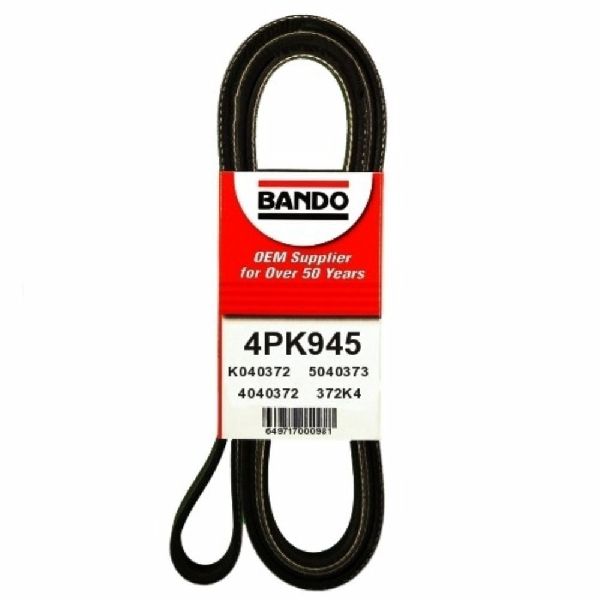
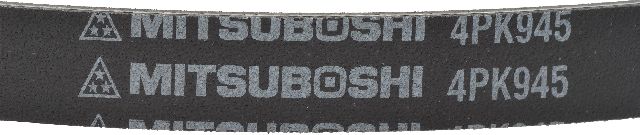
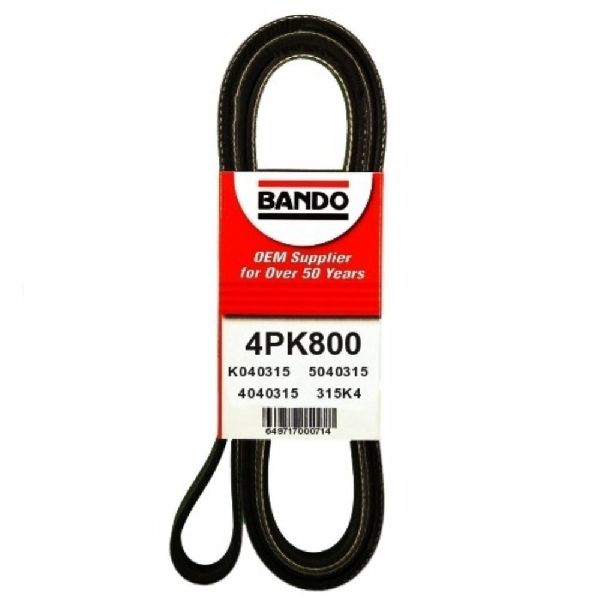
- Top Tier (OEM Equivalent): Brands like Bando, Mitsuboshi, and Gates are excellent choices. Bando and Mitsuboshi are well-known original suppliers for many Japanese vehicles like your Suzuki. Gates is a highly respected brand known for making durable, quiet belts that meet or exceed OEM standards. You cannot go wrong with any of these three.
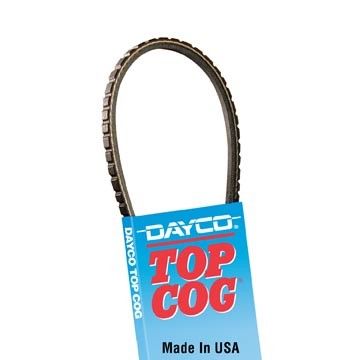
- Excellent Aftermarket: Continental (sometimes branded as ContiTech) and Dayco are also top-quality brands that are trusted by professional mechanics. They provide reliable performance and are a solid choice if the top-tier brands are not available.
Pro Tip: Buy the Right Belts
The most common mistake is buying the wrong size or number of belts. Your Sidekick's belt setup depends on the engine (1.6L 8-valve, 1.6L 16-valve, or 1.8L Sport) and options (with or without A/C and Power Steering). The safest method is to remove your old belts and match them by length and rib count at the parts store.
Typical Replacement Costs
Replacing the accessory belts on a Sidekick is a straightforward job. The parts are inexpensive, and labor is minimal compared to more complex repairs.
| Item | Estimated Cost |
|---|---|
| New Aftermarket Belts (Set of 2) | $15 - $60 |
| Shop Labor | $100 - $180 |
| Total Estimated Cost | $115 - $240 |
Frequently Asked Questions
Do I need to replace both belts at the same time?
It is highly recommended. The belts are made of the same material and have been exposed to the same conditions. If one is worn out, the other is likely not far behind. Furthermore, you often have to remove the outer belt (for P/S and A/C) to get to the inner belt (for alternator and water pump), so you save on labor by doing both at once.
What is the difference between a V-Belt and a Serpentine Belt?
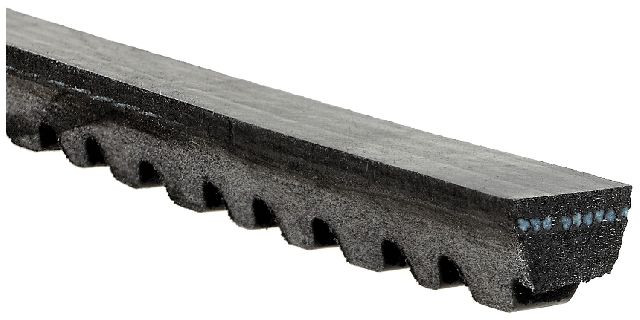
Your Sidekick uses a multiple V-belt (or ribbed belt) system, where each belt may only drive one or two accessories. A serpentine belt is a single, long, flat, ribbed belt that snakes around many pulleys to power all the accessories at once. V-belt systems are simpler but require periodic re-tensioning.
My new belt is squealing. What did I do wrong?
If a new belt squeals, the most likely cause is improper tension—it's probably too loose. Belts can stretch slightly after installation. Re-check the tension after a few days of driving. If the tension is correct, check for oil or other fluids on the pulleys, or for a misaligned or damaged pulley.
Are there any recalls for the Sidekick's accessory belts?
No. Searches of the National Highway Traffic Safety Administration (NHTSA) database show no recalls specifically related to the accessory drive belts for the 1989-1998 Suzuki Sidekick.
Technical Specifications
OEM Part Numbers: 95141-67D00 17540-77E10
System Type: Multiple V-Belt / Ribbed Belt System. Material: EPDM Rubber. Number of Belts: Typically two, depending on accessories (A/C, Power Steering).
We Have This Part in Stock

The information in this article is provided for general reference and educational purposes only. Vehicle specifications, procedures, and part compatibility can vary by production date, trim level, and region. Always consult your vehicle's factory service manual and verify part numbers before purchasing or performing repairs. Safety-critical components such as airbags, seat belts, and braking systems should be installed by a qualified professional.
- Suzuki Sidekick: