

Engine Cooling Fan Clutch Guide for 1989-1999 Ford E-350 Econoline
Keep your workhorse E-350 from overheating by understanding, diagnosing, and choosing the right replacement fan clutch.
- Overheating at idle is the #1 symptom of a failing fan clutch in an E-350.
- For heavy-duty use like towing or hauling, especially with 7.3L or 7.5L engines, choosing a 'Severe Duty' aftermarket clutch is critical for engine protection.
- Test your fan clutch before buying a new one: if it spins freely with the engine off, it's bad.
- While aftermarket options offer great value, owners of hard-working 7.3L Powerstroke vans often prefer the durability of an OEM Motorcraft part.
Is Your E-350's Fan Clutch Failing?
A bad fan clutch can cause your van's temperature gauge to climb, especially at low speeds or when idling. Recognizing the signs early can save you from expensive engine damage. These heavy vans, whether equipped with a gas V8, a 4.9L inline-six, or the powerful 7.3L diesel, rely on a properly working fan clutch to stay cool under pressure.
Key Symptoms of a Bad Fan Clutch
- Overheating at Idle: The most common sign. If your temperature gauge rises in stop-and-go traffic but cools down on the highway, the fan clutch is likely not engaging to pull air through the radiator.
- Loud Roaring Noise: If the clutch is seized or stuck in the engaged position, the fan will spin at full speed all the time. This creates a loud roar that gets louder with engine RPM and can cause a noticeable loss of power.
- Poor A/C Performance at a Stop: The A/C condenser sits in front of the radiator and also needs airflow to work correctly. A fan that isn't spinning fast enough at idle will cause your A/C to blow warm air until you start moving again.
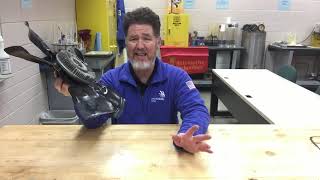
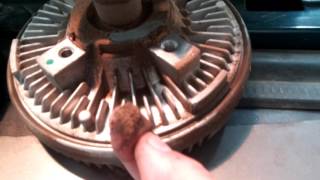
- Freewheeling Fan: With the engine completely off and cool, try to spin the fan blade by hand. It should offer some resistance and stop within one to two rotations. If it spins freely for several rotations 🎬 Watch: How to tell if your Ford fan clutch is bad like a pinwheel, the internal fluid has likely failed, and it needs to be replaced.
A Note on Wobble
If you can physically wiggle the fan blade assembly back and forth (not rotationally), it could be a sign of a bad bearing in the fan clutch. However, it can also be a symptom of a failing water pump, which the fan clutch is bolted to. It's critical to diagnose this correctly, as a failing water pump is a more serious issue.
Choosing the Right Aftermarket Fan Clutch
For a vehicle of this age, aftermarket parts are the most common and cost-effective choice. While some owners of the 7.3L Powerstroke diesel prefer the durability of the original Motorcraft part for heavy towing, quality aftermarket options provide reliable performance for most uses. The key is to choose the right type and brand for your van's engine and how you use it.
Brand Quality Tiers
- Good - Value Focused (Four Seasons, US Motor Works, GMB): These brands offer a direct replacement at an affordable price point. GMB is a known OE supplier and provides parts that meet factory specifications. Four Seasons is a widely available option. These are suitable for standard-duty use in vans that aren't constantly towing heavy loads.
- Better - Proven Performance (Hayden): Hayden is a well-regarded name in cooling and offers multiple options for the E-350. They are known for their duty-rating system, allowing you to choose a clutch matched to your needs. Many owners have had good long-term success with Hayden clutches.
- Best - Heavy & Severe Duty (Hayden, Motorcraft OEM): If you tow, haul heavy cargo, or live in a hot climate, a heavy-duty or severe-duty clutch is essential. These clutches engage more firmly and are built to handle the higher heat loads from the 7.5L (460) V8 or the 7.3L diesel engines. While an OEM Motorcraft clutch is often considered the benchmark for durability, a severe-duty aftermarket unit from a brand like Hayden is a strong alternative.
Pro Tip: Match the Duty Cycle
Don't just buy the cheapest option. For E-350s used as work vans, campers, or for towing, investing in a Severe Duty thermal clutch is a wise choice. It provides the extra cooling needed to protect the engine and transmission under stress.
Known Issues, Recalls, and TSBs
Searches of the National Highway Traffic Safety Administration (NHTSA) database and other sources show no specific recalls or Technical Service Bulletins (TSBs) for the engine cooling fan clutch on the 1989-1999 Ford E-350 Econoline. Any failures are typically due to age and wear.
Frequently Asked Questions (FAQ)
How do I test my E-350's fan clutch?
With the engine off and cold, spin the fan by hand. It should have a slight drag and not spin more than 1-2 times. If it spins freely, it's bad. When the engine is hot and running, you should hear the fan engage and roar, especially when accelerating. A risky but effective test is to try and stop the fan with a rolled-up newspaper when the engine is hot and idling; if you can stop it easily, the clutch is not engaging and is faulty. Extreme caution is advised for this test.
Is it hard to replace a fan clutch on an E-350?
For a DIYer with some experience, it's a manageable job. It typically requires a special fan clutch wrench set to hold the pulley and turn the large nut. Access can be tight due to the fan shroud. The job usually takes 1-2 hours. Leaving the serpentine belt on at first can help hold the pulley still while you break the nut loose.
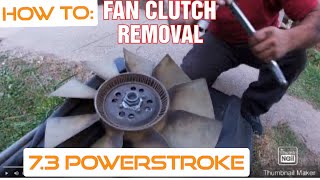
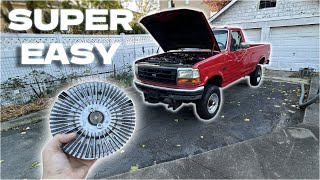
🎬 See this walkthrough on how to remove the fan clutchShould I replace the water pump at the same time?
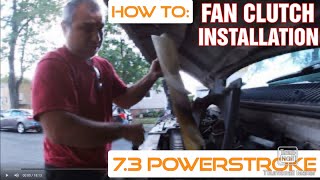
It's a common practice and often recommended. Since the fan clutch is mounted to the water pump, you're already doing most of the labor. If your van has high mileage, replacing both at the same time can prevent you from having to do the job again if the water pump fails soon after. Check the water pump for any signs of leaks or bearing play 🎬 Watch: Step-by-step guide to installing your new fan clutch when you remove the fan clutch.
What's the difference between thermal, non-thermal, and severe-duty?
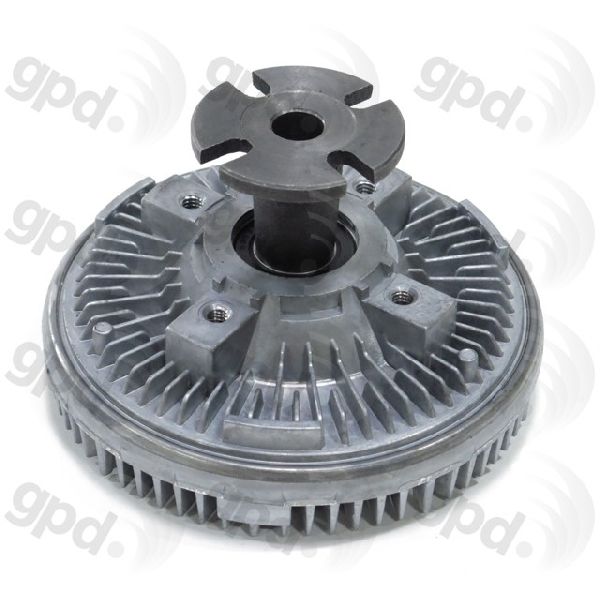
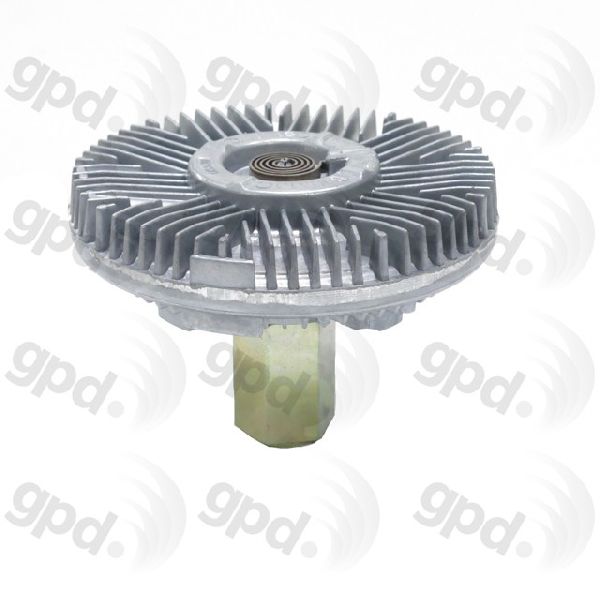
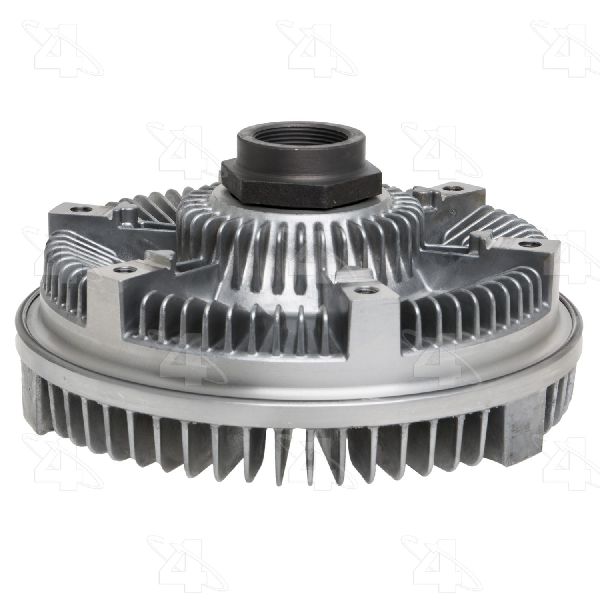
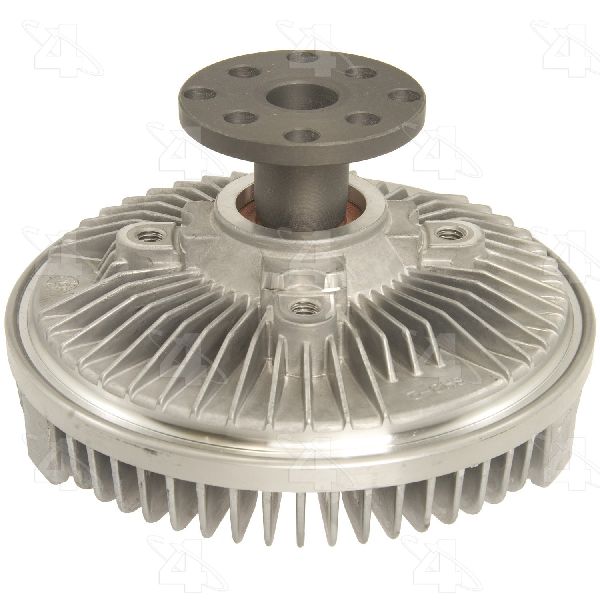
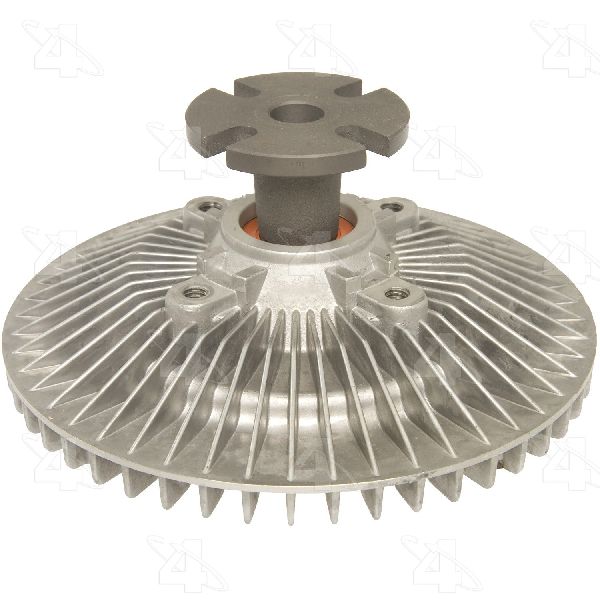
A thermal clutch (like the one in your E-350) uses a bi-metallic spring on the front that reacts to the temperature of the air coming through the radiator to engage the fan. A non-thermal clutch engages based on engine RPM, which is less efficient. A severe-duty clutch is a type of thermal clutch built with a more aggressive spring and fluid coupling, designed to engage sooner and lock up more firmly for maximum cooling under heavy loads like towing.
Helpful Videos
Technical Specifications
OEM Part Numbers: AU2Z8A616HA F5TZ8A616KB E7TZ8A616D F2UZ-8A616-F AU2Z-8A616-TA
Type: Thermal Viscous. Rotation: Varies by engine (Standard or Reverse). Mounting: Bolts to water pump pulley.
We Have This Part in Stock

The information in this article is provided for general reference and educational purposes only. Vehicle specifications, procedures, and part compatibility can vary by production date, trim level, and region. Always consult your vehicle's factory service manual and verify part numbers before purchasing or performing repairs. Safety-critical components such as airbags, seat belts, and braking systems should be installed by a qualified professional.
- Ford E-350 Econoline: