

Toyota 4Runner Engine Coolant Temperature Sensor (1989-2002): A Complete Guide
Learn to spot a failing coolant sensor in your 4Runner and choose the right aftermarket replacement.
- Crucially, confirm if you need the ECT *sensor* for the computer or the *sender* for the dash gauge, as they are separate parts on the 1989-2002 4Runner.
- Symptoms like bad gas mileage, black smoke, and a Check Engine Light (P0115/P0125) strongly point to a failing ECT sensor.
- For reliability, consider high-quality aftermarket brands like Delphi, NGK, or Beck Arnley, or stick with the OEM Denso part.
- Ignoring a bad sensor can lead to fouled spark plugs, a damaged catalytic converter, and potential engine overheating.
Is Your 4Runner Acting Up? It Could Be the Coolant Temp Sensor
If your 1989-2002 Toyota 4Runner is experiencing issues like poor fuel economy, black smoke, or a check engine light, a faulty Engine Coolant Temperature (ECT) sensor might be the culprit. This small sensor plays a huge role in how your engine runs. It tells the engine's computer how hot or cold the coolant is, which affects everything from fuel mixture to idle speed. For this generation of 4Runner, it's crucial to distinguish between the ECT sensor (which communicates with the computer) and the temperature sender (which controls your dash gauge); they are two different parts.
Symptoms of a Failing ECT Sensor in a 1989-2002 4Runner
A bad ECT sensor can cause a range of problems. Because the sensor often fails by telling the computer the engine is cold when it's not, the computer will continuously enrich the fuel mixture. This leads to several noticeable symptoms:
- Poor Fuel Economy: The engine burns more gas than needed because it's stuck in a "warm-up" mode.
- Black Smoke from Exhaust: A sign of a rich fuel mixture where unburned fuel exits through the tailpipe.
- Check Engine Light: The computer will log a fault code, most commonly P0115, P0116, or P0125.
- Hard Starting: Especially when the engine is already warm, as the fuel mixture is too rich.
- Rough Idle: The incorrect air-fuel mixture can cause the engine to idle poorly or stumble.
- Engine Overheating or Overcooling: In some cases, a bad sensor can affect the operation of electric cooling fans (if equipped) or lead the computer to make incorrect adjustments that affect operating temperature.
A Critical Distinction: Sensor vs. Sender
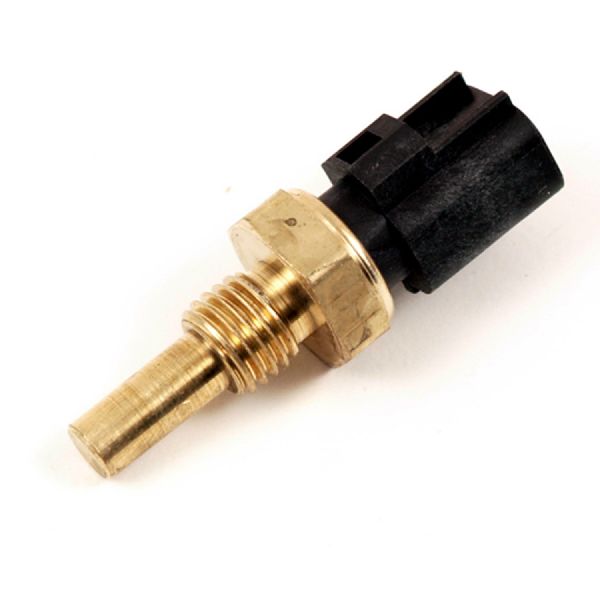
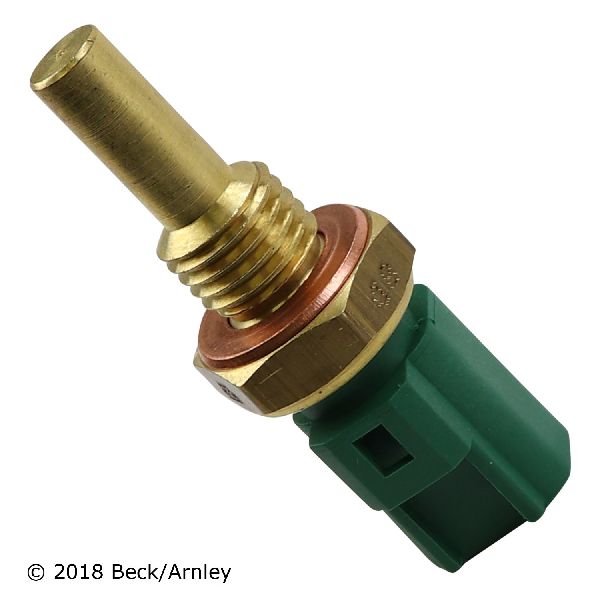
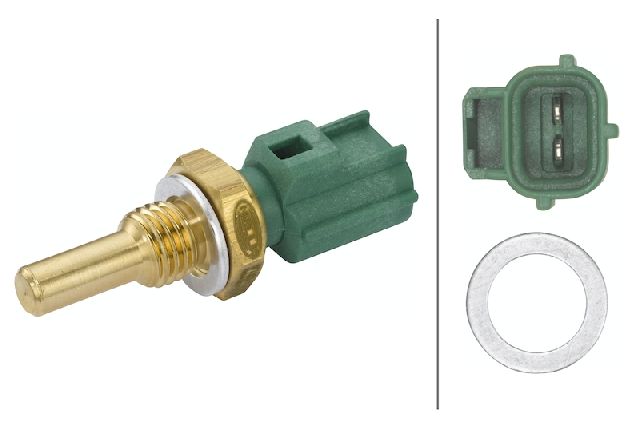
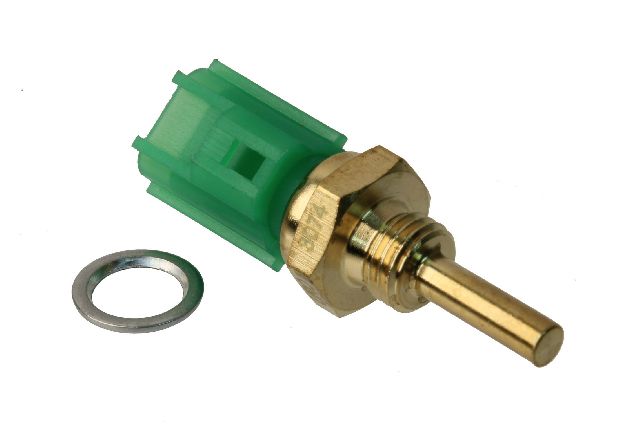
A very common mistake is ordering the wrong part. The Engine Coolant Temperature Sensor has a two-wire connector and sends data to the engine computer (ECU). The Water Temperature Sender typically has a single spade connector and only operates the temperature gauge on your dashboard. If your gauge is acting up but the engine runs fine, you likely need the sender. If you have a Check Engine Light and performance issues, you likely need the sensor.
Choosing a New Aftermarket ECT Sensor
When it comes to critical engine sensors on older Toyotas, many mechanics and owners prefer using the original equipment (OEM) part, which is typically made by Denso. However, several aftermarket brands offer quality replacements that provide good value.
Here’s a breakdown of available aftermarket brands into general quality tiers based on owner feedback and industry reputation:
- Tier 1 (High-Quality Aftermarket): Brands like Delphi, NGK (also known as NTK), and Beck Arnley are often considered strong choices. Beck Arnley, in particular, has a reputation for sourcing parts from the original OEM suppliers. Delphi is also known for its quality electronic components.
- Tier 2 (Reliable Mid-Grade): Brands such as Standard Ignition (SMP), Hella, and Vemo generally offer reliable parts that meet or exceed original specifications and are a solid choice for most repairs.
- Tier 3 (Economy): Brands like URO Parts, Facet, and Four Seasons are more budget-focused. While they can work, forum discussions suggest that for critical sensors, spending a little more on a higher-tier brand can prevent issues down the road. A user on a forum replaced a cheap part that failed quickly with a Denso part to solve their issue.
Pro Tip: Check the Connector
Before ordering, visually inspect the sensor on your engine. The connector style and color can vary slightly between years and engine models (22R-E, 3VZ-E, 3RZ-FE, 5VZ-FE). Also, check the wiring harness pigtail for brittleness or corrosion, as this is a common failure point and may need to be replaced as well.
Cost of Replacing the ECT Sensor
| Part Type | Estimated Cost |
|---|---|
| New Aftermarket | $11.55 - $52.71 |
| New OEM (Genuine Toyota/Denso) | $40 - $98 |
| Shop Labor | $75 - $150 |
Frequently Asked Questions (FAQ)
Where is the ECT sensor located on my 4Runner?
The location varies by engine:
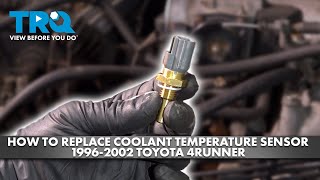
• 22R-E (4-cylinder): On the front of the intake manifold, below the throttle body, next to the cold start injector switch. 🎬 Watch this step-by-step 22RE coolant sensor replacement guide.
• 3VZ-E (3.0L V6): At the rear of the engine on a coolant manifold, near the firewall. It can be difficult to access.
• 5VZ-FE (3.4L V6) & 3RZ-FE (2.7L 4-cylinder): On the back of the engine block, underneath the intake manifold assembly.
Do I need to drain the coolant to replace the sensor?
Yes, it is highly recommended. If you don't, coolant will spill out as soon as you remove the old sensor. Draining the coolant partially, to a level below the sensor, is the proper way to do the job.
Is this a difficult DIY job?
For 22R-E engines, the job is relatively easy. For the 3.0L V6 (3VZ-E) and 3.4L V6 (5VZ-FE), it is more difficult due to the sensor's location at the back of the engine, which requires removing other components for access.
What happens if I ignore a bad ECT sensor?
Ignoring it can lead to long-term problems. Persistently running rich can foul your spark plugs and damage your expensive catalytic converter. It also wastes a significant amount of fuel. In rare cases, it could contribute to overheating issues that can cause severe engine damage.
My check engine light code is P0125. Is that the ECT sensor?
P0125 stands for "Insufficient Coolant Temperature for Closed Loop Fuel Control." This often points to a bad ECT sensor, but it can also be caused by a stuck-open thermostat, low coolant, or even issues with the oxygen sensor circuit in some cases. It's a good idea to check the whole cooling system if you get this code.
🎬 Learn more about diagnosing and fixing the P0125 code.Helpful Videos

Technical Specifications
OEM Part Numbers: 89422-35010 89422-20010 89422-30030
The ECT sensor for the ECU is a two-terminal sensor that functions as a thermistor, meaning its electrical resistance changes with temperature. The ECU sends a 5-volt reference signal and reads the voltage drop to determine coolant temperature. The separate gauge sender is a single-terminal unit.
We Have This Part in Stock


The information in this article is provided for general reference and educational purposes only. Vehicle specifications, procedures, and part compatibility can vary by production date, trim level, and region. Always consult your vehicle's factory service manual and verify part numbers before purchasing or performing repairs. Safety-critical components such as airbags, seat belts, and braking systems should be installed by a qualified professional.
- Toyota 4Runner:
- 🎬 Helpful Videos
- 🛍️ Shop This Part
- Is Your 4Runner Acting Up? It Could Be the Coolant Temp Sensor
- Symptoms of a Failing ECT Sensor in a 1989-2002 4Runner
- A Critical Distinction: Sensor vs. Sender
- Choosing a New Aftermarket ECT Sensor
- Pro Tip: Check the Connector
- Cost of Replacing the ECT Sensor
- Frequently Asked Questions (FAQ)
- 🎟️ Get 5% Off