

Ford Ranger Suspension Shock Absorber Guide (1989-2012)
Get the right shocks for your Ranger and fix that bouncy, unstable ride for good.
- You MUST identify your front suspension (coil spring vs. torsion bar) and drivetrain (2WD vs. 4WD) before ordering parts.
- For daily driving, brands like Monroe or KYB are excellent, affordable OEM-style replacements.
- For a noticeable upgrade in handling, especially for towing or light off-roading, Bilstein and Rancho are highly recommended by Ranger owners.
- Replacing shocks is a very common and manageable DIY job on a Ranger, especially the rears, which can save you significant labor costs.
Is Your Ranger's Ride Getting Rough?

Worn-out shock absorbers are a common issue on the 1989-2012 Ford Ranger. Over time, the seals inside the shock wear out, and the oil or gas inside loses its ability to control suspension movement. This leads to a variety of problems that make your truck less safe and enjoyable to drive.
Key Suspension Differences You MUST Know Before Buying
The 1989-2012 Ford Ranger was built with a few key suspension variations. Ordering the wrong parts is a common mistake. Before you buy, you need to know:
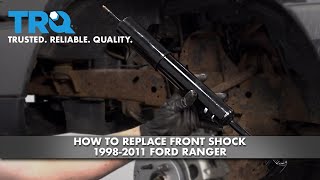
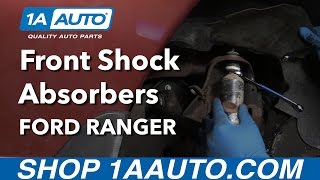
- Front Suspension Type: Some Rangers, particularly 2WD base models, use front coil springs. Many 4x4, Edge, and Sport models use a torsion bar front suspension. These two systems use completely different shocks. Look under the front of your truck: if you see a large metal coil spring, you have a coil spring suspension. 🎬 See how to replace front shocks on coil spring models. If you see a long metal bar running from the lower control arm back towards the middle of the truck, you have torsion bars.
- 2WD vs. 4WD: Shocks are often specific to the drivetrain. 4WD models may have different ride heights and weights, requiring different shock valving and lengths.
- Lift or Lowering Kits: If your Ranger has been lifted or lowered, you CANNOT use stock-length shocks. You must buy shocks specifically designed for the amount of lift or drop your truck has.
Symptoms of Failing Shocks on a Ford Ranger

If you notice any of these signs, it's probably time for new shocks:
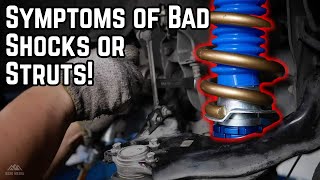
🎬 Watch: A visual guide to identifying bad shock symptoms.- Excessive Bouncing: The most classic sign. After hitting a bump, your truck continues to bounce up and down like a pogo stick. A good shock should settle the suspension in 1-2 bounces.
- Nose-Diving and Body Roll: When you hit the brakes, does the front end dip down excessively? Or does the truck feel like it's leaning too much in corners? This indicates the shocks aren't controlling the weight transfer.
- Unstable or "Floaty" Highway Ride: At higher speeds, a feeling that the truck is wandering or floating over the road can be caused by worn shocks.
- Unusual Tire Wear: Worn shocks can cause a specific type of tire wear called "cupping," which looks like scalloped patches on the tire tread.
- Visible Leaks: If you can see oil leaking down the side of the shock absorber body, it's a clear sign that the internal seals have failed and it needs to be replaced.
Choosing the Right Aftermarket Shocks for Your Ranger

The original factory (Motorcraft) shocks on the Ranger were adequate but not exceptional. The aftermarket offers a wide range of options that can restore the original ride or provide a significant upgrade in performance and durability. Here’s how the brands break down:
Tier 1: OEM-Style Replacements
These are your go-to for a simple, affordable replacement that restores the factory ride. They are perfect for a daily driven truck that doesn't see heavy hauling or serious off-road use.
- Monroe & KYB: These are the most common and trusted brands in this category. They offer a ride very similar to the original shocks and are a cost-effective choice.
- Sachs, FCS Struts, PRT: Solid budget-friendly options that will get the job done for daily driving.
Tier 2: Heavy-Duty & Performance Upgrades
If you use your Ranger for towing, hauling, or light off-roading, stepping up to this tier is one of the best upgrades you can make. They offer better control and durability.
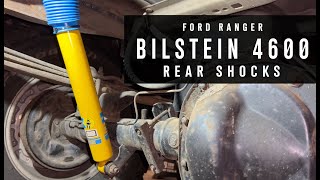
- Bilstein (4600 & 5100 Series): A top choice among Ranger owners for a reason. Bilstein shocks provide a firmer, more controlled ride that reduces body roll and improves handling, especially with a load. The 5100 series is for lifted applications.
- Rancho (RS5000X & RS9000XL): Another very popular brand. The RS5000X is a great all-around upgrade. The RS9000XL series is adjustable, allowing you to dial in nine levels of firmness, which is great if you switch between daily driving and heavy towing.
Tier 3: High-Performance & Off-Road
For lifted trucks, serious trail use, or high-speed desert running, these brands offer the highest level of performance and durability. They are more expensive but are built to handle extreme conditions.
- Fox Racing Shox & ICON Vehicle Dynamics: Premium choices for serious off-road performance, offering superior heat dissipation and control over rough terrain.
- Old Man Emu, Skyjacker, Pro Comp, Fabtech, Superlift, Tuff Country: These brands specialize in off-road suspension systems and offer shocks designed to work with their lift kits, providing excellent articulation and durability on the trail.
Specialty: Lowering Shocks
If you have a lowered street-style Ranger, you need shocks designed for reduced suspension travel.
- Bell Tech & MaxTrac: These brands are leaders in sport truck suspension and offer shocks specifically valved for lowered applications to provide a good ride without bottoming out.
Pro Tip: Monotube vs. Twin-Tube
You'll see these terms a lot. Twin-tube shocks (like most OEM-style replacements) are affordable and provide a comfortable ride for normal conditions. Monotube shocks (like Bilstein and Fox) have a more advanced design that separates the oil and high-pressure nitrogen gas. This prevents the oil from foaming under heavy use (a problem called "fade"), providing more consistent performance, especially off-road or when towing. They often provide a firmer, more controlled ride.
Cost to Replace Ford Ranger Shocks

| Part / Service | Estimated Cost |
|---|---|
| Aftermarket Shocks (Set of 4, DIY) | $120 - $400+ |
| Shop Labor (Per Pair) | $100 - $250 |
| Total Shop Replacement (Parts & Labor, All 4) | $450 - $700+ |
Frequently Asked Questions
Do I have to replace all four shocks at once?
It is highly recommended. Shocks are wear items, and they should be replaced in pairs (both fronts or both rears) at a minimum. Replacing all four at the same time ensures balanced handling and predictable performance.
Is replacing Ranger shocks a good DIY job?
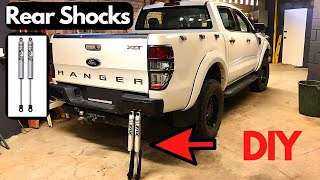
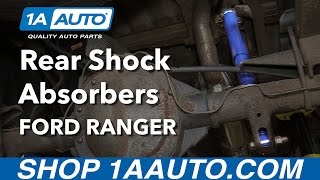
Yes, for most models it's a very feasible DIY project. The rear shocks are especially easy, often taking less than 30 minutes for the pair. 🎬 Watch this quick walkthrough for replacing your rear shocks. The fronts can be a bit more involved, especially on models with torsion bars, but are still manageable with basic hand tools, a jack, and jack stands. Rust can be your biggest enemy, so be prepared with penetrating oil.
Are there any recalls for the 1989-2012 Ranger's shocks?
No, a search of the National Highway Traffic Safety Administration (NHTSA) database did not find any recalls specifically for the shock absorbers on the 1989-2012 Ford Ranger. There were recalls related to airbags on some model years, but not the suspension shocks.
My truck has a vibration when I accelerate. Could that be the shocks?
It's unlikely. While shocks control bounce, a vibration during acceleration is more commonly related to driveline issues like U-joints or axle pinion angle. In fact, Ford issued Technical Service Bulletins (TSBs) for newer Rangers regarding vibration from an incorrect pinion angle, but this is not a shock absorber problem.
Helpful Videos
Technical Specifications
Key specifications depend on the vehicle's sub-model. Crucial factors to verify before purchase include: 1) Front suspension type (Coil Spring or Torsion Bar). 2) Drivetrain (2WD or 4WD). 3) Ride height (Stock, Lifted, or Lowered). Shocks are available in twin-tube and monotube designs.
We Have This Part in Stock


The information in this article is provided for general reference and educational purposes only. Vehicle specifications, procedures, and part compatibility can vary by production date, trim level, and region. Always consult your vehicle's factory service manual and verify part numbers before purchasing or performing repairs. Safety-critical components such as airbags, seat belts, and braking systems should be installed by a qualified professional.
- Ford Ranger:
- 🎬 Helpful Videos
- 🛍️ Shop This Part
- Is Your Ranger's Ride Getting Rough?
- Key Suspension Differences You MUST Know Before Buying
- Symptoms of Failing Shocks on a Ford Ranger
- Choosing the Right Aftermarket Shocks for Your Ranger
- Tier 1: OEM-Style Replacements
- Tier 2: Heavy-Duty & Performance Upgrades
- Tier 3: High-Performance & Off-Road
- Specialty: Lowering Shocks
- Pro Tip: Monotube vs. Twin-Tube
- Cost to Replace Ford Ranger Shocks
- Frequently Asked Questions
- 🎟️ Get 5% Off