

A/C Receiver Drier Replacement Guide for the 1990-1994 Mitsubishi Eclipse
Keep your first-gen Eclipse A/C blowing ice cold by understanding this critical and often-neglected component.
- The receiver drier must be replaced any time the A/C system is opened for repairs.
- This job requires professional service to safely evacuate and recharge the refrigerant; it is not a simple DIY task.
- A bad drier can cause poor cooling and lead to the failure of more expensive parts like the compressor.
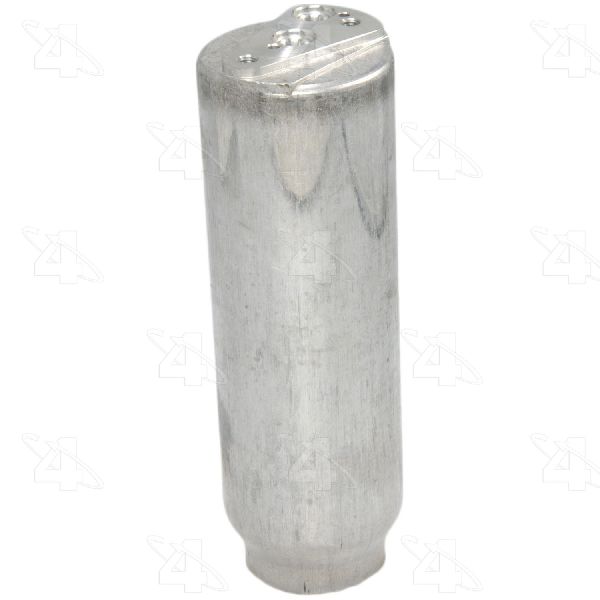
- For this vehicle, Denso is a top-tier aftermarket choice, while Four Seasons and GPD are reliable budget options.
Is Your Eclipse A/C Getting Weak? It Might Be the Receiver Drier.
If your Eclipse's air conditioning isn't performing like it used to, a failing A/C receiver drier could be the culprit. This part acts as the guardian of your A/C system. Over time, the moisture-absorbing material inside, called desiccant, becomes saturated and can no longer protect the system. A clogged or failed drier restricts refrigerant flow, leading to poor cooling and potentially catastrophic failure of other components like the A/C compressor.
Pro Tip: The receiver drier should be replaced every time the A/C system is opened for service, such as when replacing a compressor or hose. Its desiccant material gets saturated within hours of being exposed to atmospheric air, making it ineffective.
Symptoms of a Bad A/C Receiver Drier
- Poor Cooling Performance: The most common symptom is air from the vents that isn't as cold as it should be, or is just warm. This happens when the drier is clogged and restricts refrigerant flow.
- Rattling Noises: If you hear rattling from the engine bay when the A/C is on, it could be because the internal components of the drier have broken apart.
- Musty or Moldy Smell: When the desiccant fails, moisture builds up in the system, which can lead to mold or mildew growth that you can smell through the vents.
- Visible Leaks or Frost: While rare for the drier itself to leak, you might see oily residue around the line fittings. In some cases of a severe clog, you might even see frost build up on the drier itself.
Choosing the Right Aftermarket Receiver Drier
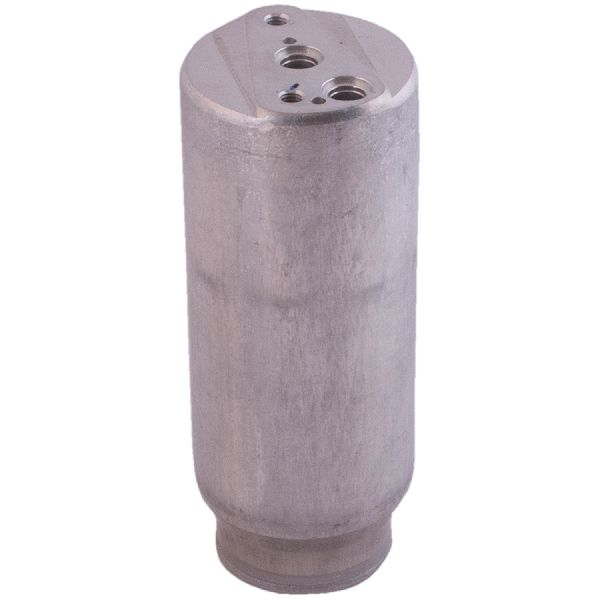
For a vehicle like the 1990-1994 Eclipse, finding a new OEM receiver drier from Mitsubishi is highly unlikely. Aftermarket parts are the most practical and available option. Quality can vary, so it's important to choose a reputable brand.
- Top Tier (OEM Quality): Denso is a well-regarded brand that is often the original equipment manufacturer for many Japanese vehicles. Choosing a Denso part is the closest you can get to original factory quality and is highly recommended for reliability and longevity.
- Standard Tier (Good Value): Four Seasons is a widely available aftermarket brand that offers a balance of affordability and acceptable quality. While some mechanics have mixed opinions, it is a common choice for repairs on older vehicles.
- Economy Tier (Budget Option): Global Parts Distributors (GPD) is another budget-friendly option. Like other economy parts, it will get the job done, but may not have the same long-term durability as a top-tier brand.
Important Note on Refrigerant: Your 1990-1994 Eclipse originally came with R-12 refrigerant. Many of these cars have been converted to the newer R-134a. Ensure the receiver drier you purchase is compatible with the type of refrigerant in your system. The service ports for R-134a are different, which is a good way to check.
Estimated Replacement Costs
The cost is separated into the part itself and the labor, as the labor involves specialized equipment that most DIY mechanics do not own.
| Item | Estimated Cost |
|---|---|
| New Aftermarket Receiver Drier | $20 - $45 |
| Shop Labor (Evacuate & Recharge) | $200 - $350 |
| Total Professional Installation | $220 - $395 |
Frequently Asked Questions (FAQ)
Can I replace the A/C receiver drier myself?
While physically unbolting the old drier and installing a new one is simple, the job is not feasible for most DIYers. It is illegal and unsafe to release refrigerant into the atmosphere. The A/C system must be professionally evacuated before opening it and then vacuumed and recharged with the precise amount of refrigerant and oil afterward. This requires expensive, specialized machinery.
Where is the receiver drier located on my Eclipse?
On the first-generation (1G) DSM cars like your Eclipse, the receiver drier is a black or silver can located in the engine bay, typically behind the driver's side headlight. You can trace the metal A/C lines to find it.
Do I need to add oil when replacing the receiver drier?
Yes. When you remove the old drier, you should pour out the oil inside into a measuring cup to see how much came out. You should then add the same amount of new, correct-type (PAG) oil to the new receiver drier before installation. Your service manual will specify the exact type and total system capacity.
What's the difference between a receiver/drier and an accumulator?
They perform similar functions but are used in different types of A/C systems. Your Eclipse uses an expansion valve system, which requires a receiver/drier on the high-pressure side. Systems with an orifice tube use an accumulator on the low-pressure side. You will not have both.
Technical Specifications
System uses an expansion valve. Part is located on the high-pressure line. Check for compatibility with R-12 or R-134a refrigerant.
We Have This Part in Stock

The information in this article is provided for general reference and educational purposes only. Vehicle specifications, procedures, and part compatibility can vary by production date, trim level, and region. Always consult your vehicle's factory service manual and verify part numbers before purchasing or performing repairs. Safety-critical components such as airbags, seat belts, and braking systems should be installed by a qualified professional.
- Mitsubishi Eclipse: