

Choosing the Right Front Disc Brake Pads for a 1990-1994 Toyota 4Runner
Stop guessing on brake pads and get the right stopping power for your 2nd Gen 4Runner.
- For most 1990-1994 4Runner owners, a quality aftermarket ceramic pad from a brand like Akebono, Advics, or Bosch offers the best blend of performance and value.
- If you tow, haul heavy loads, or have oversized tires, upgrade to a heavy-duty set like Powerstop Z36 or Hawk Performance to handle the extra heat and stress.
- Replacing pads on this 4Runner is a feasible DIY job, but be aware that replacing the rotors requires disassembling the front hub, which is more complex than on modern vehicles.
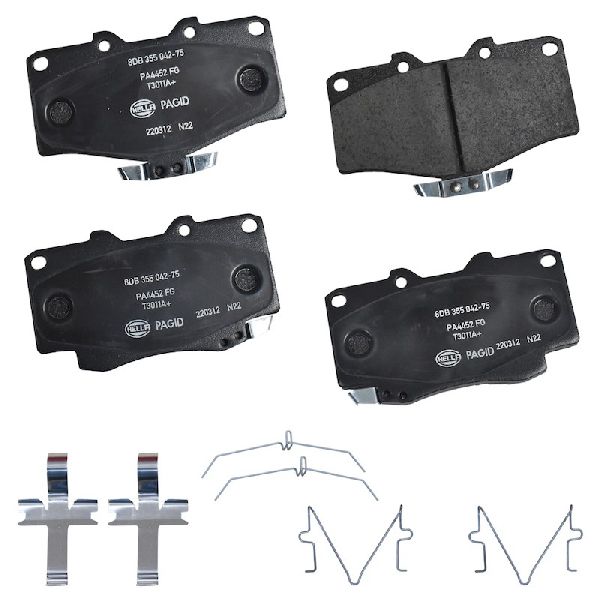
- Always consider replacing the rotors and hardware kit along with the pads to ensure optimal braking performance and longevity.
Is it Time for New Brake Pads?
Your 1990-1994 4Runner's brakes will tell you when they need service. Don't ignore these signs, as worn-out pads can lead to more expensive repairs, like damage to the brake rotors or calipers.
Common Symptoms of Worn Brake Pads:
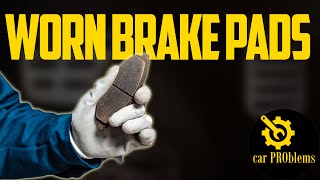
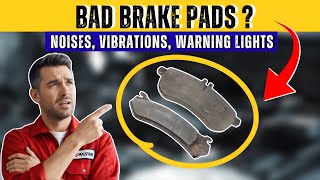
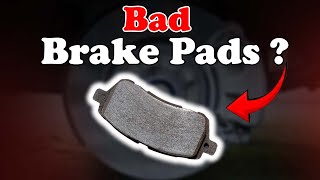
🎬 Watch: A visual guide to identifying worn brake pad symptoms.- Squealing or Screeching: Most brake pads have a small metal tab called a wear indicator. When the pad material wears down, this tab scrapes against the rotor, making a high-pitched noise to alert you.
- Grinding Noises: If you hear a deep, metallic grinding, it means the pad material is completely gone. The metal backing plate of the pad is now grinding against the rotor, causing serious damage. Stop driving immediately and have the brakes inspected.
- Spongy or Soft Brake Pedal: If the pedal feels less responsive or goes down further than usual, it could be a sign of worn pads or a problem with the brake fluid.
- Pulling to One Side: If the truck pulls to the left or right when you brake, it could mean the pads are wearing unevenly or a caliper piston is sticking.
Choosing Aftermarket Brake Pads for Your 2nd Gen 4Runner
The original Toyota pads for this era were good, but aftermarket technology has come a long way. Many aftermarket brands offer performance that meets or exceeds the original design, often for less money. For a vehicle as old as the 1990-1994 4Runner, a quality aftermarket pad is an excellent choice. Brands like Akebono and Advics are often original equipment (OEM) suppliers to Toyota, so their aftermarket products are a safe bet for quality and fit.
Brake Pad Tiers for Every Use
We can group the available brands into three main categories based on their intended use and quality.
Tier 1: Daily Driver & OEM-Quality
These pads are perfect for everyday driving. They offer a balance of quiet operation, low dust, and reliable stopping power, similar to what the truck had when it was new.
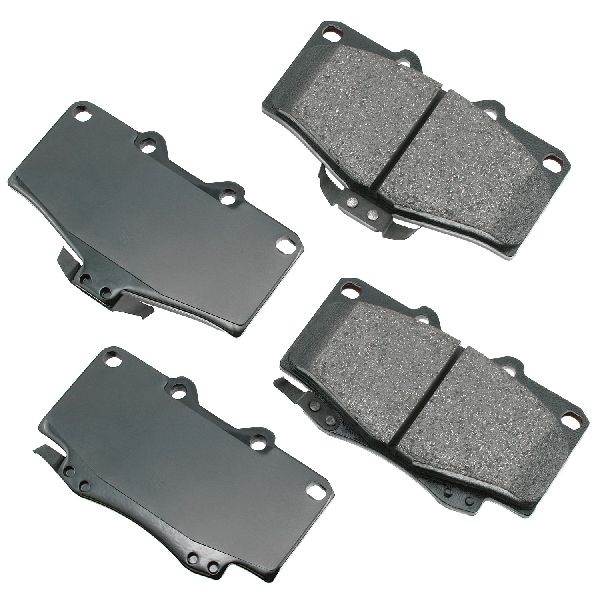
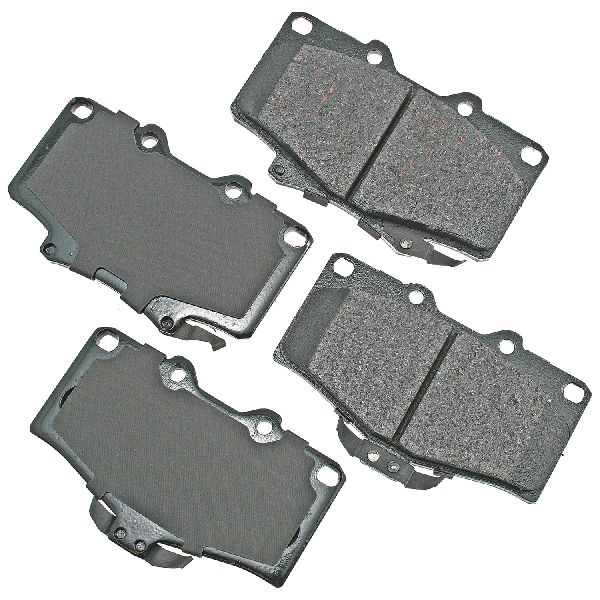
- Advics & Akebono: Both are well-regarded as OEM suppliers for Toyota. You can't go wrong with these for factory-like performance, quiet operation, and low dust.
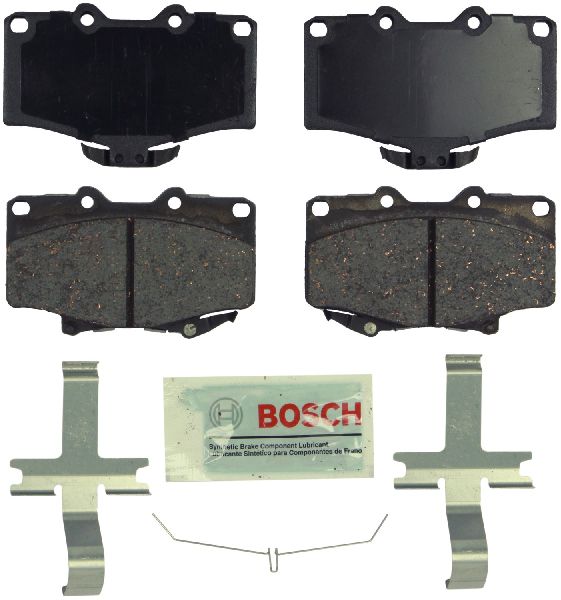
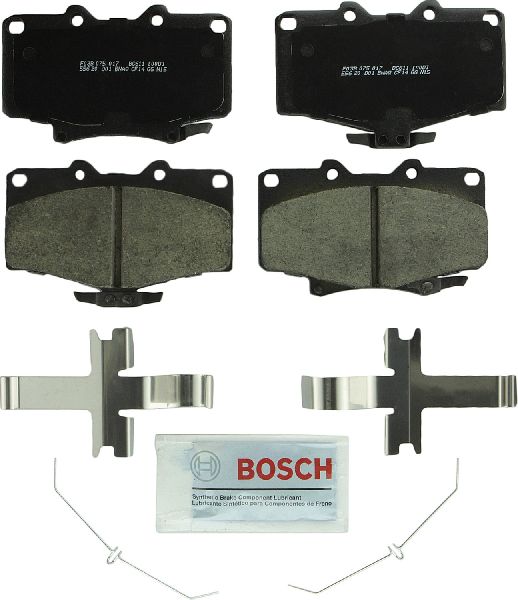
- Bosch QuietCast: A popular choice known for quiet performance and including hardware, which OEM pads often don't.
- Centric & Wagner: Solid, reputable brands that provide reliable, standard replacement quality pads.
Tier 2: Heavy-Duty & Performance Upgrade
If you tow, go off-road, or have larger tires on your 4Runner, you need pads that can handle more heat and provide extra stopping power.
- Powerstop (Z36 Truck & Tow): A very popular upgrade for trucks and SUVs. Their carbon-fiber ceramic formula is designed for heavy loads and provides increased stopping power while managing heat effectively.
- Hawk Performance: Known for aggressive compounds that offer a significant bite. They are excellent for heavy-duty use but may produce more dust and noise than daily driver pads.
- EBC Brakes (Greenstuff/Yellowstuff): A well-known performance brand. Their different compounds allow you to choose between a performance street pad (Greenstuff) or a more aggressive pad for heavy use (Yellowstuff).
Tier 3: Economy
These pads meet basic safety standards and are the most budget-friendly. They'll get the job done for light, infrequent driving but may not last as long or be as quiet as higher-tier options.
- Pronto, Dynamic Friction, Total Stopping Solutions: These brands offer a functional, low-cost solution to get your 4Runner back on the road safely.
Cost of New Disc Brake Pad Sets (1990-1994 Toyota 4Runner)
| Part Type | Price Range | Notes |
|---|---|---|
| New Aftermarket | $26.45 - $192.59 | Price varies widely by brand and performance level. Economy pads are on the low end, while high-performance towing pads are on the high end. |
| Shop Labor | $100 - $200 | This is an estimate for just installing the pads. Cost will be higher if rotors or calipers also need service. |
Frequently Asked Questions (FAQ)
Do I need to replace my rotors with my pads?
It's highly recommended. While not always required if the rotors are in perfect shape, replacing rotors and pads together ensures the best performance and prevents new pads from wearing unevenly on an old surface. Given the age of the vehicle, it's a good practice.
What's the difference between ceramic and semi-metallic pads?
Ceramic pads are generally quieter, produce less dust, and are gentle on rotors. Semi-metallic pads offer better heat dissipation and a stronger bite, making them good for heavy-duty use like towing, but they can be noisier and create more dust.
Is replacing brake pads a DIY job on my 4Runner?
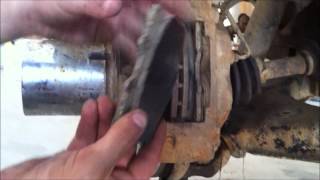
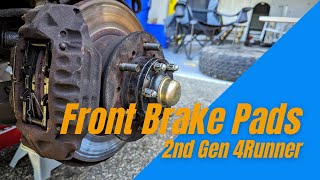
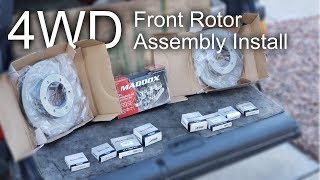
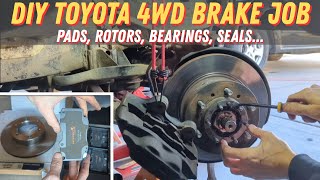
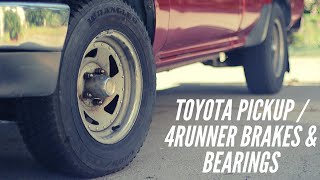
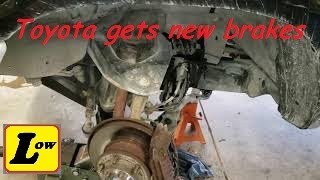
Yes, for a mechanically inclined person. The front brakes on a 1990-1994 4Runner are relatively straightforward. 🎬 See this step-by-step walkthrough for changing your 4Runner's pads. However, the job involves removing the hub assembly to replace the rotors, which is more involved than on many modern cars. 🎬 Watch: Detailed guide on replacing rotors, pads, and seals. You will need proper tools, including a jack, jack stands, and potentially a C-clamp to compress the caliper pistons.
Are there any recalls on the brakes for this 4Runner?
No, searches of the National Highway Traffic Safety Administration (NHTSA) database did not show any recalls specifically for the disc brake pads on the 1990-1994 Toyota 4Runner. There were recalls and service campaigns for other issues like the steering relay rod and V6 engine head gaskets.
Helpful Videos

Technical Specifications
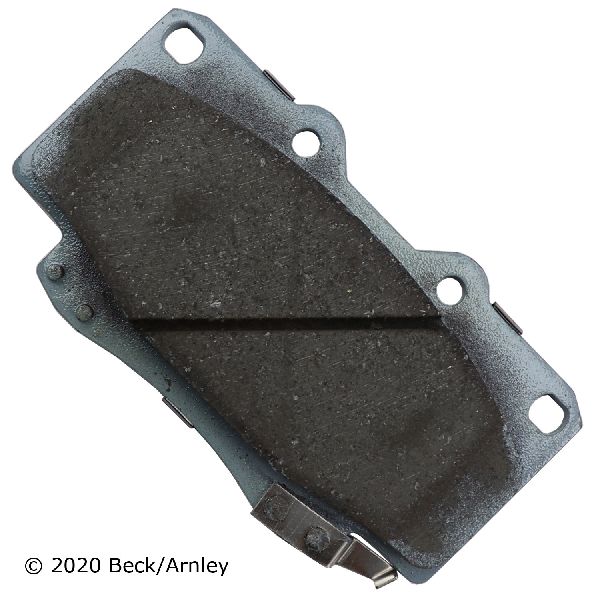
The 1990-1994 Toyota 4Runner uses a 4-piston fixed front caliper design. Brake pads are held in place by two retaining pins and an anti-rattle spring clip. There was a mid-year change in 1991 where calipers became wider with larger pistons and rotors became thicker; however, the brake pads themselves remained the same for pre and post-change models.
We Have This Part in Stock

The information in this article is provided for general reference and educational purposes only. Vehicle specifications, procedures, and part compatibility can vary by production date, trim level, and region. Always consult your vehicle's factory service manual and verify part numbers before purchasing or performing repairs. Safety-critical components such as airbags, seat belts, and braking systems should be installed by a qualified professional.
- Toyota 4Runner: