

Volkswagen Passat CV Joint Boot Kit Guide for 1990-1994 Models
Everything a B3/B4 Passat owner needs to know before replacing a CV joint boot.
- Inspect for grease splatter inside your wheels regularly to catch a torn boot early.
- If your CV joint isn't making noise, just replace the boot with a quality kit; don't replace the whole axle.
- Choose German-focused aftermarket brands like Febi or CRP for the best results on your Passat.
- Avoid 'split boot' kits that glue together; they are not a reliable long-term repair.
Symptoms of a Failing CV Joint Boot
The first sign of a problem is usually not the boot itself, but the evidence it leaves behind. If you catch it early, you can save yourself from a more expensive repair.
Key Failure Signs
- Grease Splatter: The most common and earliest sign is dark, heavy grease slung on the inside of your wheel, on the brake components, or on the suspension. This means the boot has a tear and is leaking its lubricant.
- Clicking Noise When Turning: If you hear a rhythmic clicking or popping sound that gets faster as you accelerate through a turn, the CV joint itself is likely already worn from lack of grease. This means the boot failed some time ago.
- Vibrations: A shudder or vibration that you can feel through the floor or steering wheel during acceleration can be a symptom of a failing inner CV joint.
Choosing the Right Aftermarket CV Boot Kit
For a 1990-1994 Passat, the original axles are generally high quality. If the CV joint isn't clicking yet, simply replacing the boot with a quality kit is the best and most cost-effective repair. Avoid the temptation to buy a cheap, complete axle assembly, as the quality is often far inferior to your original VW axle with a new boot.
A Word on Split Boots
You may see "split" or "quick-install" boot kits that can be glued together over the axle without removing it. Avoid these. Forum users and mechanics agree that they are, at best, a temporary fix. It is very difficult to get the surfaces clean enough for the glue to create a lasting seal, and they often fail quickly, forcing you to do the job again.
Brand Quality Tiers for Your Passat
Not all aftermarket brands are created equal. For German cars like your Passat, choosing a brand known for European applications is a smart move.
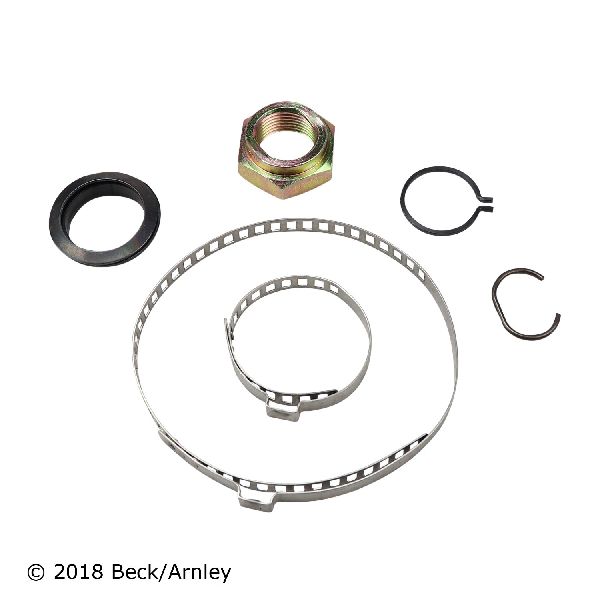
- Tier 1: OEM-Quality Brands (Recommended): Brands like Febi, CRP (Rein), and Vaico specialize in parts for German vehicles. They are known to meet or exceed original specifications and provide durable boots made from quality materials (either thermoplast or rubber) that fit correctly. These kits typically include the correct type and amount of grease and new hardware.
- Tier 2: Reputable General Aftermarket: Beck Arnley is a well-known aftermarket supplier with a wide range of parts. They are a viable option, though may not have the specific focus on German cars as the Tier 1 brands.
- Tier 3: Economy Brands & Dorman: Brands like Dorman or Motormite offer a lower-cost alternative. However, reviews are often mixed, with some users reporting issues with material quality and fitment. If choosing this tier, inspect the part carefully before installation.
Estimated Replacement Costs
Replacing a CV boot involves significant labor. The part itself is relatively inexpensive compared to the time it takes to install it.
| Part or Service | Estimated Cost |
|---|---|
| New Aftermarket CV Boot Kit | $10 - $84 |
| Shop Labor (per side) | $175 - $400 |
| Total (DIY) | $10 - $84 |
| Total (Installed at Shop) | $185 - $484 |
Cost estimates are for one side. Labor costs vary by region and shop.
Frequently Asked Questions
Can I replace just the boot, or do I need a whole new axle?
If you caught the problem early (the boot is torn but the joint is not making noise), you should only replace the boot and repack the joint with fresh grease. This preserves your high-quality original VW axle. If the joint is clicking, popping, or grinding, the joint is damaged and the entire axle shaft should be replaced.
Is it better to use a rubber or thermoplastic boot?
Both materials are used by quality manufacturers. Newer VWs often use harder, thermoplastic boots which are very durable but can be prone to splitting near the clamp. Softer rubber boots are more flexible. For this generation Passat, a quality boot of either material from a reputable brand like Febi or CRP will perform well for daily driving.
Are the inner and outer boots the same?
No, they are different. The outer boot is designed to handle the extreme angles of the wheels turning. The inner boot connects to the transmission and experiences different forces. Ensure you are ordering the correct part for the inner or outer position.
Is this a difficult DIY job?
It is a moderately difficult and messy job. It requires safely lifting the vehicle, removing the wheel, and detaching suspension components to pull the axle shaft out of the car. You will need special tools like circlip pliers and a way to properly clamp the new boot. It is achievable for an experienced DIYer, but a beginner may find it challenging.
Were there any recalls for the 1990-1994 Passat CV boots?
No recalls or common Technical Service Bulletins (TSBs) were found for this specific issue. Failures on a vehicle of this age are almost always due to the age and wear of the original rubber components.
Technical Specifications
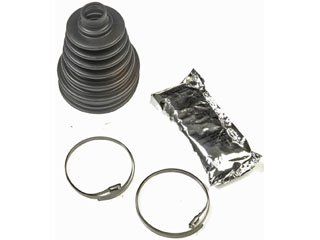
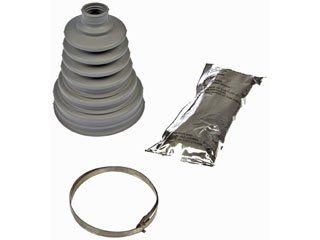
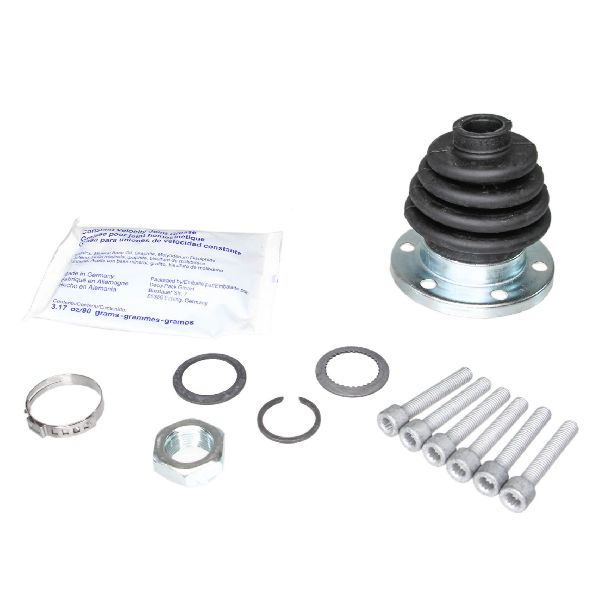
Kit typically includes one boot, two clamps, and a packet of specialized CV joint grease. Inner and outer boots are different parts.
We Have This Part in Stock


The information in this article is provided for general reference and educational purposes only. Vehicle specifications, procedures, and part compatibility can vary by production date, trim level, and region. Always consult your vehicle's factory service manual and verify part numbers before purchasing or performing repairs. Safety-critical components such as airbags, seat belts, and braking systems should be installed by a qualified professional.
- Volkswagen Passat: