

Volkswagen Passat Oxygen Sensor Guide: 1990-1994
Restore your Passat's fuel economy and performance by choosing the right oxygen sensor.
- A failing oxygen sensor will decrease fuel economy and can cause rough running.
- For best results, choose a direct-fit sensor from a premium brand like Bosch, NGK, or Denso.
- Do not ignore a bad O2 sensor, as it can lead to costly catalytic converter damage.
- This is a pre-OBD-II vehicle, so fault codes are checked with a 'blink code' test, not a standard scanner.
Is Your Passat's Oxygen Sensor Failing?
A bad oxygen sensor can cause a range of problems, from annoying to serious. Because these B3-generation Passats are older, the O2 sensor is a common part to fail. If you ignore the symptoms, you risk poor performance, higher fuel costs, and potential damage to your catalytic converter, which is a much more expensive repair.
Key Symptoms of a Bad O2 Sensor
- Poor Fuel Economy: One of the most common signs is your car suddenly using more gas than usual.
- Rough Idle or Misfires: The engine may idle unevenly, hesitate, or misfire because of an incorrect air-fuel ratio.
- Check Engine Light: A failing sensor will trigger the Check Engine Light. On these pre-OBD-II cars, you'll need to retrieve the fault code using a specific "blink code" procedure, not a standard scanner.
- Rotten Egg Smell: A strong smell of sulfur from the exhaust indicates a rich fuel mixture that can damage the catalytic converter.
- Failed Emissions Test: An incorrect air-fuel mixture leads to higher emissions, causing an automatic failure.
Choosing the Right Aftermarket Oxygen Sensor
For a German vehicle like the 1990-1994 Passat, sticking with a known OEM (Original Equipment Manufacturer) supplier is a smart choice. However, several quality aftermarket options are available at different price points.
Tier 1: OEM & Premium Aftermarket
These brands are known for providing original parts for Volkswagen or have a reputation for equivalent quality and reliability. They are the recommended choice for a direct, trouble-free replacement.
- Bosch: As the likely OEM for your Passat and the inventor of the oxygen sensor, Bosch is the safest bet for fit, performance, and longevity. Forum users consistently recommend using Bosch parts for German cars.
- NGK (NTK): NTK is the sensor division of NGK. They are a top-tier OEM supplier for many Japanese cars and are widely respected for their quality and reliability, often considered equivalent to Bosch.
- Denso: Another major OEM supplier with a stellar reputation. Denso sensors are known for their precision and durability.
Tier 2: Reputable Aftermarket
These brands offer a good balance of quality and value. They are a solid choice if a premium brand is out of budget.
- Delphi: A large OEM supplier for many American and European brands, Delphi produces reliable aftermarket parts.
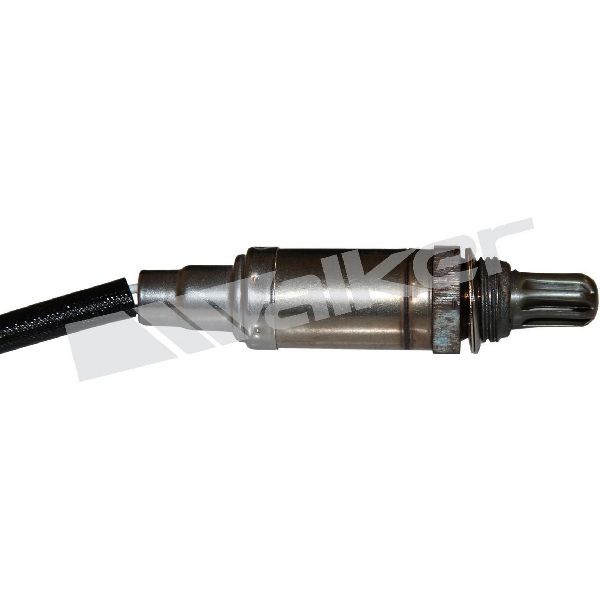
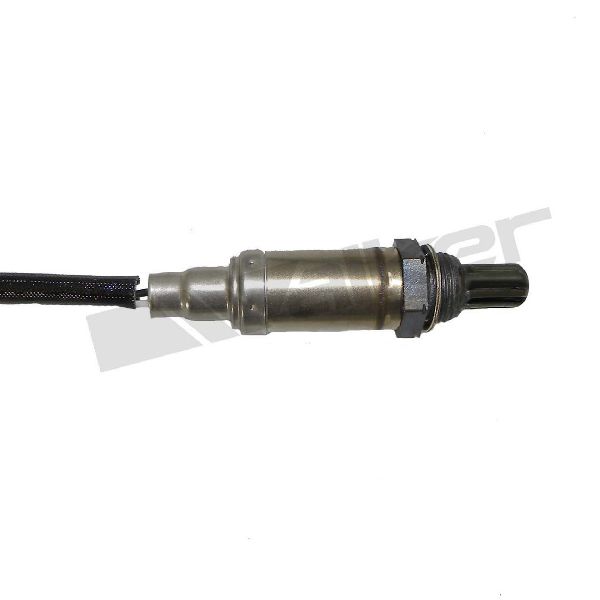
- Walker Products: A well-known aftermarket exhaust and emissions parts manufacturer offering a wide range of sensors.
Tier 3: Budget-Friendly
These brands provide a low-cost alternative. While functional, they may not offer the same lifespan or precise calibration as premium brands.
- Spectra: Known for fuel system and engine management components, offering a budget option.
- DriveWire: A value-focused brand for common replacement parts.
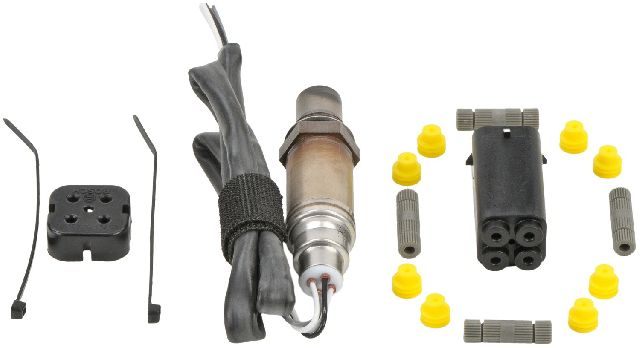
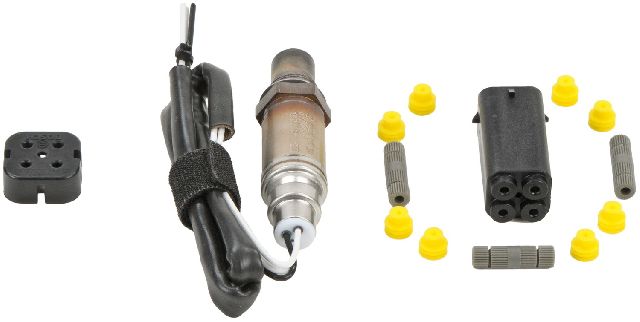
Pro Tip: Always choose a "direct-fit" sensor with the correct electrical connector. Avoid "universal" sensors that require you to cut and splice wires. An improper connection can lead to incorrect readings and sensor failure.
Oxygen Sensor Replacement Cost
The cost depends on the brand you choose and whether you do the work yourself or hire a mechanic.
| Part & Labor | Estimated Cost |
|---|---|
| New Aftermarket Part | $25 - $171 |
| Shop Labor | $60 - $120 |
| Total Estimated Cost | $85 - $291 |
Frequently Asked Questions
How many oxygen sensors does my 1990-1994 Passat have?
Your Passat from this era has one oxygen sensor, located in the exhaust system before the catalytic converter. Vehicles from 1996 and newer (OBD-II) have two or more sensors.
Can I replace the oxygen sensor myself?
Yes, this is a DIY-friendly job for most home mechanics. The main challenge is that the sensor can be rusted and seized in the exhaust pipe. You will need a special oxygen sensor socket that allows the wire to pass through. Soaking the sensor with penetrating oil for a day beforehand is highly recommended.
Where is the oxygen sensor located?
The oxygen sensor is screwed into the exhaust pipe or exhaust manifold. On the B3 Passat, the harness connector is typically mounted on the right side of the engine mount. Following the wire from this connector will lead you to the sensor.
Are there any recalls for the oxygen sensor on my Passat?
No, searches of the NHTSA database show no specific recalls or technical service bulletins (TSBs) related to the oxygen sensor for the 1990-1994 Volkswagen Passat.
Technical Specifications
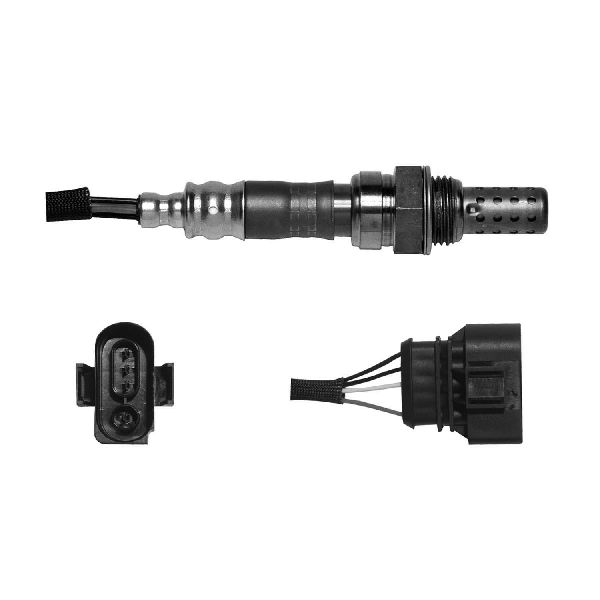
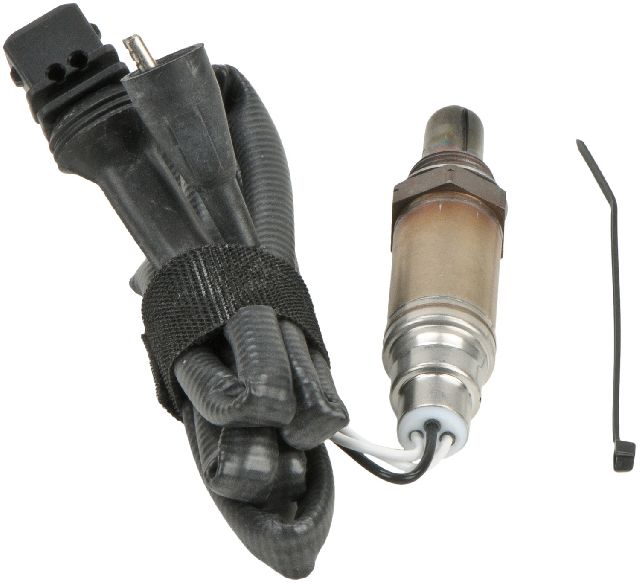
Your 1990-1994 Passat uses a single, heated, 3-wire or 4-wire oxygen sensor located before the catalytic converter. Ensure you purchase a direct-fit model with the correct connector to avoid installation issues.
We Have This Part in Stock

The information in this article is provided for general reference and educational purposes only. Vehicle specifications, procedures, and part compatibility can vary by production date, trim level, and region. Always consult your vehicle's factory service manual and verify part numbers before purchasing or performing repairs. Safety-critical components such as airbags, seat belts, and braking systems should be installed by a qualified professional.
- Volkswagen Passat: