

1990-1996 BMW 320i (E36) Accessory Drive Belt Replacement Guide
Address squealing noises and prevent breakdowns by understanding your E36's accessory drive belt system.
- A squealing noise is the first sign of a problem; do not ignore it.
- Always replace the tensioner and idler pulleys if they are noisy, rough, or wobbly. They are common failure points on the E36.
- You must remove the A/C belt to replace the main accessory belt, so it's best to replace both at the same time.
- A quality aftermarket belt from a brand like ACDelco or Continental offers the same performance as an OEM part for less money.
Is Your BMW 320i's Accessory Belt Failing?
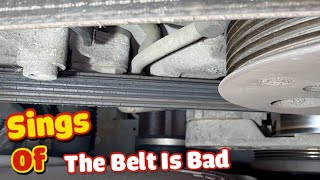
The accessory drive belt in your E36 320i is a wear-and-tear item made of durable rubber, but it won't last forever. Because these models use an automatic tensioner, the belt might not make noise until it's about to fail completely. A visual inspection is the best way to check its condition. Look for cracks in the ribs, fraying at the edges, or a shiny, glazed appearance.
Top 4 Signs of a Bad Accessory Drive Belt
- Squealing or Chirping Noises: A high-pitched squeal from the engine, especially at startup or during acceleration, is a classic sign of a slipping or worn belt.
- Engine Overheating: The drive belt powers the water pump. If the belt slips or breaks, the water pump stops working, leading to rapid engine overheating.
- Steering and Electrical Problems: A failing belt can cause the steering to feel stiff because the power steering pump isn't getting enough power. You might also see a battery warning light or experience dimming headlights if the alternator isn't being spun correctly.
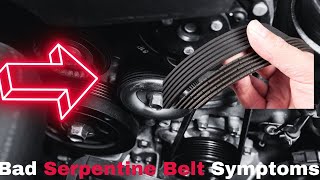
- Visible Wear: Look for cracks, missing chunks of rubber, or frayed edges on the belt. Any visible damage means the belt is due for immediate replacement. 🎬 Watch: 6 common signs of a failing drive belt
Pro Tip: Inspect Pulleys and Tensioners
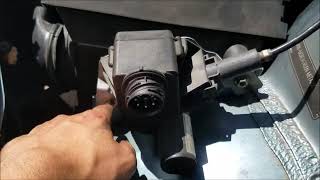
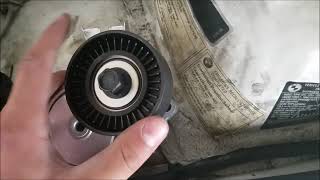
While the belt is off, it is critical to inspect the tensioner and idler pulleys. On the E36, these pulleys are often made of plastic and can become brittle, seize, or shatter with age. Spin each pulley by hand. If you hear any noise or feel roughness or wobbling, it must be replaced. A failing pulley can destroy a brand-new belt very quickly.
🎬 See how to replace the belt, tensioner, and idler pulleyChoosing the Right Aftermarket Belt for Your E36
For a wear item like an accessory belt, you don't need to buy a part from a BMW dealer. High-quality aftermarket brands often provide the same performance for less money. In many cases, brands like Continental are the original equipment (OE) manufacturer, meaning they made the part that BMW originally installed at the factory.
- OEM-Equivalent Brands (e.g., Continental): These are often the exact same part as the original, just without the BMW logo and price tag. They are a top choice for quality and fit.
- Quality Aftermarket Brands (e.g., ACDelco, Gates): Reputable brands like ACDelco produce belts that meet or exceed OEM specifications. They are a reliable and cost-effective option for your 320i.
The most important factor is choosing a belt made from modern EPDM rubber, which offers a long service life and resistance to heat and cracking.
| Part Type | Part Cost | Labor Cost | Total Cost |
|---|---|---|---|
| New Aftermarket (ACDelco) | $27.53 | $75 - $150 | $102.53 - $177.53 |
| New OEM (Dealer) | $20 - $40 | $75 - $150 | $95 - $190 |
Frequently Asked Questions
Do I need to replace both belts on my 320i?
Your E36 320i has a main accessory belt and a separate belt for the air conditioning. Since you must remove the A/C belt to access the main belt, it is highly recommended to replace both at the same time. This saves you from having to do the job twice.
How often should the accessory belt be replaced?
A general guideline is to inspect the belt at every oil change and plan for replacement every 4 years or 50,000 miles, whichever comes first. However, if you see any signs of cracking, fraying, or glazing, replace it immediately regardless of mileage.
Is replacing the accessory belt a DIY job?
Yes, for a mechanically inclined owner, this is a very manageable DIY project. The main tools needed are a ratchet set with specific sockets (typically 13mm and 16mm) or a hex key (8mm) to release the belt tensioners. The most important steps are creating a diagram of the belt routing before you start and inspecting the pulleys.
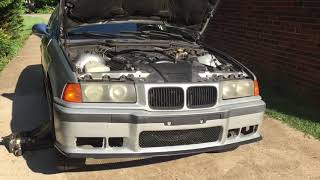
🎬 Watch this step-by-step E36 serpentine belt replacement guideWhat is the difference between an accessory belt and a timing belt?
The accessory belt (or serpentine belt) is visible on the front of the engine and runs external components like the alternator and water pump. The BMW 320i from this generation uses a timing chain, not a timing belt. The timing chain is located inside the engine and synchronizes the crankshaft and camshafts. It is not a regular service item like the accessory belt.
Helpful Videos
Technical Specifications
OEM Part Numbers: 11-28-1-437-929 11-28-1-469-266 11-28-1-703-561
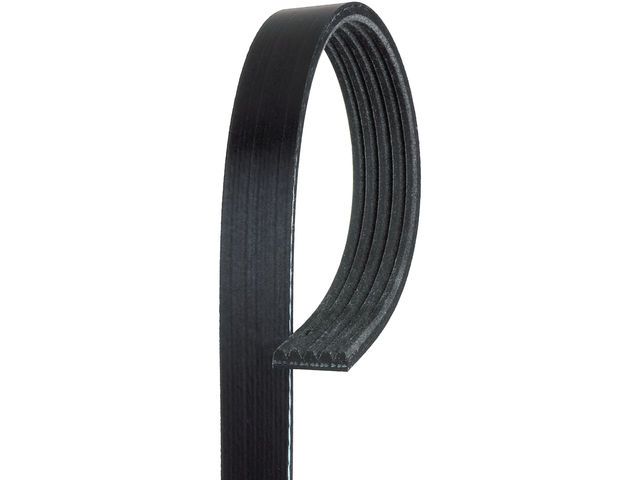
Belt Type: Serpentine (V-Ribbed) Main Belt Ribs: 6 Main Belt Length: Approx. 1550mm - 1560mm (varies by production date) Material: EPDM Rubber
We Have This Part in Stock

The information in this article is provided for general reference and educational purposes only. Vehicle specifications, procedures, and part compatibility can vary by production date, trim level, and region. Always consult your vehicle's factory service manual and verify part numbers before purchasing or performing repairs. Safety-critical components such as airbags, seat belts, and braking systems should be installed by a qualified professional.
- BMW 320i: