

A Comprehensive Guide to 1990-1998 Mazda Protege Accessory Drive Belts
Solve common squealing and wear problems by choosing the right replacement belts for your Protege.
- Your 1990-1998 Protege uses two separate V-belts, not one serpentine belt; ensure you buy the correct one for each accessory group.
- Belt squeal is a very common issue; it is often caused by incorrect tension but can also point to glazed pulleys or a worn-out belt.
- If belts fail repeatedly, investigate underlying issues like pulley alignment or a failing accessory before just installing another new belt.
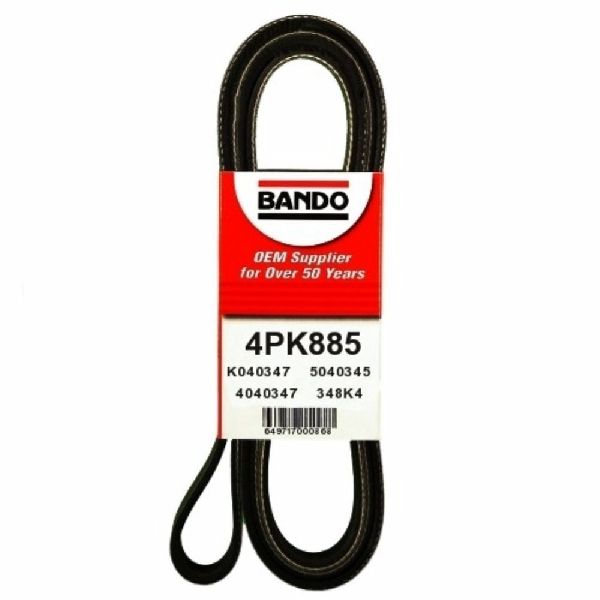
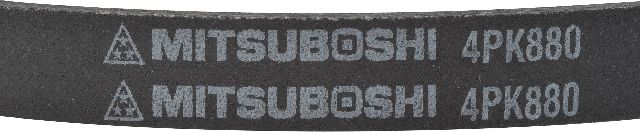
- High-quality aftermarket brands like Gates, Continental, Bando, and Mitsuboshi are excellent, reliable choices for this vehicle.
Understanding Your Protege's Two-Belt System
Many owners get confused when shopping for a "serpentine belt" for their 1990-1998 Protege. It's important to know that your car was built with a two-belt system. You will need to identify which belt needs replacing—the one for the Alternator and Water Pump, or the one for the Power Steering and A/C—and order the specific part. It is often a good practice to replace both belts at the same time, especially if you don't know their age.
Is My Drive Belt Failing? Common Symptoms
A failing drive belt on your Protege will give you clear warning signs. Addressing them early can prevent a breakdown.
- Squealing Noises: This is the most common complaint for this vehicle. A high-pitched squeal when you start the engine, accelerate, or turn on the A/C means a belt is slipping. This can be due to wear, incorrect tension, or contamination from fluids.
- Visible Damage: A simple visual check can reveal a lot. Look for cracks, fraying, glazing (a shiny surface), or missing chunks of rubber on the belts. Any of these signs indicate the belt is old and needs to be replaced.
- Accessory Failure: If your power steering becomes heavy, your A/C blows warm air, or the battery light comes on, it's a sign that the belt driving those components is failing.
- Engine Overheating: The water pump is driven by one of the accessory belts. If that belt slips or breaks, the engine can quickly overheat, which can lead to serious engine damage.
A Note on Chronic Squealing and Breakage
The 1990-1998 Protege is known for being prone to belt squeal. If you have replaced a belt and it still squeals, or if belts break repeatedly, the belt itself may not be the only problem. The issue could be incorrect tension, misaligned pulleys, a weak tensioner, or pulleys that have become smooth or "glazed" over time. Some mechanics suggest roughing up the pulley grooves with sandpaper to help the new belt grip better.
Choosing the Right Aftermarket Belts
For a vehicle of this age, high-quality aftermarket belts provide excellent performance and value. OEM parts are often unnecessary and hard to find. The key is choosing a trusted brand. Based on forum discussions and mechanic consensus, here is a breakdown of available brands:
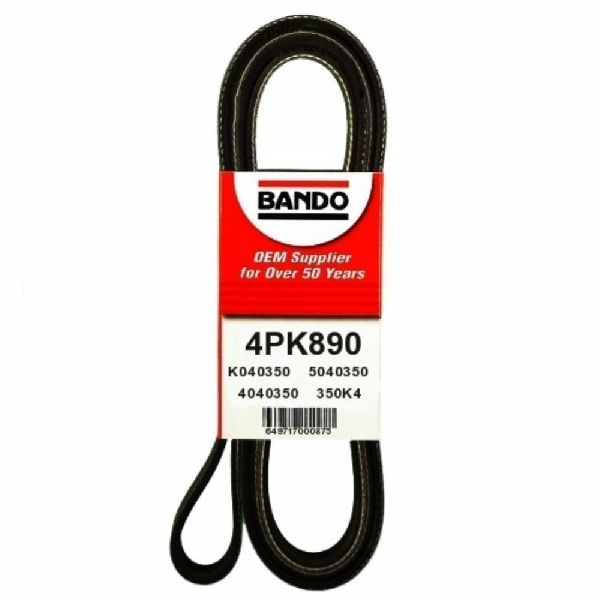
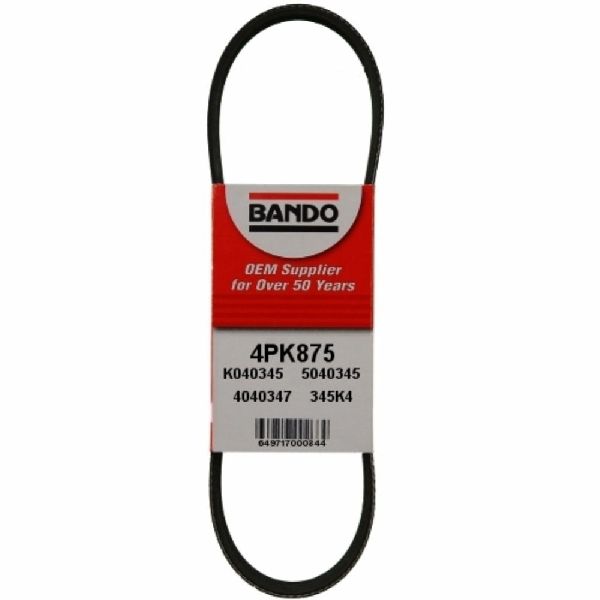
- Top Tier (Excellent Quality): Brands like Gates, Continental, Bando, and Mitsuboshi are highly regarded. Bando and Mitsuboshi are often the original equipment manufacturers for Japanese vehicles, making them a fantastic choice. Gates and Continental are trusted, top-tier aftermarket brands known for durability.
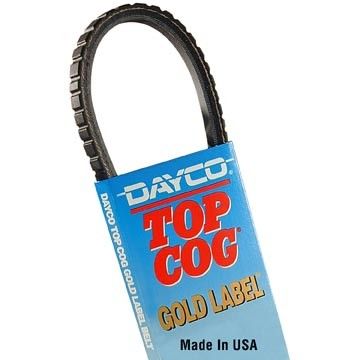
- Mid Tier (Good Quality): Dayco is a well-known brand that produces reliable belts. While some users have noted they can be stiffer or occasionally noisier than other brands, they are a solid and widely available option.
Pro Tip: When replacing your belts, take a moment to spin each pulley by hand (with the engine off and belts removed). They should spin smoothly and quietly. Any wobble, grinding, or resistance indicates a failing pulley or accessory that should be addressed to avoid damaging your new belts.
Cost of Replacing Mazda Protege Drive Belts
| Part Type | Estimated Cost |
|---|---|
| New Aftermarket Belts (Per Belt) | $7.35 - $35.90 |
| Shop Labor | $90 - $180 |
| Total Professional Replacement (Both Belts) | $105 - $250 |
Cost estimates are for reference only and may vary based on your location, the specific parts chosen, and your vehicle's condition.
Frequently Asked Questions (FAQ)
How many accessory belts does my 1990-1998 Protege have?
Your Protege has two separate accessory drive belts. One runs the alternator/water pump, and the other runs the power steering/AC. You must order the correct belt for each function.
Is replacing the drive belts a DIY job?
For an experienced DIY mechanic, yes. The job requires loosening manual tensioner bolts to remove the old belts and correctly tensioning the new ones. Access can be tight. If you are not comfortable with this process, it is best to have a professional do the work to avoid improper tension, which can cause noise or damage.
Were there any recalls for the Protege drive belts?
Searches of the NHTSA database and other public records did not show any specific recalls or major Technical Service Bulletins (TSBs) for the accessory drive belts on the 1990-1998 Mazda Protege. Chronic squealing is a widely owner-reported issue.
What's the difference between these belts and a timing belt?
The accessory drive belts are visible on the side of your engine and run external components like the alternator. The timing belt is hidden behind a plastic cover and synchronizes the engine's internal moving parts. Timing belt failure will cause catastrophic engine damage, while a broken accessory belt will disable the car but usually won't damage the engine itself if you stop immediately.
Technical Specifications
OEM Part Numbers: B6BF-18-381 Z501-15-909 Z502-15-909
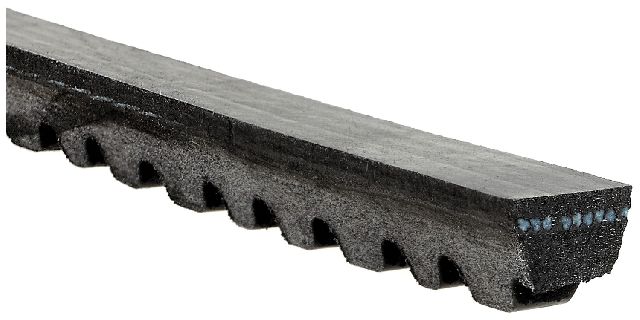
System uses two separate multi-rib (V-belts). One belt for Alternator/Water Pump. A second belt for Power Steering/Air Conditioning. Specific belt length and rib count varies by engine size (1.5L, 1.6L, 1.8L) and options (with/without A/C).
We Have This Part in Stock

The information in this article is provided for general reference and educational purposes only. Vehicle specifications, procedures, and part compatibility can vary by production date, trim level, and region. Always consult your vehicle's factory service manual and verify part numbers before purchasing or performing repairs. Safety-critical components such as airbags, seat belts, and braking systems should be installed by a qualified professional.
- Mazda Protege: