

1990-1998 Mazda Protege Radiator Coolant Hose Replacement Guide
Keep your Protege's engine from overheating with the right radiator hoses and proper maintenance.
- A failing radiator hose can cause critical engine overheating; inspect them regularly for cracks, bulges, or leaks.
- Reputable aftermarket brands like Continental, Dayco, and Gates offer quality comparable to OEM for this part at a lower cost.
- Always replace hose clamps when replacing hoses; weak clamps are a known issue on Proteges from this era.
- It is highly recommended to replace the upper hose, lower hose, and thermostat at the same time to save on future labor and coolant costs.
Signs of a Failing Radiator Hose
Radiator hoses are wear items. Made of rubber, they break down over time due to heat, pressure, and exposure to chemicals. It's important to inspect them regularly and replace them before they fail. Look for these warning signs:
- Coolant Leaks: The most obvious sign. You may see puddles of green, orange, or pink fluid under your car. You might also smell a sweet odor after driving.
- Visible Damage: Check for cracks, splits, or hardening of the rubber. Hoses should be firm but flexible.
- Bulging or Soft Spots: If a hose feels spongy, soft, or swollen, it's a sign of internal breakdown and it could burst at any time. Oil contamination can also cause hoses to swell and degrade.
- Engine Overheating: If a hose leaks enough coolant or collapses internally, your temperature gauge will climb into the red. Pull over immediately if this happens to avoid engine damage.
- Collapsed Hose: A vacuum issue in the cooling system can cause a hose (usually the lower one) to collapse, restricting coolant flow.
Known Issue: Weak Hose Clamps
A Mazda Technical Service Bulletin (TSB) for the 1999 model year, immediately following this generation, pointed to coolant leaks from the upper and lower radiator hoses due to weak clamp tension. While not specific to 1990-1998, it's a known issue on Proteges of this era. It is highly recommended to replace the old spring clamps with new, high-quality worm-gear or spring clamps whenever you replace the hoses.
Choosing the Right Aftermarket Hose
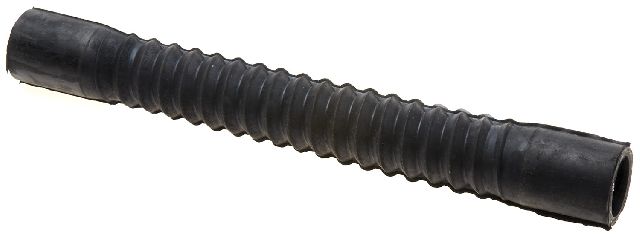
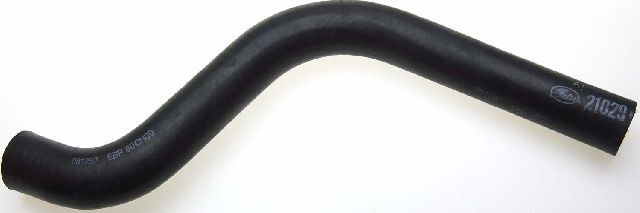
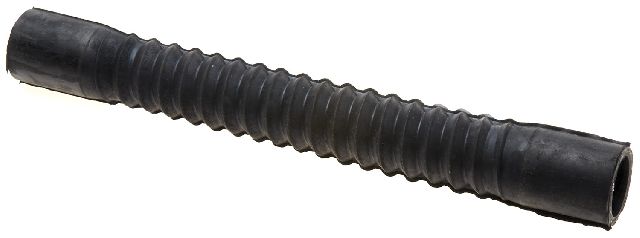
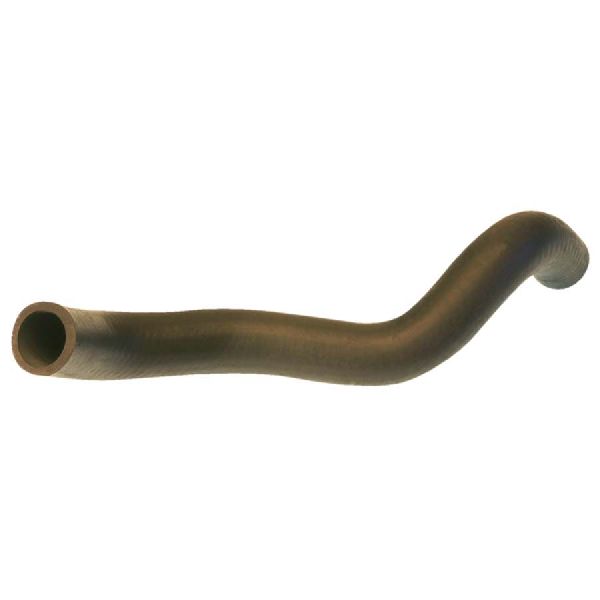
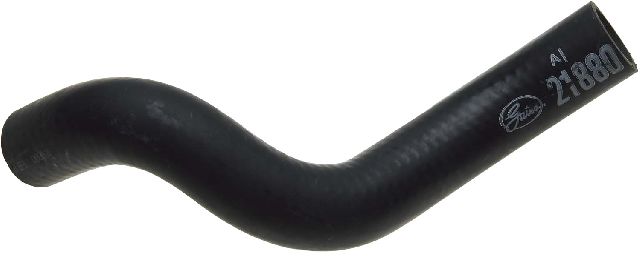
For a vehicle like the 1990-1998 Protege, you don't need to pay a premium for an OEM (Original Equipment Manufacturer) hose from the dealer. High-quality aftermarket brands offer excellent performance and durability for a fraction of the price. Brands like Continental, Dayco, and Gates are all reputable suppliers that produce reliable, pre-molded hoses designed to fit your Protege correctly. While OEM hoses guarantee a perfect fit, these aftermarket options are known for their quality and are a smart choice for this repair.
| Part Type | Estimated Cost |
|---|---|
| New Aftermarket Hoses (e.g., Continental, Dayco, Gates) | $21 - $41 (per hose) |
| New OEM Mazda Hoses | $45 - $75+ (per hose) |
| Shop Labor for Replacement | $100 - $200 |
Pro Tip: Replace in Pairs
If one of your radiator hoses has failed, the other one has been exposed to the same heat and age. It's best practice to replace both the upper and lower radiator hoses at the same time. You should also consider replacing the thermostat while the system is drained.
Frequently Asked Questions (FAQ)
Should I replace the upper and lower hoses at the same time?
Yes. Both hoses have been exposed to the same conditions and are the same age. Replacing them together is cheap insurance against having to do the job again in a few months when the second hose fails. It saves you time and the cost of another jug of coolant.
How often should I replace my radiator hoses?
As a general rule, radiator hoses should be inspected at every oil change and replaced as preventative maintenance every 5 years or 100,000 miles, even if they look okay. For an older vehicle like the 1990-1998 Protege, this is especially important.
Do I need special tools to replace a radiator hose?
No highly specialized tools are required. You'll need a drain pan, a set of pliers (spring clamp pliers are very helpful), a screwdriver, and fresh coolant. The job is very DIY-friendly for those with basic mechanical skills.
What kind of coolant does my 1990-1998 Mazda Protege need?
Your Protege requires a traditional "green" ethylene glycol-based coolant. Always check your owner's manual to be sure. When refilling, you can use a 50/50 pre-mixed solution or mix concentrated coolant with distilled water.
What is "bleeding" the cooling system and is it necessary?
After you drain and refill the coolant, air gets trapped in the system. "Bleeding" is the process of removing that air. Air pockets can cause overheating and problems with your heater. To bleed the system, let the car run with the radiator cap off and the heater on high until the engine reaches operating temperature and you see no more air bubbles coming out of the radiator neck. Then, top off the coolant and replace the cap.
Technical Specifications
OEM Part Numbers: B3C7-15-182A ZL01-15-186A FP47-15-186B ZL01-15-185A FP47-15-185B
Hoses are made from EPDM (Ethylene Propylene Diene Monomer) rubber to resist heat, pressure, and coolant chemicals. They are pre-molded to fit the specific engine layout of the 1.6L or 1.8L Protege engines.
We Have This Part in Stock

The information in this article is provided for general reference and educational purposes only. Vehicle specifications, procedures, and part compatibility can vary by production date, trim level, and region. Always consult your vehicle's factory service manual and verify part numbers before purchasing or performing repairs. Safety-critical components such as airbags, seat belts, and braking systems should be installed by a qualified professional.
- Mazda Protege: